
The delicate beauty of a camellia tea cup and plate set lies not only in its craftsmanship but in how it’s presented. These porcelain treasures, often adorned with soft floral motifs and refined glazes, are more than just serving ware—they’re heirloom-quality art pieces. When displayed thoughtfully, they can transform any room into a space of elegance and tranquility. Whether you've inherited a vintage set or recently acquired a modern interpretation, the way you showcase it influences both its visual impact and preservation. The key is balancing aesthetic appeal with practical care, ensuring your collection remains protected while becoming a focal point of your interior.
Curate a Dedicated Tea Nook
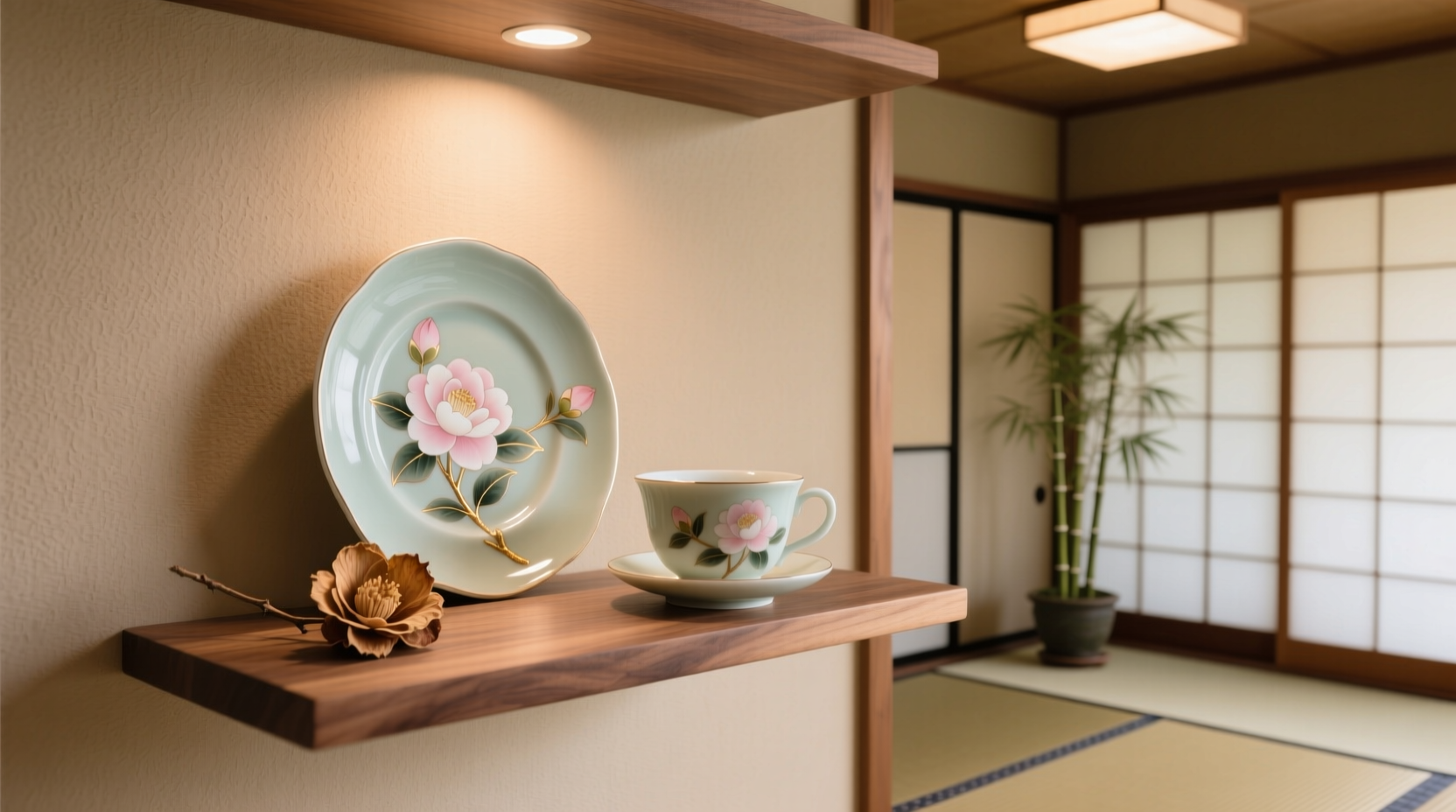
One of the most effective ways to highlight your camellia tea set is by creating a dedicated tea nook—a small, intentional space designed for brewing, sipping, and displaying. This could be a corner of your kitchen, a section of a sideboard, or even a repurposed bookshelf. The idea is to create a functional yet decorative zone where your tea set lives in harmony with complementary elements like loose-leaf tins, bamboo trays, and ceramic infusers.
Arrange the cup and saucer on a low-tiered stand or a linen-lined tray. Surround them with neutral-toned accessories to avoid visual clutter. A small potted plant, such as a dwarf bonsai or peace lily, adds life without overwhelming the scene. If space allows, include a tiny mirror behind the arrangement to reflect light and amplify the porcelain’s sheen.
Elevate with Plate Stands and Tiered Displays
Flat surfaces can make even the most exquisite tea sets appear static. Introducing dimension through plate stands, risers, or cake pedestals instantly enhances visual interest. For a camellia-patterned plate, use a clear acrylic or brass stand to let the design shine from all angles. Stack multiple tiers using glass shelves or vintage étagères to create a cascading effect that draws the eye upward.
If your set includes multiple cups or plates, consider alternating their heights. Place one cup upright on a small wooden cube, another inverted over a stemmed glass to highlight its base pattern. This method turns each piece into a sculptural element.
| Display Method | Best For | Avoid If |
|---|---|---|
| Plate Stand | Solo plate or saucer display | High-traffic areas with vibration |
| Tiered Shelf | Multiple pieces or collections | Humid environments like bathrooms |
| Hanging Plate Rack | Wall-mounted elegance | Frequent sunlight exposure |
| Open Cabinet | Dust-controlled spaces | Pets or young children nearby |
Integrate Into Existing Shelving or Bookcases
Don’t reserve your tea set for special occasions hidden in cabinets. Instead, weave it into your everyday living spaces. A well-placed cup among books, framed photographs, or travel mementos creates a narrative—a suggestion of quiet moments, reflection, and ritual. Position the set at eye level on a floating shelf, flanked by a favorite novel and a small sculpture.
For a layered look, place the saucer first, then rest the cup slightly askew on top, as if mid-use. This “in-action” styling feels inviting rather than museum-like. Use felt pads under each piece to prevent scratching and absorb minor vibrations.
“Porcelain should live in the light, not in storage. When we display our cherished objects daily, we honor their purpose.” — Lila Chen, Interior Curator & Author of *Everyday Elegance*
Create a Wall Gallery with Hanging Displays
Vertical space is often underutilized in home decor. Transforming a hallway or dining area wall into a curated gallery for your camellia tea set adds sophistication and draws attention to the intricate details of the design. Use adjustable plate hangers that secure the piece from behind, allowing the front to remain unobstructed.
Consider pairing your tea cup and plate with other Japanese-inspired elements: a calligraphy scroll, a washi paper lantern, or a minimalist ikebana vase. Maintain balance by spacing each item evenly and aligning centers at approximately 57 inches from the floor—the average eye level.
If you're hesitant about drilling holes, opt for adhesive plate hangers rated for lightweight ceramics. Test on a spare surface first, and always clean the wall thoroughly before application.
Mini Case Study: The Urban Apartment Refresh
Maria, a graphic designer in Portland, wanted to add warmth to her minimalist loft without overcrowding it. She owned a single camellia tea set gifted by her grandmother but had kept it boxed for years, fearing breakage. After reading about mindful object placement, she installed a narrow walnut ledge above her kitchen peninsula. Using a clear acrylic stand, she displayed the cup and saucer alongside a handmade soy candle and a small agate slice.
The transformation was immediate. Guests consistently commented on the display, and Maria found herself using the set more often—not just for tea, but as a daily ritual. “It stopped being fragile,” she said. “It became part of my rhythm.”
Protective Yet Stylish Storage Solutions
Even the most beautifully displayed tea sets need protection from dust, moisture, and accidental knocks. The goal is to preserve without hiding. Glass-front cabinets offer visibility and shielding—ideal for dining rooms or living areas. Line shelves with acid-free tissue or linen cloths in soft hues that complement the camellia motif.
For rotating collections, use stackable display boxes with transparent lids. These allow you to store additional pieces nearby while keeping them visible. Label each box discreetly with a handwritten tag for a personal touch.
Step-by-Step Guide: Creating a Rotating Display
- Select a primary display location—a console table, shelf, or cabinet.
- Choose one focal piece (e.g., the cup and saucer) to feature each month.
- Style with three complementary accents—a coaster, folded napkin, or seasonal flower.
- Photograph the setup to track your creative progression.
- Rotate pieces every 4–6 weeks to prevent fatigue and enjoy your full collection.
Frequently Asked Questions
Can I display my camellia tea set in direct sunlight?
Limit direct sunlight exposure. While natural light enhances visibility, prolonged UV rays can fade delicate pigments, especially in hand-painted designs. Choose north-facing walls or shaded shelves to maintain color integrity.
How do I clean the set before displaying it?
Hand-wash gently with lukewarm water and a drop of pH-neutral soap. Avoid dishwashers and abrasive cloths. Dry thoroughly with a lint-free towel before placing on display to prevent water spots or mineral residue.
Is it safe to use the tea set regularly if it's on display?
Absolutely. In fact, regular, careful use helps prevent brittleness in older porcelain. Just return it to a secure spot afterward. Treat display and function as complementary, not mutually exclusive.
Final Thoughts: Let Beauty Serve a Purpose
Your camellia tea cup and plate set deserves more than occasional use or hidden storage. With thoughtful placement, it becomes a living part of your home—one that invites pause, appreciation, and connection. Whether mounted on a wall, nestled in a bookshelf, or starring in a tea nook, let it reflect your taste and values. Display isn’t just about aesthetics; it’s an act of honoring craftsmanship, memory, and the quiet joy of ritual.




 浙公网安备
33010002000092号
浙公网安备
33010002000092号 浙B2-20120091-4
Comments
No comments yet. Why don't you start the discussion?