
For collectors, displaying prized figures isn’t just about visibility—it’s about preservation, presentation, and pride. Off-the-shelf display cases often lack customization, aesthetic appeal, or affordability. Building your own DIY display case allows you to tailor size, materials, lighting, and design to match both your space and your collection. Whether you’re showcasing anime figures, vintage action toys, or limited-edition sculptures, a well-crafted case elevates your display from cluttered shelf to curated exhibit.
Why Build Your Own Display Case?
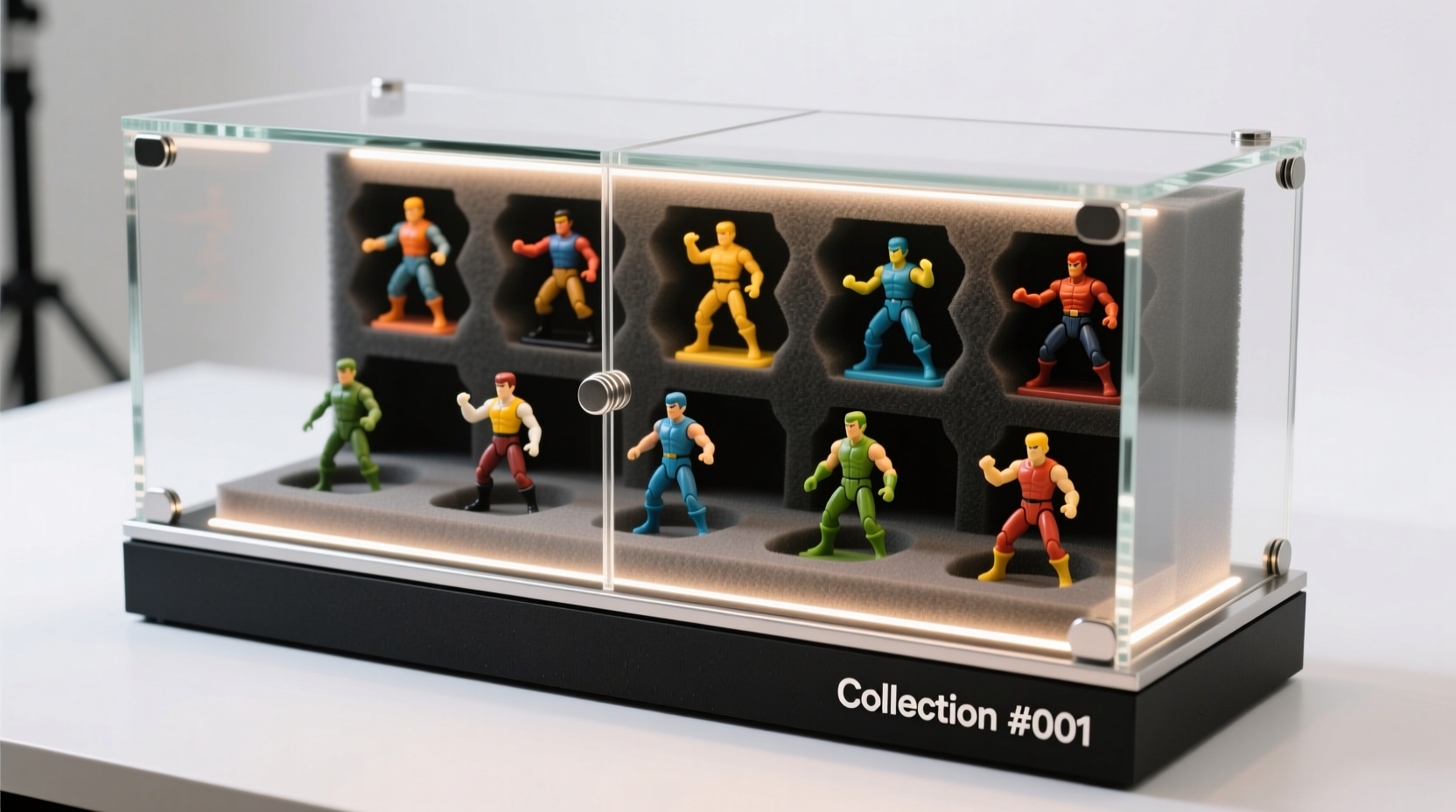
Prefabricated cases come with limitations: fixed dimensions, generic styling, and sometimes poor sealing against dust. A custom-built case solves these issues while offering long-term value. You control the materials, ventilation, access points, and even integrated lighting. More importantly, a handmade case reflects your personal taste—turning functional storage into an artistic extension of your collection.
“Custom display cases do more than protect—they frame the story behind each figure. When built with intention, they become part of the art.” — Daniel Reyes, Curator at the National Toy & Collectibles Archive
Planning Your Design: Key Considerations
Before picking up tools, define your goals. Ask: What figures will be displayed? How many? Are they prone to fading or dust accumulation? Will the case be wall-mounted, freestanding, or built into furniture? Answering these helps determine scale, structure, and materials.
Consider environmental factors too. Direct sunlight degrades plastics and paint over time. High humidity invites mold and corrosion. A sealed acrylic box with UV-filtering panels may be ideal for sensitive pieces, while open shelving suits durable items in low-traffic areas.
Step-by-Step Guide: Building a Modular Acrylic Display Case
This guide walks through constructing a sleek, modular display case using clear acrylic sheets and aluminum framing—a professional look achievable with basic tools.
- Design Layout: Sketch a simple box with front-opening door or lift-off top. Standard sizes are 18”W x 12”D x 24”H, but customize as needed.
- Gather Materials:
- ¼” clear cast acrylic (front, back, sides, top, base)
- Aluminum U-channel trim (for edges)
- Acrylic cement or solvent glue
- Small hinges and magnetic latch (if using front door)
- Felt lining for base
- LED strip lighting (optional)
- Cut Panels: Use a table saw with a fine-tooth blade or order pre-cut sheets from a local supplier. Sand edges smooth.
- Assemble Frame: Apply acrylic cement along vertical seams between side, front, and back panels. Clamp until set (30–60 minutes).
- Add Base and Top: Attach bottom panel with solvent weld. Fit top piece last; consider making it removable for easy access.
- Finish Edges: Insert panels into aluminum U-channel to protect edges and give a polished look.
- Install Door (Optional): Attach hinge to front panel and side, then add magnetic catch for secure closure.
- Line and Light: Adhere black or velvet felt to interior base. Tape LED strips along the upper inner rim for dramatic illumination.
Alternative Designs for Different Needs
Not every collector needs a sealed acrylic box. Here are three alternative approaches based on common scenarios:
| Design Type | Best For | Materials Needed | Build Time |
|---|---|---|---|
| Open Shelving Unit | Durable figures, frequent rotation | Wood planks, brackets, stain/varnish | 3–5 hours |
| Hanging Shadow Box | Wall display, limited floor space | Deep frame, glass front, mounting hardware | 2–4 hours |
| Furniture-Integrated Case | Large collections, living room display | Custom cabinet with glass doors, internal lights | 1–3 days |
The open shelving unit offers accessibility and airflow, ideal for frequently handled figures. Shadow boxes provide depth and focus, perfect for hero pieces. Furniture-integrated cases blend seamlessly into home decor—think coffee tables with glass tops or bookshelves with enclosed sections.
Essential Features to Enhance Functionality
A great display case does more than enclose. It protects, presents, and preserves. Incorporate these features for maximum impact:
- Dust Sealing: Use rubber gaskets around doors or lids to minimize particle entry.
- UV-Blocking Glass or Acrylic: Prevents color fading in painted finishes and soft plastics.
- Ventilation Options: Small passive vents with mesh filters allow air exchange without inviting dust.
- Interior Lighting: Warm-white LEDs highlight details without generating heat.
- Adjustable Shelves: Accommodate figures of varying heights within the same case.
“Lighting is the silent curator. It directs attention, creates mood, and reveals craftsmanship.” — Lila Tran, Museum Exhibit Designer
Mini Case Study: Transforming a Corner Shelf into a Collector’s Niche
Jamal, a longtime anime figure collector in Seattle, struggled with his growing assortment scattered across shelves. Dust and accidental knocks were constant concerns. He decided to convert an unused corner nook into a dedicated display zone.
Using two mirrored back panels and clear acrylic side walls, he built a triangular prism case that fit snugly into the corner. He added a soft-close hinged front door and installed dimmable LED strips controlled via smartphone. The mirrored backs doubled the visual presence of each figure, creating a gallery-like illusion. After six months, Jamal reported not only better protection but also increased enjoyment—he now spends evenings simply admiring his collection.
Checklist: Before You Start Building
Use this checklist to ensure your project runs smoothly:
- ☐ Measure all figures and plan total footprint
- ☐ Choose location and assess light/humidity levels
- ☐ Select primary material (acrylic, wood, glass, etc.)
- ☐ Decide on access method (door, removable top, open)
- ☐ Source tools: saw, clamps, drill, level, measuring tape
- ☐ Plan lighting and wiring route (if applicable)
- ☐ Confirm ventilation or sealing strategy
- ☐ Budget for finishing touches (felt, trim, fasteners)
Frequently Asked Questions
Can I build a display case without power tools?
Yes. Pre-cut acrylic sheets can be ordered online or from hardware stores. Assembly requires only solvent cement and hand pressure. For wood, use ready-made picture frames or shadow boxes modified with risers and backing.
How do I clean inside the case once it’s built?
Design for maintenance. Removable tops or front doors make cleaning easier. Use microfiber cloths and isopropyl alcohol (diluted) for acrylic; avoid ammonia-based cleaners which cause clouding.
What’s the most cost-effective material for large cases?
Plexiglass (acrylic) sheets are lighter and safer than glass, with moderate pricing. For very large builds, consider combining wood frames with acrylic panels—this reduces material costs while maintaining clarity.
Final Thoughts: Make It Yours
A DIY display case isn’t just a container—it’s a tribute to what you love. Every measurement, material choice, and detail reflects your relationship with your collection. Whether you're housing a single masterpiece or dozens of cherished figures, the right case combines form and function to honor their value.
Start small. Test ideas with repurposed furniture or temporary setups. Then refine your vision into a permanent solution. With patience and creativity, you’ll build more than a showcase—you’ll create a legacy display that future collectors might admire.




 浙公网安备
33010002000092号
浙公网安备
33010002000092号 浙B2-20120091-4
Comments
No comments yet. Why don't you start the discussion?