
Feeding time doesn’t have to be rigid or stressful. For pet owners with unpredictable schedules or dogs that benefit from portion-controlled grazing, a custom self-feeding solution offers both convenience and peace of mind. While commercial automatic feeders exist, they often lack flexibility in portion timing, design, or adaptability to unique pet behaviors. This guide walks you through designing and building a personalized dog self-feeder using accessible materials, simple mechanics, and thoughtful customization based on your dog’s specific needs.
Why Build a Custom Self-Feeder?
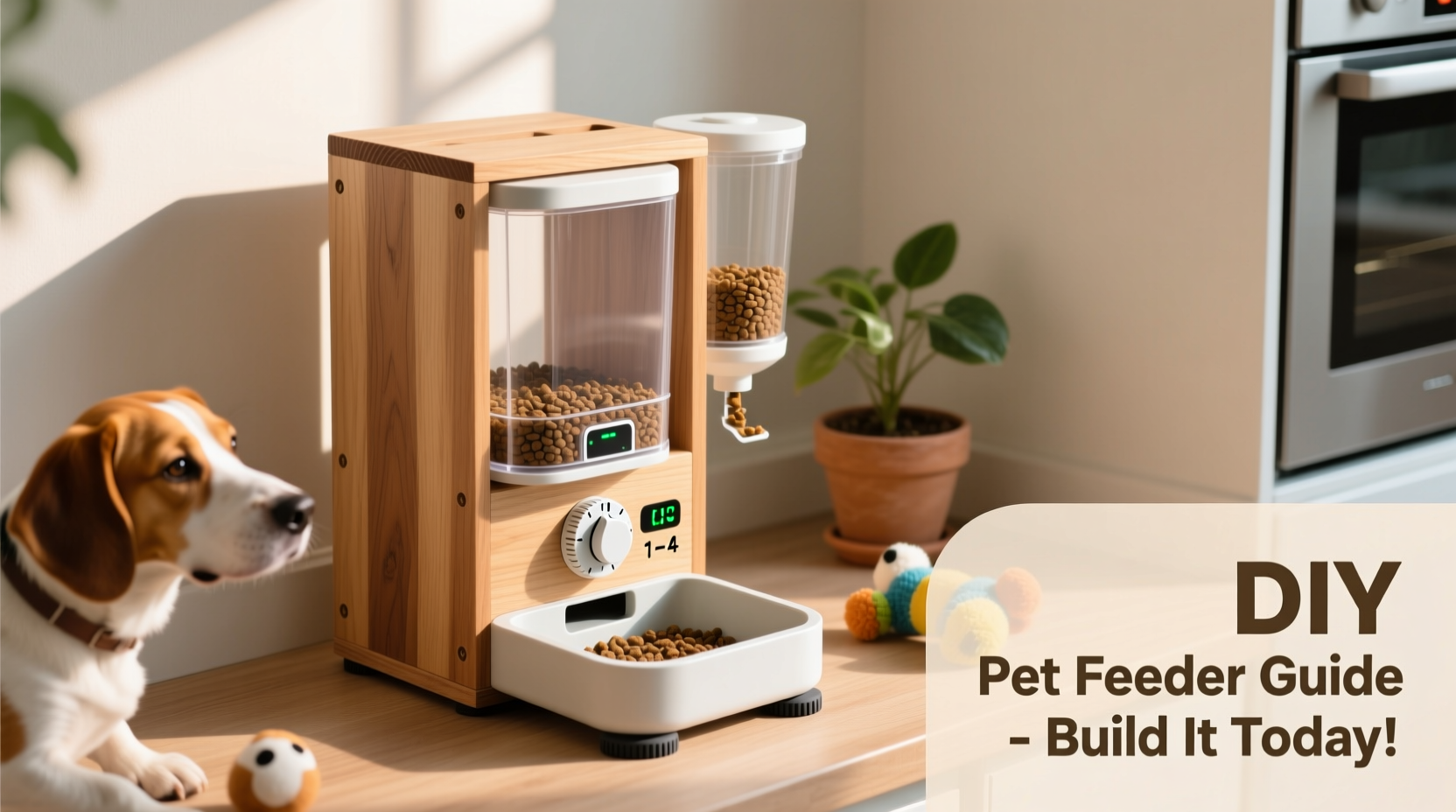
Off-the-shelf feeders may not account for breed-specific eating patterns, food sensitivity, or anxiety-related feeding issues. A DIY approach allows full control over materials, portion size, dispensing mechanism, and even integration with behavioral training. Whether your dog eats too fast, needs scheduled meals during work hours, or requires slow feeding to aid digestion, a custom-built system can address these concerns more effectively than mass-produced alternatives.
Additionally, building your own feeder promotes sustainability—repurposing household items reduces waste—and saves money over time compared to high-end electronic models.
Step-by-Step Guide to Building Your Feeder
Below is a practical, tool-light construction method suitable for beginners. The design uses gravity-based dispensing with manual or timed release options, avoiding complex electronics unless desired.
- Assess Your Dog’s Needs: Determine daily calorie intake, meal frequency, and kibble size. Small breeds may need micro-portions; large dogs require sturdier structures.
- Gather Materials: Use food-safe, non-toxic components. Recommended supplies include:
- Plastic storage bin (5–10 liter capacity)
- PVC pipe or cardboard tube (diameter slightly larger than kibble)
- Wooden base or plastic tray
- Hinges, screws, or Velcro strips
- Timer mechanism (optional: egg timer, pulley weight system)
- Design the Hopper: Cut the bottom off the storage bin and attach it upside-down above the feeding tray. This forms the food reservoir. Seal edges with non-toxic silicone to prevent leaks.
- Create the Dispensing Chute: Insert the PVC pipe vertically from the hopper base to just above the tray. Angle it slightly to encourage flow. Secure with brackets.
- Add a Release Mechanism: For timed feeding, install a sliding gate at the chute’s base. Attach it to a string connected to a weighted timer or alarm-triggered lever. Alternatively, use a manually operated door opened by owner or pet (with training).
- Test and Adjust: Load with kibble and simulate release. Monitor flow rate and adjust chute angle or gate size as needed.
Safety First: Material and Structural Checks
Avoid materials that degrade when exposed to moisture or chewed easily. Ensure all moving parts are pinch-free and out of reach of curious paws. If integrating weights or springs, enclose them securely.
| Component | Recommended Material | Avoid |
|---|---|---|
| Hopper | Food-grade plastic bin | Cardboard, thin metal |
| Chute | PVC pipe (smooth interior) | Rough wood, fabric tubes |
| Base | Acrylic sheet or sealed wood | Unsealed particle board |
| Release Mechanism | Wooden slide + rope pulley | Sharp springs, elastic bands |
Customization Based on Pet Behavior
No two dogs eat alike. A successful self-feeder adapts to individual temperament and health requirements.
- Fast Eaters: Integrate a maze insert inside the tray to slow consumption and reduce bloating risk.
- Anxious Dogs: Keep the feeder in a quiet corner. Add a familiar-smelling cloth nearby to ease stress.
- Dogs with Arthritis: Elevate the tray to shoulder height to reduce neck strain.
- Multidog Households: Design separate access points or use RFID-enabled gates (advanced option) that open only for the correct collar tag.
“Dogs thrive on routine, but their physical and emotional needs vary widely. A feeder should support—not disrupt—their natural rhythm.” — Dr. Lena Patel, Veterinary Ethologist
Mini Case Study: Helping Max, the Rescue Beagle
Max, a 4-year-old rescue beagle, exhibited food aggression and rapid eating after years in an overcrowded shelter. His owner, Sarah, built a low-tech self-feeder with a timed wooden gate releasing one cup every six hours. She placed it in a soundproofed nook away from foot traffic and added a treat-dispensing ball nearby to redirect focus. Within two weeks, Max’s gulping decreased by 70%, and he began waiting calmly instead of guarding the bowl. The system gave Sarah flexibility during long shifts while supporting Max’s behavioral recovery.
Tips for Long-Term Success
- Refill food during consistent daylight hours to reinforce circadian feeding cues.
- Use dry kibble only—wet or fresh food spoils quickly without refrigeration.
- Monitor weight monthly; adjust portions if your dog gains or loses unexpectedly.
- Never rely solely on automation. Maintain hands-on feeding at least once a week to strengthen bonding.
Frequently Asked Questions
Can I use this for puppies?
Yes, but with caution. Puppies need frequent, monitored meals and social interaction during feeding. A self-feeder should supplement—not replace—direct care. Adjust portion sizes frequently as growth rates vary.
What if my dog tries to chew the feeder?
Choose chew-resistant materials like thick acrylic or HDPE plastic. Position the unit against a wall or inside a crate-style enclosure. Offer durable chew toys nearby to redirect attention.
Is a DIY feeder safe during power outages?
Unlike electric models, most mechanical DIY feeders operate independently of electricity. Weight-based timers or manual releases continue functioning without power, making them reliable during emergencies.
Checklist: Building Your Feeder in One Afternoon
- Measure your dog’s kibble size and daily portion
- Select and clean all materials
- Assemble hopper and chute, ensuring smooth kibble flow
- Install secure release mechanism
- Place on stable, level surface
- Test with 1/4 portion before full loading
- Observe your dog’s first interaction closely
- Schedule weekly cleaning and inspection
Final Thoughts
A custom dog self-feeder isn’t about replacing human involvement—it’s about enhancing care through thoughtful design. When built with your pet’s instincts, health, and comfort in mind, this simple device becomes more than a convenience. It becomes a tool for consistency, safety, and deeper understanding of your dog’s unique needs.
Start small. Test one feature at a time. Refine based on real-world use. Your dog may surprise you with how quickly they adapt—not just to the machine, but to the calm, predictable rhythm it brings to their day.




 浙公网安备
33010002000092号
浙公网安备
33010002000092号 浙B2-20120091-4
Comments
No comments yet. Why don't you start the discussion?