
A climbing rope keychain is more than just a functional tool—it’s a reflection of who you are as an adventurer, climber, or outdoor enthusiast. Originally designed from repurposed climbing gear for durability and grip, these keychains have evolved into stylish accessories that blend rugged utility with personal flair. With a little creativity and some simple materials, you can transform a basic rope loop into a one-of-a-kind piece that speaks to your journey, values, and aesthetic.
Whether you’re crafting one for yourself or gifting it to a fellow climber, personalization adds emotional value and makes the item truly meaningful. From engraved tags to woven patterns and functional add-ons, the possibilities are limited only by imagination.
Selecting the Right Rope and Base Components
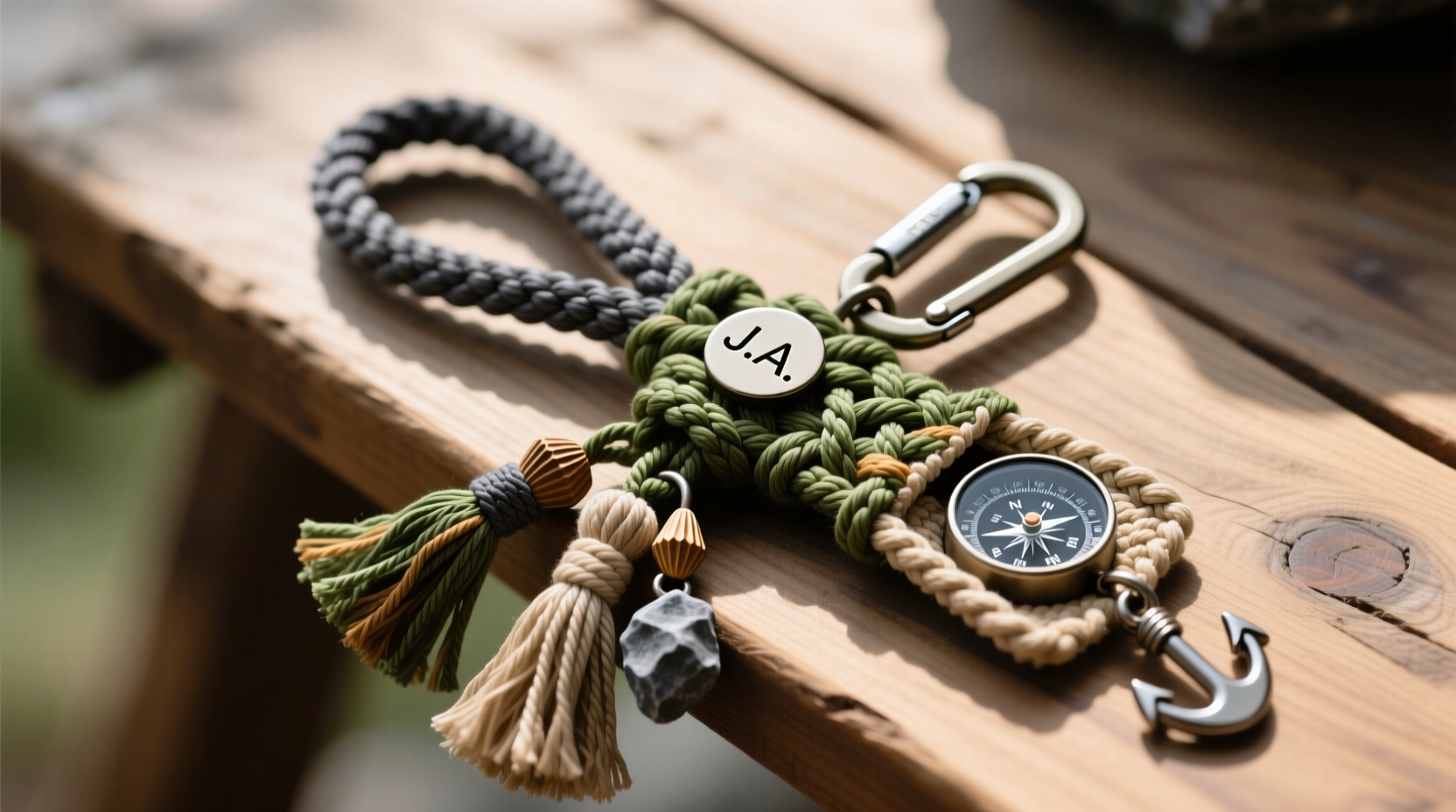
The foundation of any personalized keychain begins with quality materials. Most climbing ropes used for keychains are retired kernmantle ropes—durable, flexible, and available in a range of colors. Even if you don’t have access to old climbing gear, paracord or marine-grade nylon rope works well and is widely accessible.
When choosing rope, consider:
- Diameter: 7–10mm is ideal—thick enough to hold shape but not too bulky.
- Color: Pick hues that represent your favorite climbing spot, team, or personal style.
- Texture: Smooth ropes are easier to work with; textured ones offer better grip.
Pair your rope with sturdy metal components: a heavy-duty carabiner, split ring, or keyring clasp rated for load-bearing use. These ensure longevity and reflect the authentic climbing spirit.
Step-by-Step Guide: Crafting Your Base Keychain
Before adding personal touches, build a solid base. This foundational loop will support all future customizations.
- Cut a 12-inch length of climbing rope. Longer pieces allow for braiding; shorter ones suit minimalist loops.
- Fold the rope in half and pass the looped end through your keyring or carabiner.
- Pull both loose ends through the loop to create a secure lark’s head knot.
- Tighten evenly and trim excess, sealing the ends as needed.
This simple knot is strong, symmetrical, and serves as a canvas for further detailing. Once complete, test the strength by tugging firmly—your keychain should hold without slipping.
Stylish Personalization Techniques
Now comes the fun part: making it uniquely yours. Below are five creative methods to elevate your keychain from functional to expressive.
1. Colorful Braided Patterns
Weave multiple rope strands together using a three-strand braid or diamond knot. Combine contrasting colors—like red and black for a bold look, or blues and greens to mirror mountain lakes. For advanced crafters, try a cobra weave around a central core for added texture.
2. Engraved Metal Tags
Add a small aluminum or stainless steel tag engraved with initials, coordinates of your first climb, or a motivational word like “Ascend” or “Breathe.” These tags attach via a split ring and develop a worn patina over time, telling a story of use and adventure.
3. Beads and Spacers
Incorporate wooden, ceramic, or recycled glass beads between knots. Choose beads shaped like mountains, compasses, or even tiny climbing shoes. Position them strategically to break up the rope visually and add tactile interest.
4. Burnished Designs
Using a fine-tipped soldering iron or wood-burning tool, etch geometric patterns, names, or trail maps directly onto the rope surface. Work slowly on a non-flammable surface and ventilate the area. The result is a permanently marked design that resists fading.
5. Integrated Tools
For maximum functionality, embed a micro-tool. Slide a miniature flathead screwdriver, bottle opener, or even a fire starter rod into the loop before finalizing the knot. Ensure sharp edges are smoothed and tools are securely held.
“Personalization turns gear into legacy. A well-crafted keychain isn’t just carried—it’s remembered.” — Lena Torres, Outdoor Gear Designer & Climbing Instructor
Functional Upgrades That Add Real Value
While aesthetics matter, integrating utility ensures your keychain earns its place on your belt loop or backpack. Consider these upgrades:
| Feature | Benefit | Implementation Tip |
|---|---|---|
| Whistle attachment | Emergency signaling | Use a rescue whistle with pea-less design to avoid moisture issues |
| Glow-in-the-dark thread | Visibility at night | Weave luminous fiber into one strand of the braid |
| Mini compass | Orientation aid | Embed in a hollow bead or attach via micro-carabiner |
| Fireproof cord segment | Survival use | Replace one braid strand with kevlar thread |
Mini Case Study: Sarah’s Memorial Keychain
Sarah, a Colorado-based climber, lost her mentor during a backcountry ascent. Wanting to honor his memory, she crafted a keychain using a section of his retired climbing rope. She braided it with silver thread representing the alpine glow at sunrise—the time they always began their climbs.
She added a small engraved tag with his nickname, “Ridge,” and latitude/longitude of their favorite summit. Inside the loop, she tucked a folded micro-print of his favorite quote: “The mountain doesn’t care how strong you are. It cares how present.”
This keychain became more than a tool—it was a daily reminder of resilience, presence, and connection. Fellow climbers began requesting similar builds, turning her grief into a small craft initiative supporting climbing safety education.
Checklist: Build Your Personalized Keychain in 7 Steps
Follow this actionable checklist to create a standout piece:
- ☐ Choose a durable, appropriately sized rope segment
- ☐ Select a reliable keyring or carabiner
- ☐ Decide on a base knot (lark’s head, double fisherman’s, etc.)
- ☐ Plan your color scheme or braid pattern
- ☐ Gather personalization elements (tags, beads, tools)
- ☐ Assemble and secure all components with tested knots
- ☐ Test strength and usability before regular use
Common Mistakes to Avoid
Even experienced crafters can misstep. Here’s what not to do:
| Do | Don’t |
|---|---|
| Use UV-resistant rope if carried outdoors frequently | Use cotton rope—it weakens when wet |
| Test knots under tension before trusting them | Assume all adhesives will hold long-term |
| Keep designs balanced so the keychain hangs straight | Overload with heavy charms that strain the rope |
| Carry a spare knot-tying guide in your pack | Forget to inspect for wear monthly |
FAQ
Can I wash my climbing rope keychain?
Yes, but gently. Hand-wash with mild soap and lukewarm water. Avoid machine washing or harsh detergents, which can degrade fibers. Air dry completely before reuse.
How long should my rope keychain last?
A well-maintained keychain made from climbing-grade rope can last 3–5 years with daily use. Inspect regularly for fraying, discoloration, or weakened knots, especially if exposed to sun, moisture, or abrasion.
Is it safe to use actual climbing rope scraps?
Only if the rope has been retired from service and wasn’t involved in a major fall. Never compromise safety—personal items shouldn’t deplete your active climbing gear stock.
Final Thoughts: Craft Meaning Into Every Detail
Your climbing rope keychain doesn’t need to be flashy to be powerful. Sometimes, the most impactful designs are subtle—a single knot tied in memory, a quiet engraving, or the familiar feel of a rope that once scaled a cliff face. By blending personal meaning with thoughtful craftsmanship, you create more than an accessory. You create a talisman of your journey.
Every climber carries stories. Let your keychain tell one of them.




 浙公网安备
33010002000092号
浙公网安备
33010002000092号 浙B2-20120091-4
Comments
No comments yet. Why don't you start the discussion?