
Creating a bag by hand is more than a craft—it’s an act of intention. Whether you're looking to express your personal style, reduce reliance on mass-produced accessories, or build something that lasts for years, making your own bag offers both creative satisfaction and practical value. With the right materials, techniques, and attention to detail, you can produce a piece that rivals high-end brands in both durability and aesthetic appeal. This guide walks through every phase of designing and constructing a custom bag, from concept to completion.
Selecting the Right Materials for Longevity and Style
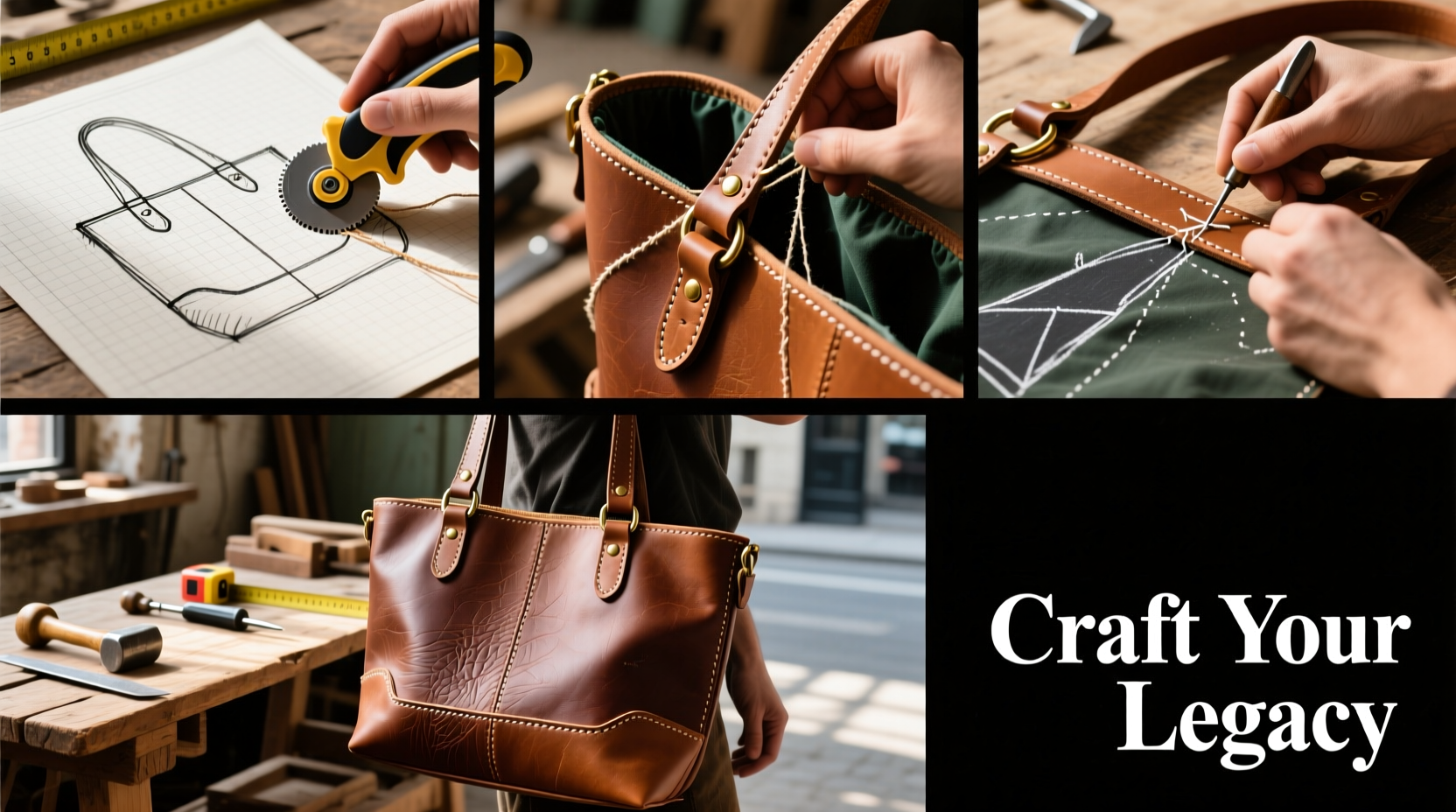
The foundation of any durable bag lies in its materials. Choosing fabrics, linings, and hardware that balance strength, weight, and appearance ensures your creation stands up to daily use without sacrificing elegance.
Cotton canvas and waxed cotton are excellent for casual, structured bags. They resist abrasion and develop a handsome patina over time. For a premium look and feel, full-grain leather is unmatched in durability and aging characteristics. Avoid bonded leather or synthetic laminates if longevity is a priority—they peel and crack under stress.
For interiors, opt for tightly woven polyester or cotton lining with a subtle sheen. These resist tearing and hide dirt better than plain muslin. Reinforcement is key: use interfacing or stabilizer fabric on straps, bottom panels, and closure areas to prevent sagging and stretching.
Design Planning: Sketch, Measure, and Prototype
Before cutting any material, sketch your design with clear dimensions. Consider functionality: Will it carry a laptop? Fit under a train seat? Hold keys, wallet, and phone within easy reach? Define compartments early—internal pockets, zipper slots, and slip sleeves should be integrated into the layout.
Create a paper prototype using newspaper or kraft paper at full size. Tape or pin the pieces together and test the shape, strap length, and opening width. Adjust until the silhouette feels balanced and practical. This mock-up stage saves time and materials later.
“Good bag design balances form and function. A beautiful silhouette means little if the interior doesn’t serve real needs.” — Lena Torres, Industrial Designer & Bagmaker
Step-by-Step Construction Process
- Prepare your pattern: Transfer your final paper template to fabric, marking grain lines and seam allowances (typically ½ inch).
- Cut all pieces: Include outer shell, lining, pocket components, and reinforcement layers. Label each piece to avoid confusion.
- Sew internal pockets: Attach zippered or slip pockets to the lining before assembling the full bag.
- Construct the exterior: Sew main panels, reinforce stress points with bartacks or double stitching. Attach handles or straps securely with box stitches.
- Join lining and exterior: Place them wrong-sides together, sew around the top edge, then turn right-side out through a small opening in the lining.
- Finish closures: Install zippers, magnetic snaps, or buckles according to manufacturer guidelines, ensuring smooth operation.
- Final press: Use a pressing cloth and medium heat to smooth seams and give a professional finish.
Hardware and Functional Details That Last
Durable bags rely on robust hardware. Choose YKK zippers for consistent performance. Opt for metal rivets or Chicago screws instead of plastic clips, especially where straps meet the body. Metal feet on the base protect fabric from moisture and abrasion when placed on rough surfaces.
Straps should be wide enough to distribute weight comfortably—minimum 1.5 inches for shoulder bags. If using leather, cut cross-grain for flexibility and strength. Fabric straps benefit from being boxed (double-layered with padding) or tubular for comfort.
| Component | Recommended Material | Avoid |
|---|---|---|
| Outer Fabric | Waxed canvas, denim, full-grain leather | Polyester blends with weak weave |
| Lining | Tight-weave cotton or polyester | Thin voile or unbacked fabric |
| Straps | Leather, nylon webbing, reinforced canvas | Elastic or loosely woven tape |
| Closure | Metal zipper, magnetic snap, buckle | Flimsy plastic clasps |
Mini Case Study: The Commuter Tote That Outlasted Three Store-Bought Versions
Sophie, a graphic designer in Portland, grew frustrated with her work tote fraying at the seams after just eight months. She decided to build her own using 12-ounce olive waxed canvas, brass hardware, and a padded laptop sleeve lined with soft microfiber. She added a hidden back pocket for her transit card and reinforced the base with a layer of stiffened canvas.
Four years later, the bag still serves daily commutes. The waxed fabric has darkened slightly and developed character, but no tears or broken zippers. “I get compliments all the time,” she says. “People assume it’s expensive, but it cost less than $50 in materials—and I know exactly how it was made.”
Checklist: Build Your Bag with Confidence
- ☑ Define purpose: everyday carry, travel, work, or fashion?
- ☑ Choose durable, appropriate materials for shell, lining, and structure
- ☑ Draft and test a full-size paper prototype
- ☑ Cut all pieces with consistent seam allowances
- ☑ Reinforce stress points: strap anchors, corners, pocket openings
- ☑ Use strong thread (e.g., Tex 40 or higher) and tight stitch length (2.5–3mm)
- ☑ Install hardware securely; test closures before final assembly
- ☑ Press seams and finish edges neatly for a polished look
Frequently Asked Questions
Can I make a durable bag without a sewing machine?
Yes, though it requires more effort. Use saddle stitch technique with two needles and waxed linen thread for seams. This hand method is actually stronger than machine stitching and common in traditional leathercraft. However, it’s time-intensive and best suited for smaller bags.
How do I waterproof my handmade bag?
If not using inherently water-resistant fabric like waxed canvas or oilskin, apply a fabric protector spray designed for outdoor gear. Reapply every few months or after deep cleaning. Avoid submerging the bag in water, even if treated.
What’s the most common mistake beginners make?
Underestimating the need for reinforcement. Many first-time makers focus on appearance but skip interfacing or double-stitching critical joints. As a result, straps detach or bottoms sag prematurely. Always reinforce high-stress zones—better safe than sorry.
Conclusion: Craft Something That Lasts—and Reflects You
Building a bag from scratch isn’t just about utility; it’s a declaration of independence from disposable fashion. Every stitch becomes part of a story—the choice of color, the curve of the handle, the quiet confidence of carrying something you made yourself. Durability isn’t an accident; it’s built through thoughtful material selection, precise construction, and respect for functional design.
Start small if needed—a simple crossbody or clutch—but commit to quality at every step. Over time, your skills will grow, and so will your collection of meaningful, long-lasting accessories. There’s no better way to combine creativity with sustainability.




 浙公网安备
33010002000092号
浙公网安备
33010002000092号 浙B2-20120091-4
Comments
No comments yet. Why don't you start the discussion?