
Watches are more than timekeeping tools—they’re personal statements, heirlooms, and investments. Protecting them begins with proper storage. While commercial watch boxes can be expensive and generic, crafting your own watch pads offers a personalized, cost-effective, and sustainable solution. With basic household materials and a bit of creativity, you can design custom watch pads that combine elegance with functionality, ensuring each piece is cradled securely and displayed beautifully.
Why Handmade Watch Pads Are Worth the Effort
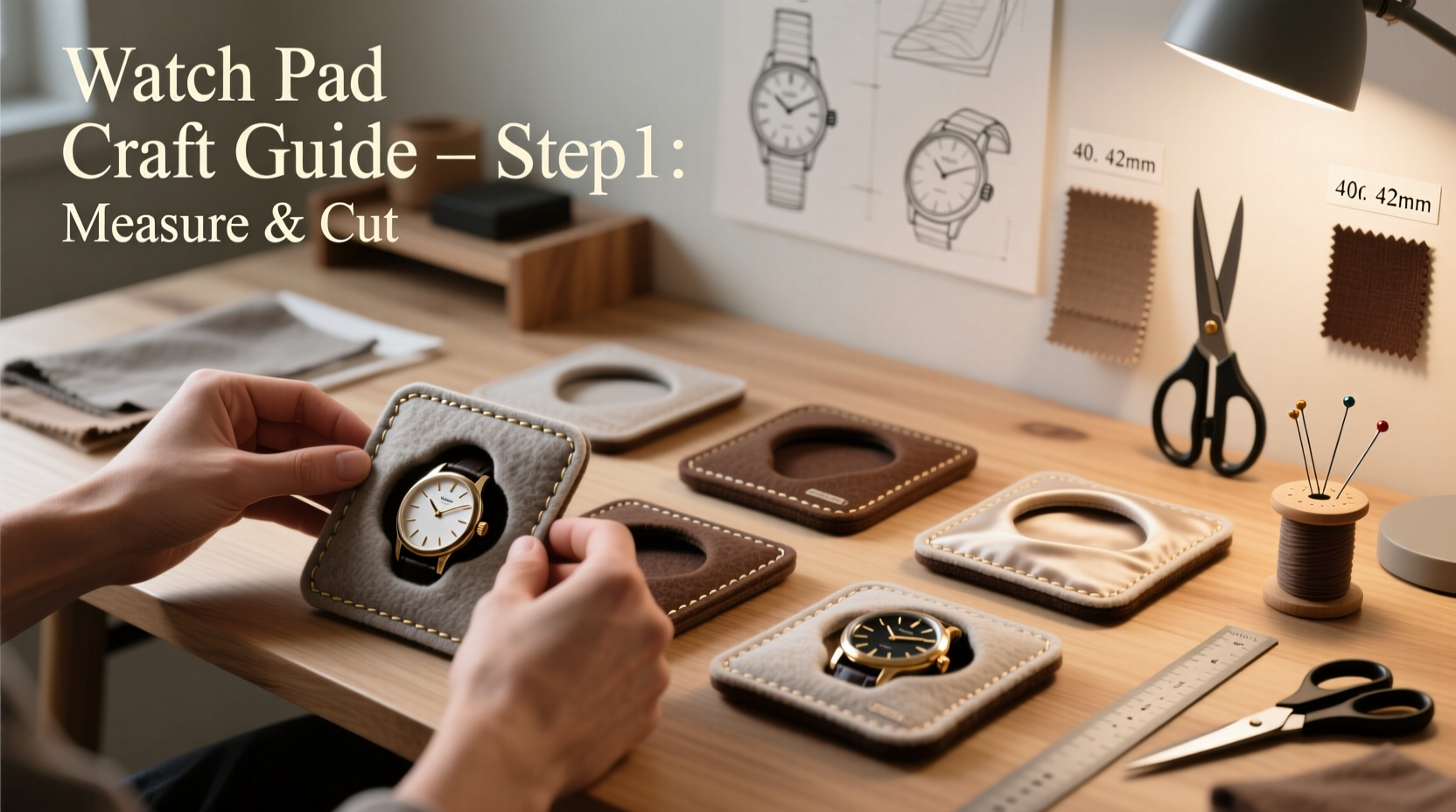
Pre-made watch rolls or cases often lack customization and may use synthetic padding that doesn’t properly cushion delicate timepieces. Homemade watch pads allow full control over materials, size, shape, and aesthetics. Whether you have a vintage mechanical chronograph or a modern smartwatch, a well-crafted pad keeps the strap supple, prevents scratches, and maintains alignment.
Additionally, DIY watch pads reduce reliance on mass-produced accessories, aligning with eco-conscious living. They also make thoughtful gifts for fellow watch enthusiasts.
“Personalized storage reflects respect for craftsmanship—both in the watch and its care.” — Julian Hart, Horology Curator at The Timepiece Archive
Materials You’ll Need: Affordable and Accessible Options
The beauty of homemade watch pads lies in their simplicity. Most required items can be found at home or purchased inexpensively from craft stores.
| Material | Purpose | Recommended Alternatives |
|---|---|---|
| Felt (wool or acrylic) | Base padding and surface protection | Fleece, velvet, or cotton batting |
| Foam sheet or craft cushion | Core cushioning layer | Mouse pad, yoga mat scrap, or upholstery foam |
| Fabric glue or hot glue gun | Bonding layers securely | E6000 adhesive for flexible hold |
| Sewing needle & thread (optional) | Reinforcing edges | Embroidery floss for decorative stitching |
| Ruler, scissors, pencil | Measuring and cutting precision | Rotary cutter and cutting mat for clean lines |
Step-by-Step Guide to Crafting Your Watch Pad
Follow this detailed process to create a snug, supportive, and visually appealing watch pad tailored to your collection.
- Measure Your Watch: Lay your watch flat and measure the case diameter and strap width. Add 1 inch (2.5 cm) to both dimensions to allow space for wrapping or laying flat.
- Cut the Foam Core: Using scissors or a utility knife, cut a rectangular or oval foam piece based on your measurements. This forms the main cushion.
- Add Padding Layer: Wrap the foam with a thin layer of cotton batting or extra felt for softness. Secure with spray adhesive or pins.
- Create the Outer Cover: Cut two pieces of decorative fabric slightly larger than the padded core. Place the core between them.
- Secure the Layers: Use fabric glue along the edges, folding the fabric inward neatly. For durability, stitch around the perimeter with a whipstitch or topstitch.
- Optional: Add a Divider or Strap Holder: Sew a small loop of elastic or ribbon on one side to gently hold the watch band in place and prevent shifting.
- Let It Dry and Test Fit: Allow glued areas to cure fully. Place your watch on the pad to ensure it rests comfortably without overhang.
For Multiple-Watch Storage: Expand Into a Roll or Box Insert
If you own several watches, consider scaling the design into a roll-up sleeve or custom drawer insert. Cut multiple pad compartments into a long felt base, spacing them evenly. When rolled, secure with a leather tie or button closure. Alternatively, fit individual pads into a wooden box or repurposed jewelry tray for a boutique-style display.
Design Inspirations for Stylish Customization
Your watch pad doesn’t have to be utilitarian. Infuse personality through color, texture, and detailing.
- Color Coordination: Match the pad fabric to your wardrobe or watch strap colors—navy for dive watches, burgundy for dress models.
- Embellishments: Add monograms using iron-on letters or hand embroidery near the edge.
- Themed Designs: Create seasonal pads—linen for summer, quilted velvet for winter.
- Functional Aesthetics: Use water-resistant fabric for outdoor or sports watch storage.
Mini Case Study: Sarah’s Heirloom Watch Preservation Project
Sarah inherited her grandfather’s 1957 Hamilton Ventura and wanted to preserve it without buying a $200 display case. She used a repurposed memory foam camping pad, wrapping it in deep green wool felt from a thrifted coat. After sewing a herringbone-stitched border, she added a tiny brass plaque engraved with the year. The result was a museum-quality pad that protected the watch and honored its history—all for under $15 in materials.
“It sits on my dresser now like a piece of art,” Sarah says. “Every time I see it, I remember his stories about wearing it to jazz clubs.”
Common Mistakes to Avoid
Even simple projects can go wrong if key details are overlooked. Steer clear of these pitfalls:
- Using rigid foam that doesn’t conform to the watch shape, increasing pressure points.
- Skipping seam sealing, leading to fraying over time.
- Choosing dark fabrics that may bleed onto light-colored straps.
- Over-gluing, which can cause warping or visible residue.
“Soft support is silent maintenance. A good pad does its job by doing nothing—no movement, no friction, just quiet preservation.” — Rafael Mendez, Watchmaker & Restoration Specialist
FAQ: Your Watch Pad Questions Answered
Can I wash a handmade watch pad?
Spot clean only. Submerging the pad can break down adhesives and warp foam. Use a damp cloth with mild soap for surface stains, then air dry completely before reuse.
How long do DIY watch pads last?
With quality materials and moderate use, expect 3–5 years. Replace if the foam loses resilience or the fabric shows wear. Keep spares on hand for rotation.
Are these safe for automatic watches?
Yes. Unlike watch winders, static pads don’t interfere with mechanics. They simply protect the exterior. For winding needs, pair the pad with a separate winder unit.
Checklist: Build Your First Watch Pad in One Evening
- ☐ Gather materials: foam, fabric, glue, scissors
- ☐ Measure your watch case and strap
- ☐ Cut foam and padding to size
- ☐ Wrap and secure cushion layers
- ☐ Cut outer fabric with ½-inch seam allowance
- ☐ Assemble and glue or sew layers together
- ☐ Add strap holder or label (optional)
- ☐ Test fit your watch and adjust if needed
Conclusion: Elevate Your Watch Care with Personal Craftsmanship
Making your own watch pads transforms routine storage into an act of appreciation. Each pad becomes a tribute to the design, history, and emotion tied to your timepieces. Beyond protection, these handmade solutions bring order, beauty, and intentionality to your daily ritual.




 浙公网安备
33010002000092号
浙公网安备
33010002000092号 浙B2-20120091-4
Comments
No comments yet. Why don't you start the discussion?