
Cats are natural climbers, scratchers, and observers. Their instinct to perch high, hide in snug spaces, and sharpen their claws makes a well-designed cat tree more than just furniture—it’s essential enrichment. While store-bought models offer convenience, they often lack personalization, durability, or space efficiency. Building a custom cat tree house allows you to tailor every level, texture, and feature to your cat’s habits and your home’s aesthetic. With thoughtful planning and basic tools, you can create a safe, stimulating, and stylish feline playground that will be used for years.
Understanding Your Cat’s Natural Behavior
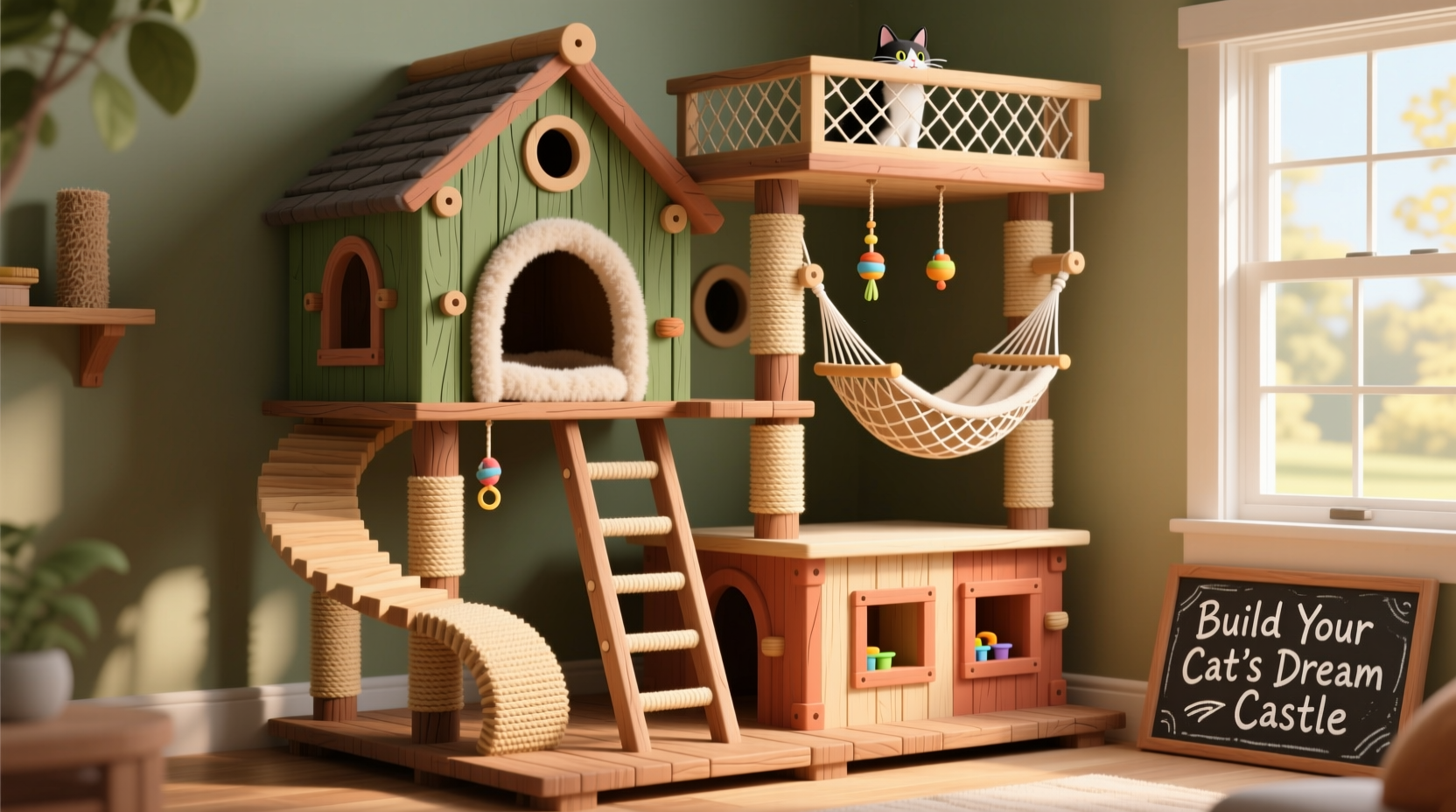
Before picking up a drill or measuring wood, observe how your cat interacts with its environment. Does it prefer elevated lookouts? Is it drawn to enclosed spaces for napping? Does it scratch vertically or horizontally? These behaviors inform the design of your cat tree. A successful build aligns with feline instincts: vertical territory for security, scratching surfaces for claw maintenance, cozy hideaways for rest, and interactive elements for mental stimulation.
A multi-level structure with varied platforms encourages climbing and exercise, reducing the risk of obesity and boredom-related behaviors like over-grooming or destructive scratching. Incorporating sisal-wrapped posts satisfies scratching urges while protecting your furniture. Elevated perches near windows allow cats to bird-watch—a favorite pastime that doubles as mental enrichment.
“Cats thrive in environments where they can control their surroundings. A thoughtfully designed cat tree gives them autonomy, safety, and sensory engagement.” — Dr. Lena Torres, Feline Behavior Specialist
Step-by-Step Guide to Building Your Custom Cat Tree
Building a cat tree doesn’t require advanced carpentry skills. With common tools and materials, you can assemble a durable, attractive structure in a weekend. Follow this timeline to ensure a smooth process:
- Day 1 (Planning & Materials): Sketch your design, measure available space, and purchase materials.
- Day 2 (Frame Assembly): Cut and secure wooden base and support beams.
- Day 3 (Platform Installation): Attach shelves, perches, and ramps using screws and brackets.
- Day 4 (Wrapping & Texturing): Wrap posts with sisal rope and cover platforms with carpet or faux fur.
- Day 5 (Finishing Touches): Add toys, hammocks, or tunnels; inspect stability.
Materials You’ll Need
- Wooden boards (pine or plywood, sanded smooth)
- Sisal rope (50–100 ft depending on post count)
- Carpet remnants or pet-safe fabric
- Wood screws, brackets, and wood glue
- Sturdy base board (at least 24” x 24” for stability)
- Non-toxic wood stain or sealant (optional)
- Scissors, staple gun, drill, measuring tape
Design Considerations for Safety and Functionality
A cat tree must be stable, non-toxic, and escape-proof. Wobbling structures frighten cats and pose tipping hazards, especially when jumped on. Anchor larger trees to the wall using L-brackets for added security. Avoid gluing sisal loosely—always wrap tightly and staple at both ends to prevent unraveling.
Height should match your ceiling clearance and your cat’s agility. For older or less active cats, include low-access ramps or steps. Multi-cat households benefit from multiple entry points and independent resting zones to reduce territorial stress.
| Feature | Do | Don't |
|---|---|---|
| Base Size | Use a wide, heavy base (minimum 2 sq ft) | Build on a narrow platform that can tip |
| Scratching Posts | Wrap securely with natural sisal rope | Use thin fabric or loosely attached material |
| Platforms | Cover with non-slip carpet or fabric | Leave bare wood or glossy finishes |
| Assembly | Screw components; use wood glue for reinforcement | Rely solely on staples or weak adhesives |
Real Example: The Urban Apartment Cat Tower
In a small Brooklyn apartment, Sarah built a floor-to-ceiling cat tree for her two rescue cats, Milo and Luna. With only 500 square feet of space, she needed a compact yet functional design. She repurposed leftover pine boards and secured a vertical frame between the wall and corner. Three staggered platforms were added at different heights, each covered in gray anti-slip carpet. A sisal-wrapped central pole ran from base to top, doubling as a climbing anchor. A suspended hammock was installed midway for lounging, and a fleece-lined cubby was mounted near the top for privacy.
The result? Milo, the senior cat, uses the lower levels and hammock daily, while Luna, the energetic younger cat, leaps from shelf to shelf and watches street life from the highest perch. The tree occupies just 2 square feet of floor space but offers over 6 feet of vertical activity. Sarah anchored the unit to drywall studs using metal brackets, ensuring no movement during play.
Customization Ideas to Enhance Play Value
Once the core structure is complete, personalize your cat tree to boost engagement. Rotate accessories monthly to maintain novelty—cats enjoy environmental changes even in small doses.
- Add dangling toys made from jute or crinkle paper on spring arms.
- Incorporate a hanging ball track or bell toy inside a cubby.
- Install a replaceable cardboard scratch panel on one side.
- Use pheromone-infused fabric on resting pads to promote relaxation.
- Paint the base with chalkboard paint so you can rotate drawings or messages.
Frequently Asked Questions
How tall can I make a cat tree safely?
For most homes, a height of 5 to 7 feet is ideal. Beyond that, ensure the structure is anchored to the wall and has a broad, weighted base. Cats typically feel secure at heights where they can survey their domain without feeling exposed.
Can I use old carpet from my home renovation?
Only if it’s free from mold, odors, and loose fibers. Avoid synthetic shag or shedding materials. Opt for low-pile, non-slip carpet secured tightly with a staple gun. Always test for off-gassing in a ventilated area first.
How do I clean a homemade cat tree?
Vacuum weekly to remove hair and debris. Spot-clean fabric with a pet-safe enzyme cleaner. Replace sisal wraps every 12–18 months or when frayed. Remove cushions or hammocks for machine washing if possible.
Essential Checklist Before Completion
- Confirm all screws are tightened and joints are reinforced.
- Test stability by gently shaking the structure—no wobbling allowed.
- Inspect for exposed staples, sharp edges, or loose threads.
- Verify anchoring to the wall (especially for units over 4 feet).
- Introduce the cat gradually with treats and toys placed nearby.
Conclusion: Build, Observe, Improve
A custom cat tree house isn’t just a piece of furniture—it’s an investment in your cat’s physical health and emotional well-being. By designing with purpose, building with care, and adapting based on your cat’s preferences, you create a living space that evolves with their needs. Whether you’re crafting a minimalist tower for a studio apartment or a sprawling jungle gym for a multi-cat household, the process fosters a deeper understanding of your pet’s behavior.




 浙公网安备
33010002000092号
浙公网安备
33010002000092号 浙B2-20120091-4
Comments
No comments yet. Why don't you start the discussion?