
Keychains are more than functional—they’re personal expressions. When made from a blend of metal and fabric, they become striking accessories that merge strength with softness. While store-bought versions may lack uniqueness or long-term durability, crafting your own allows full control over materials, design, and resilience. With the right approach, you can create custom keychains that withstand daily wear while reflecting your style.
This guide walks through the essential steps, tools, and techniques needed to craft high-quality metal and fabric keychains at home. Whether you're making them for yourself, as gifts, or to sell, these methods ensure professional-grade durability and aesthetic appeal.
Choosing the Right Materials
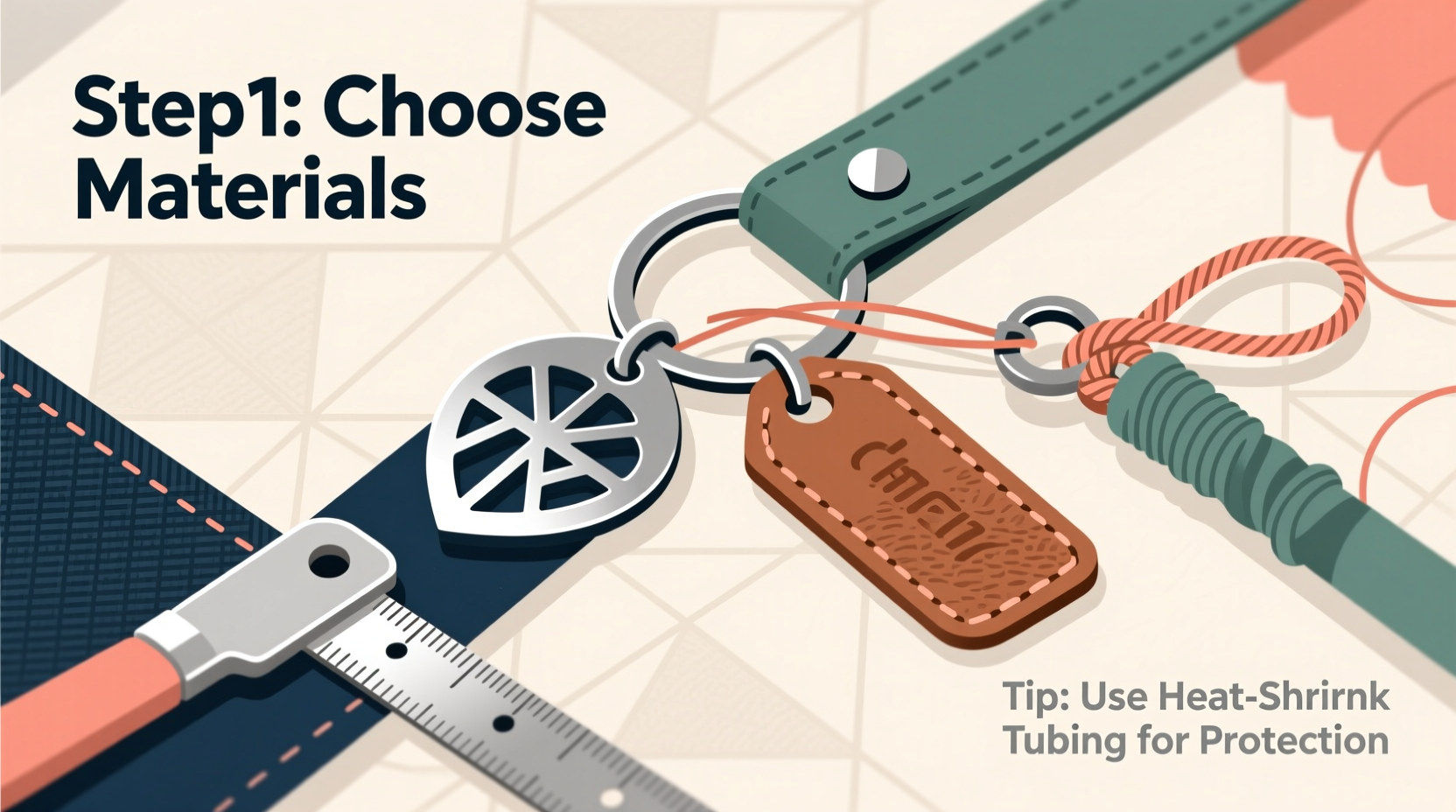
The foundation of any durable keychain lies in its components. Metal provides structure and longevity, while fabric adds color, texture, and individuality. Selecting compatible, high-quality materials is crucial for both appearance and function.
Metal Components: Opt for stainless steel, brass, or aluminum for rings, connectors, and findings. These resist corrosion and maintain luster over time. Avoid plated metals unless they are thickly coated—thin plating wears off quickly with friction.
Fabric Selection: Use tightly woven textiles like denim, canvas, or upholstery fabric. These hold shape well and resist fraying. Natural fibers such as cotton work best when pre-washed and treated with fray-check solution. Synthetic blends (e.g., polyester-cotton) offer added durability and moisture resistance.
Essential Tools and Setup
You don’t need an industrial workshop to make durable keychains. A small, organized workspace with basic hand tools suffices. Here’s what you’ll need:
- Needle-nose pliers and chain-nose pliers (for bending and securing metal)
- Wire cutters or flush cutters (for trimming jump rings or excess wire)
- Heavy-duty needle and waxed thread or nylon-coated thread (for stitching fabric)
- Leather punch or hole punch (to create clean openings in fabric)
- Ruler, rotary cutter, and self-healing mat (for precise fabric cutting)
- Lighter or fray sealant (to finish fabric edges)
- Anvil block or metal bench pin (for shaping metal pieces)
Keep your tools clean and sharp. Dull punches create ragged holes; worn needles snag fabric. Store everything in labeled containers to streamline future projects.
Step-by-Step Assembly Process
Follow this structured workflow to assemble a robust metal and fabric keychain that lasts:
- Cut the fabric: Measure and cut fabric into strips or shapes (typically 1.5” x 3” rectangles). Use templates for consistency.
- Seal the edges: Lightly run a flame along each edge or apply liquid fray stopper to prevent unraveling.
- Punch holes: Position holes near the top end of the fabric piece. Two parallel holes spaced ¼ inch apart allow secure threading through a connector ring.
- Prepare metal components: Open a split ring or jump ring using pliers by twisting sideways (do not pull apart).
- Attach fabric to ring: Thread the ring through both holes in the fabric. For extra security, sew around the holes with a bar tack stitch.
- Add hardware: Connect the split ring to a lobster clasp, carabiner, or keyring base using another jump ring.
- Finish and test: Close all rings securely, inspect seams, then tug gently to simulate stress.
For layered designs, stack multiple fabric swatches or combine with metal charms. Always finish with a protective coating if desired—clear nail polish or jewelry resin can shield stitching from moisture and abrasion.
Durability Checklist: Ensuring Longevity
To guarantee your keychains endure daily use, follow this verification checklist before finalizing each piece:
- ✅ Fabric edges sealed against fraying
- ✅ Stitching reinforced at stress points
- ✅ Metal components free of burrs or weak joints
- ✅ Jump rings fully closed and aligned
- ✅ No exposed threads or loose ends
- ✅ Tested under tension (simulated jostling in pocket or bag)
Skipping even one step compromises integrity. A single frayed edge or poorly closed ring can lead to premature failure.
Do’s and Don’ts of Keychain Construction
| Do’s | Don’ts |
|---|---|
| Use UV-resistant thread to prevent degradation in sunlight | Don’t rely solely on glue instead of stitching |
| Pre-treat fabric with waterproofing spray for outdoor use | Don’t overload with too many heavy charms |
| Round corners slightly to reduce fabric wear | Don’t use thin, loosely woven fabrics like chiffon |
| Inspect metal for cracks or brittleness before use | Don’t force open jump rings—this weakens the metal |
Adhering to best practices ensures structural soundness and visual polish. Even minor oversights accumulate into major flaws over time.
Real Example: From Concept to Daily Carry
Sophie, a hobbyist crafter from Portland, wanted to create personalized keychains for her hiking group. She designed a series featuring rugged olive-drab fabric tags stitched with trail names and paired with brushed nickel rings. Initially, she used standard cotton twill, but within weeks, the edges began to fray after exposure to rain and pack friction.
She revised her process: switching to marine-grade canvas, sealing edges with heat, reinforcing stitches with double-thread bar tacks, and adding a drop of clear epoxy at the attachment point. The updated version survived six months of regular trail use without visible damage. One member reported dropping his keys down a rocky slope—only the fabric tag remained intact, still firmly attached.
Sophie’s experience underscores that durability isn't accidental—it's engineered through material choice and construction discipline.
Expert Insight on Craftsmanship and Wear
“Durability in mixed-media crafts comes down to compatibility. If your fabric is strong but your metal connector fails, the whole piece fails. Match tensile strengths across materials and always over-engineer critical junctions.” — Daniel Reyes, Industrial Jewelry Designer & Educator
This principle applies universally: the weakest link determines overall lifespan. Choose components rated for repeated stress, especially at connection points where motion and load concentrate.
Frequently Asked Questions
Can I wash a fabric and metal keychain?
Spot cleaning is recommended. Submerging can weaken adhesives, promote rust in lower-grade metals, and cause fabric shrinkage. Use a damp cloth with mild soap, then dry thoroughly.
How do I personalize without sacrificing strength?
Laser engraving on metal or embroidery on fabric preserves integrity better than glued-on labels or paper inserts, which degrade faster. Embroider directly onto the fabric before assembly for seamless integration.
Are there eco-friendly options for durable keychains?
Yes. Recycled metal findings, organic cotton canvas, and plant-based fray sealants offer sustainable alternatives without compromising quality. Some artisans use upcycled seatbelt webbing or sailcloth for extreme durability.
Conclusion: Build with Purpose, Wear with Pride
Crafting durable metal and fabric keychains at home blends creativity with practical engineering. Each decision—from thread type to ring closure technique—affects how long your creation will last and how well it represents your intent. By selecting resilient materials, following structured assembly steps, and testing for real-world conditions, you elevate simple DIY projects into heirloom-quality keepsakes.




 浙公网安备
33010002000092号
浙公网安备
33010002000092号 浙B2-20120091-4
Comments
No comments yet. Why don't you start the discussion?