
For enthusiasts who have accumulated hundreds or even thousands of building blocks over the years, managing a growing collection can quickly become overwhelming. Whether you're a parent helping a child maintain order, an adult hobbyist expanding a personal archive, or a classroom educator overseeing shared sets, organization is key to preserving creativity and functionality. A well-structured system not only protects your investment but also enhances the building experience by making pieces easy to find and inspiring new projects. The right approach combines smart storage, intuitive categorization, and creative reuse of space and components.
1. Sort with Purpose: Beyond Color and Size
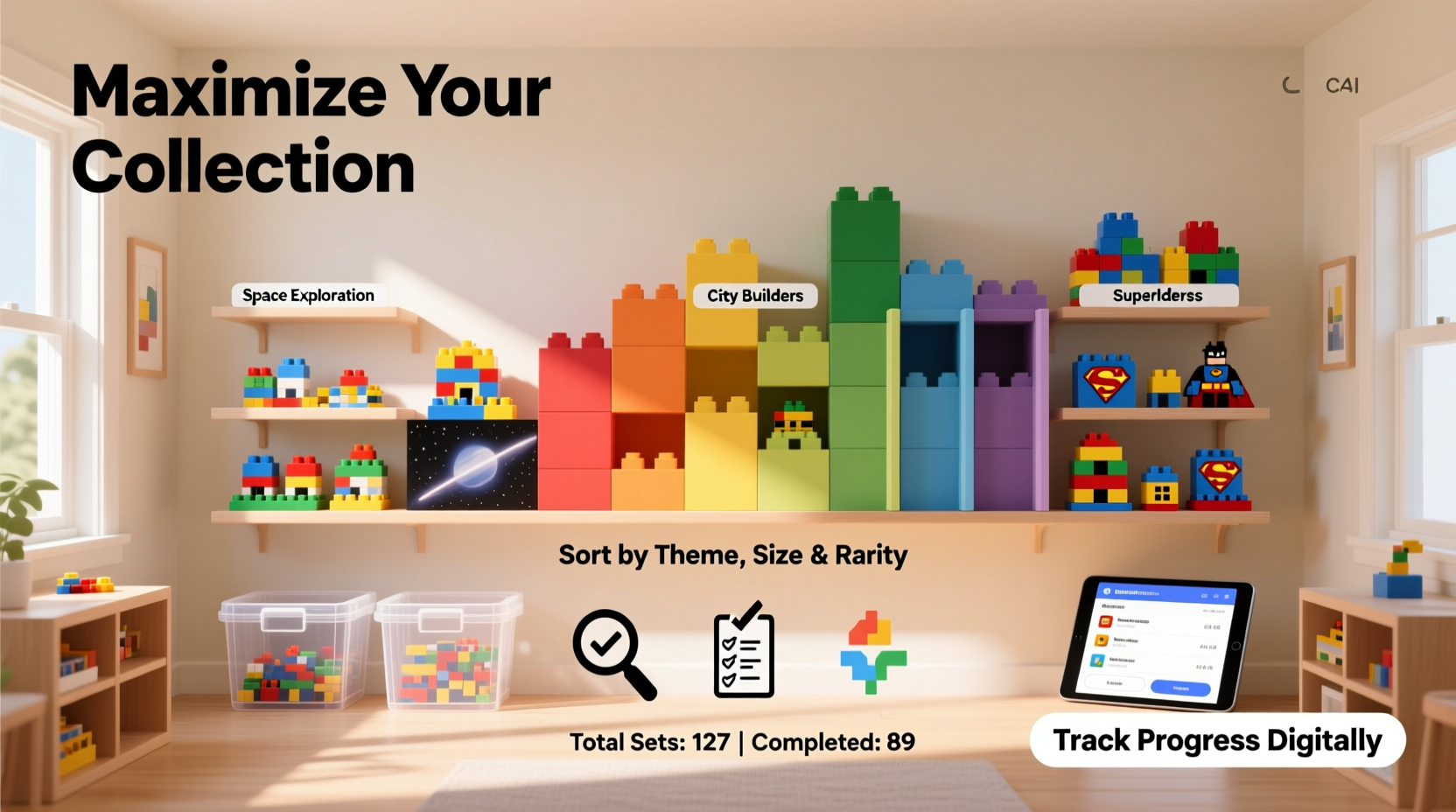
Most builders start by sorting blocks by color or size, but advanced organization requires deeper categorization. Consider grouping pieces by function—such as slopes, tiles, hinges, wheels, or minifigures—or by frequency of use. Functional sorting reduces search time during builds and encourages intentional design.
For example, separating arches from bricks or isolating technic pins from standard connectors allows for faster access when working on complex models. Use clear, labeled containers so you can see contents at a glance. Transparent bins with adjustable dividers are ideal for maintaining flexibility as your collection evolves.
2. Build a Modular Storage System
Instead of stacking random boxes, design a modular storage ecosystem that grows with your collection. Wall-mounted shelving, rolling carts, and stackable drawers can be combined into a customized layout that fits your space—whether it’s a corner of a bedroom, a garage shelf, or a dedicated playroom.
Consider repurposing office supply organizers for small parts. Drawer units designed for hardware or crafting supplies work exceptionally well for tiny elements like 1x1 tiles or jumper plates. For larger sets, use flat, shallow trays to prevent deep digging and accidental spills.
| Storage Type | Best For | Limitations |
|---|---|---|
| Stackable Plastic Bins | Large collections, bulk sorting | Takes floor space if overused |
| Drawer Organizers | Small pieces, frequent access | Limited capacity per drawer |
| Wall Grids + Bins | Visual access, space-saving | Requires wall mounting |
| Rolling Carts | Mobility, multi-user environments | Can be unstable if overloaded |
3. Digitize Your Inventory for Smarter Building
One of the most powerful tools in modern block management is digital tracking. Platforms like BrickLink Studio, Rebrickable, or LEGO's own application allow users to catalog their collections by uploading set inventories or scanning box codes. Once logged, these tools suggest compatible builds, identify missing pieces, and help plan future purchases without duplication.
Rebrickable, for instance, lets you register owned sets and parts, then recommends thousands of fan-designed models you can build with what you already have. This turns excess inventory into inspiration, reducing clutter while maximizing creative output.
“Digital inventories transform passive collections into active toolkits. You’re not just storing blocks—you’re curating a library of possibilities.” — Daniel Park, Toy Systems Designer
4. Rotate Sets and Themes to Maintain Engagement
A static display of every set ever acquired leads to visual fatigue and underuse. Instead, adopt a rotation strategy: store 70% of your collection out of sight and rotate themed sets monthly. One month might feature space exploration, the next medieval castles, followed by city infrastructure.
This method keeps the building experience fresh, reduces decision paralysis, and makes clean-up easier. It also mimics museum curation—each theme gets its moment to inspire. Use collapsible storage crates labeled by theme for seamless transitions.
Step-by-Step Guide to Implement Rotation
- Inventory all complete sets and group by theme (e.g., pirates, robots, vehicles).
- Select 2–3 themes to remain accessible; store others in clearly labeled, sealed containers.
- Set a calendar reminder every 4 weeks to swap out themes.
- Display current sets on open shelves or tables for immediate access.
- Document each rotation with a photo log to track engagement and usage patterns.
5. Repurpose and Reimagine: Turn Leftovers into Assets
Every builder accumulates “leftover” pieces—oddball colors, outdated molds, or incomplete sets. Rather than discarding them, create a “creation bin” dedicated to experimental builds. Challenge yourself or your family to construct something new using only pieces from this bin each week.
You can also disassemble older or less-loved sets into raw materials. These become your foundation for custom designs. Many advanced builders maintain a “scrap yard” of generic bricks (especially 2x4s in neutral tones) to support ongoing projects without opening new sets unnecessarily.
Mini Case Study: The Thompson Family Workshop
The Thompsons, a family of four in Portland, collected LEGO sets for over a decade. With no system in place, their basement became a maze of unopened boxes and scattered bins. After implementing a categorized drawer system, digitizing their inventory on Rebrickable, and introducing monthly theme rotations, they reduced clutter by 60%. Their children now spend more time building and less time searching. The father, Mark, reported: “We built a spaceship last month using only recycled pieces from old sets. It felt better than following an instruction manual.”
Checklist: Organize Your Collection in One Weekend
- Empty all containers and sort pieces by type or function
- Discard broken or severely damaged elements
- Label each storage unit with clear, durable tags
- Digitally log at least five major sets using Rebrickable or BrickLink
- Designate one “current theme” and store the rest
- Install at least one tier of wall-mounted grid panels with bins
- Create a “creation bin” for open-ended challenges
Frequently Asked Questions
How do I handle mixed-brand building blocks?
Many collectors own both LEGO and compatible brands (like Mega Bloks or Best-Lock). While they often fit together, it’s wise to store them separately if tolerances differ. Over time, mixing lower-tolerance pieces can weaken structural integrity in complex builds. Label cross-compatible bins clearly to avoid confusion.
What’s the best way to store opened sets without losing pieces?
Use resealable plastic bags inside labeled containers. For instruction manuals, scan them or store them in a binder. Alternatively, upload PDFs to a cloud folder tagged by set number. This preserves instructions without taking up physical space.
Can organizing actually improve building creativity?
Absolutely. When pieces are easy to find, builders spend less time sifting and more time experimenting. A study by the Play Innovation Lab (2022) found that children presented with organized materials generated 37% more unique designs than those facing disorganized bins. Clarity fuels imagination.
Conclusion
Organizing a large building block collection isn’t about neatness for neatness’ sake—it’s about unlocking potential. Every sorted bin, labeled drawer, and digitized inventory entry transforms chaos into opportunity. With thoughtful systems in place, your collection becomes more than a stash of plastic; it evolves into a dynamic workshop where ideas take shape effortlessly. The time invested today pays dividends in creativity, efficiency, and joy for years to come.




 浙公网安备
33010002000092号
浙公网安备
33010002000092号 浙B2-20120091-4
Comments
No comments yet. Why don't you start the discussion?