
Fashion is cyclical, but your wardrobe doesn’t need to keep up with every trend at full speed. Instead of discarding outdated garments, consider the untapped potential in your closet. With a little creativity and effort, old fashioned clothes can be reimagined into stylish, wearable pieces that reflect your current taste. This approach not only saves money but also supports sustainable fashion by reducing textile waste. From simple alterations to bold reinventions, there are countless ways to breathe new life into forgotten fabrics.
Assess What You Already Own
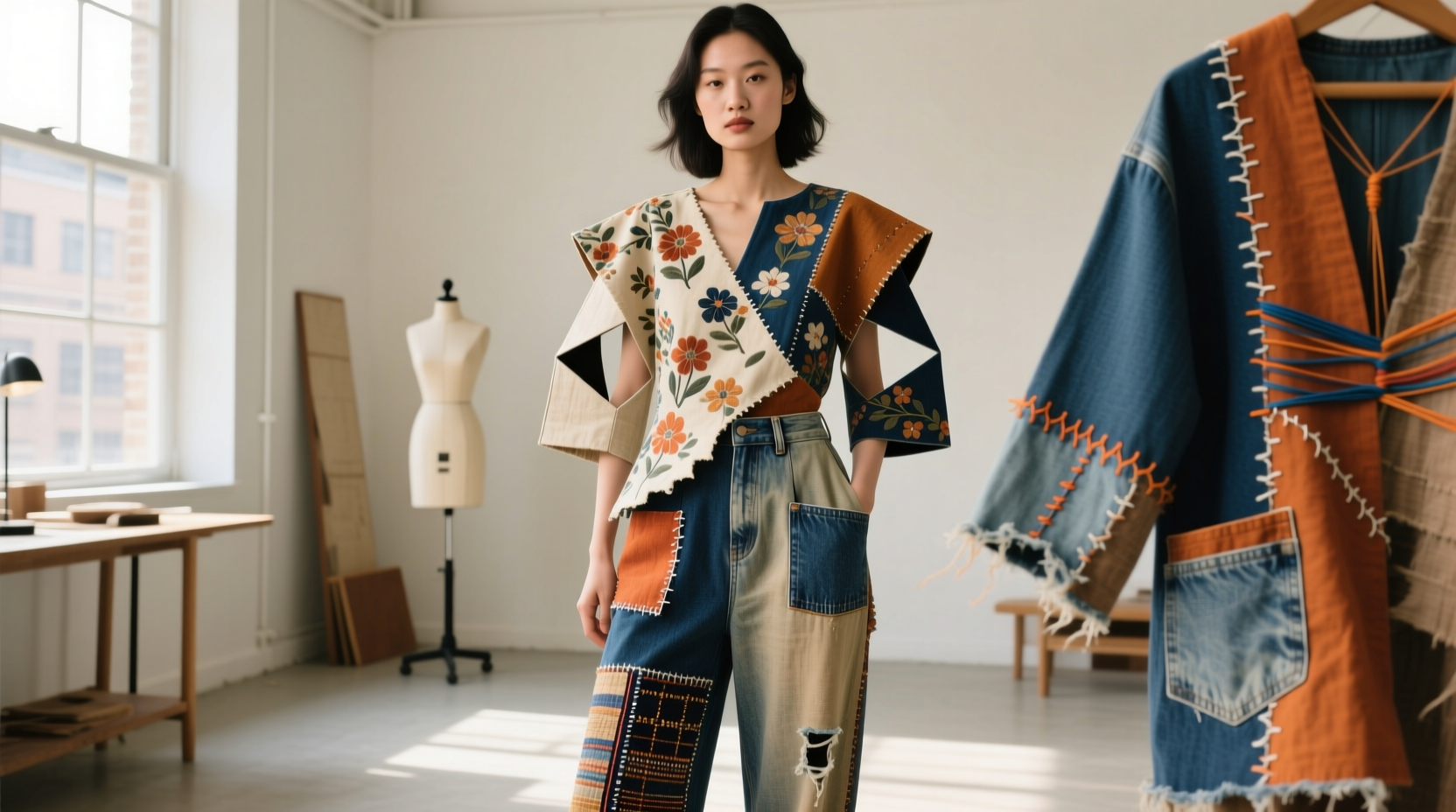
The first step in transforming old clothes is taking stock of what you have. Pull everything out and sort items into categories: those worth repairing, those that can be repurposed, and those beyond saving. Look past dated silhouettes or patterns—focus on fabric quality, color, and structural integrity. Natural fibers like cotton, wool, and linen often hold up better over time and respond well to dyeing or reconstruction.
Ask yourself:
- Does the fabric feel durable?
- Is the garment stained or damaged beyond repair?
- Could the color be updated with dye?
- Are there unique details (buttons, embroidery, collars) worth salvaging?
5 Creative Transformation Strategies
1. Upcycle Through Tailoring
One of the most effective ways to modernize an old piece is through tailoring. A boxy blazer from the '90s can become a cropped statement jacket. Wide-leg trousers can be transformed into high-waisted culottes. Hemming, tapering, and restructuring seams can align vintage cuts with contemporary proportions.
For DIY tailors, start with simple fixes: shorten sleeves, take in side seams, or replace buttons with more modern ones. If you're less experienced, seek a local tailor—they can often work wonders for a modest fee.
2. Dye for a Color Refresh
Faded denim, dull sweaters, or outdated prints can get a second chance with fabric dye. Modern dyes come in a wide range of colors and are suitable for cotton, wool, silk, and even some blends. Darker shades like indigo, rust, or forest green tend to look more contemporary and hide imperfections.
Dyeing is especially effective for solidifying a cohesive wardrobe palette. Imagine turning mismatched beige and gray tops into a unified collection of deep terracotta tones.
3. Deconstruct and Rebuild
Break garments down into components and rebuild them into something entirely new. A worn-out dress can yield enough fabric for a skirt, tote bag, or set of scrunchies. Combine panels from multiple shirts to create a patchwork jacket or quilted vest.
This method works best with sturdier fabrics. Use interfacing to reinforce thin materials, and experiment with asymmetry or raw edges for an edgy, modern aesthetic.
4. Add Embellishments and Details
Sometimes, all a garment needs is a focal point. Embroidery, appliqué, lace trim, or even painted designs can elevate a plain or outdated piece. Try adding contrast piping to a collarless shirt or stitching vintage brooches onto a denim jacket.
These personal touches make your clothing one-of-a-kind and reflect your evolving style without requiring advanced skills.
5. Convert to Accessories
Not every piece needs to remain clothing. Scarves, headbands, clutches, and even pillow covers can be made from repurposed fabric. A silk blouse with a stained bodice might still have pristine sleeves perfect for a chic evening clutch.
Small projects like these build confidence and provide quick wins while using minimal materials.
“Reinventing old clothes isn’t just about aesthetics—it’s a form of self-expression and resistance to fast fashion.” — Lena Torres, Sustainable Fashion Designer
Step-by-Step Guide: Turn an Old Button-Up Shirt into a Modern Crop Top
A classic men’s or oversized women’s button-up shirt can be transformed into a trendy crop top with minimal tools. Follow this timeline:
- Day 1 – Planning & Prep: Choose a shirt in good condition. Wash and iron it. Decide on the desired length (typically 16–18 inches from shoulder).
- Day 2 – Cutting: Mark the cut line with chalk or pins. Use sharp fabric scissors to slice straight across the front and back. Leave side seams intact.
- Day 3 – Finishing Edges: Fold the raw edge up ½ inch and pin. Sew around the hem using a straight stitch. For a distressed look, skip sewing and lightly fray the edge.
- Day 4 – Customize: Roll and secure the sleeves with cufflinks or buttons. Add embroidery near the collar or paint a small motif on the back.
- Day 5 – Style: Pair with high-waisted jeans or layer under a sleeveless dress.
Do’s and Don’ts of Clothing Reuse
| Do | Don't |
|---|---|
| Test fabric dye on a hidden seam first | Use bleach on colored fabrics unless intentional fading is desired |
| Preserve functional elements like zippers and buttons | Overload a project with too many changes at once |
| Start with reversible modifications (e.g., temporary tucks) | Cut into delicate fabrics without stabilizing them first |
| Document your process for future reference | Discard garments with minor flaws—many stains can be dyed over |
Real Example: Sarah’s Denim Revival Project
Sarah, a teacher from Portland, inherited a collection of her grandmother’s 1970s jeans—several pairs with high waists and flared legs. While she loved the sentimental value, the fit didn’t suit her daily routine. Rather than storing them away, she decided to experiment.
She cut two pairs into shorts, hemmed them unevenly for a modern look, and added embroidered flowers along one pocket. The third pair became a denim tote: she removed the legs, reinforced the bottom with canvas, and used the belt loops as handles.
Within a month, Sarah had three wearable pieces and received compliments on her “vintage-chic” style. More importantly, she felt connected to her family history while staying true to her personal aesthetic.
Essential Checklist for Starting Your Clothing Transformation Journey
- ☐ Sort through your wardrobe and identify 3–5 items for reuse
- ☐ Gather basic supplies: scissors, thread, needle, pins, fabric glue, measuring tape
- ☐ Research simple techniques (hemming, patching, dyeing) online or via tutorials
- ☐ Sketch or describe your vision for each transformation
- ☐ Begin with one low-risk project (e.g., shortening pants or dyeing a T-shirt)
- ☐ Label or photograph completed pieces to track progress
- ☐ Share your results with friends or on social media for feedback and motivation
Frequently Asked Questions
Can I combine different fabrics when upcycling?
Yes, but be mindful of care requirements. Mixing cotton with polyester may complicate washing instructions. When possible, use similar weights and fiber types to ensure durability and consistent behavior during wear and cleaning.
What if I don’t know how to sew?
No problem. Many transformations require no sewing at all. Fabric glue, iron-on patches, safety pins, and knotting techniques can achieve stylish results. Alternatively, learn beginner stitches like the running stitch or backstitch—these take minutes to master and open up many possibilities.
How do I store upcycled clothes properly?
Treat them like any other garment. Store in a cool, dry place away from direct sunlight. Fold knits to prevent stretching, hang structured pieces on padded hangers, and use breathable garment bags if needed. Keep moth-repellent sachets if storing woolens.
Make Sustainability Stylish
Transforming old fashioned clothes isn’t just a craft project—it’s a mindset shift. It challenges the idea that new equals better and empowers you to define style on your own terms. Every altered seam, every dyed panel, and every reinvented silhouette becomes part of a larger story: one of resourcefulness, individuality, and environmental responsibility.
Start small. Celebrate imperfections. Let mistakes guide innovation. As your confidence grows, so will your ability to see potential where others see obsolescence.




 浙公网安备
33010002000092号
浙公网安备
33010002000092号 浙B2-20120091-4
Comments
No comments yet. Why don't you start the discussion?