
Deadpool has always stood out in the Marvel Universe—not just for his irreverent humor or regenerative healing, but for his bold red-and-black suit and unpredictable style. For collectors and hobbyists, this makes him the perfect candidate for customization. With a little creativity and patience, you can transform a standard-issue Deadpool action figure into a one-of-a-kind collectible that reflects your personal flair. Whether you're aiming for comic accuracy, cinematic realism, or something entirely original, there are countless ways to personalize your Merc with a Mouth.
Selecting the Right Base Figure
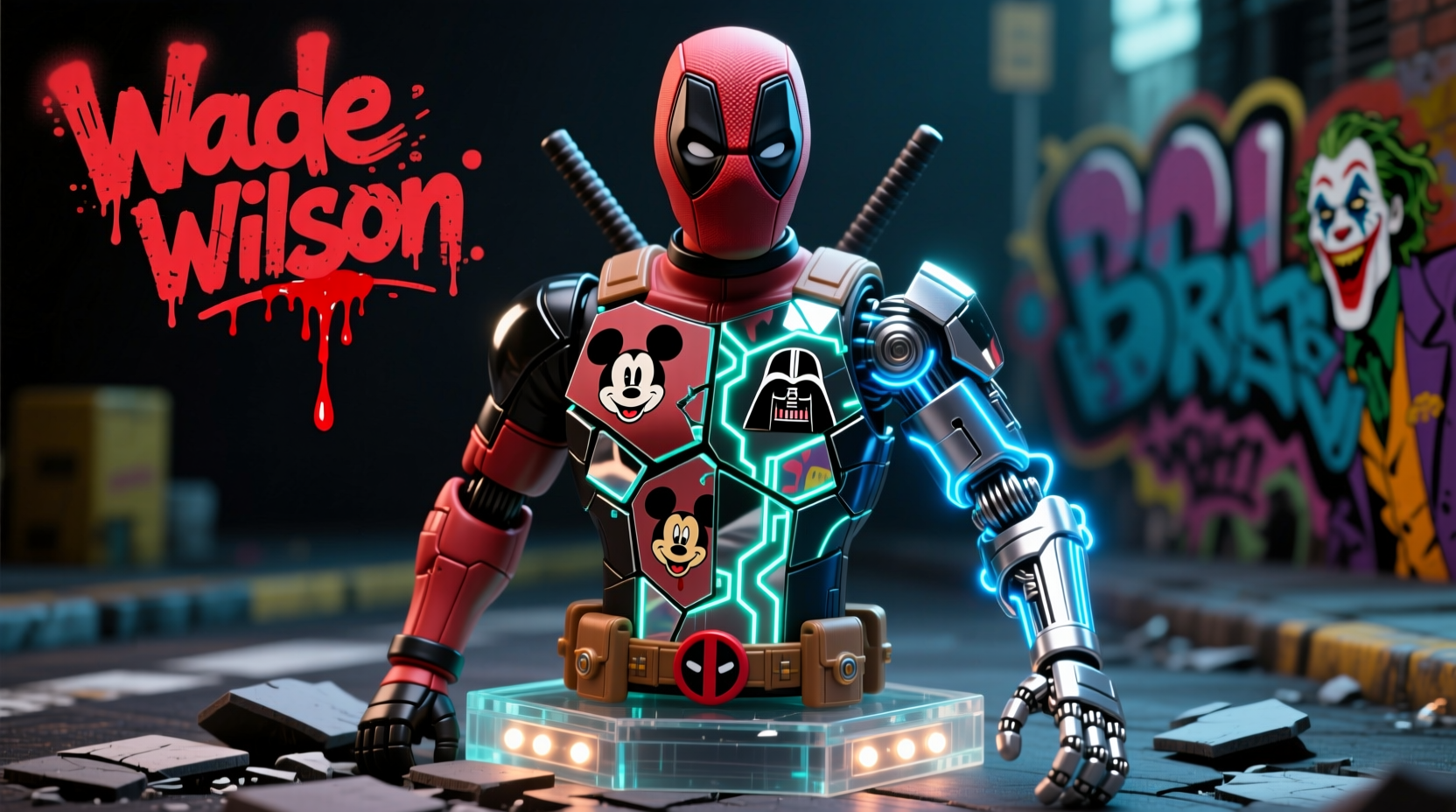
The foundation of any great custom begins with the right blank canvas. Most Deadpool figures come in 6-inch or larger scales, making them ideal for detailed work. Look for figures with interchangeable parts—especially hands and heads—as these allow greater flexibility when designing new poses or expressions. Figures made from PVC or ABS plastic are best for painting and sculpting, as they hold paint well and resist warping under heat.
Avoid cheaper knock-offs if possible. While budget-friendly, they often have poor articulation and inconsistent proportions, which can make modifications frustrating. Instead, opt for licensed products from companies like Hasbro, Hot Toys, or NECA, which offer better detail and durability.
Painting Techniques for Realistic Detail
Hand-painting is one of the most accessible and rewarding ways to customize a Deadpool figure. Start by disassembling removable parts such as arms, legs, and head to ensure even coverage and easier access to tight areas. Clean each piece with isopropyl alcohol to remove mold release agents and oils that could interfere with paint adhesion.
Use acrylic model paints like Vallejo or Citadel, which are formulated for miniatures and adhere well to plastic. For fine details—like Deadpool’s signature scar tissue or the stitching on his mask—a precision brush (size 0 or smaller) is essential. Airbrushing can be used for smooth base coats, especially on large areas like the torso and limbs.
After painting, seal your work with a matte or satin spray varnish to protect against chipping and UV damage. Gloss varnish should only be used selectively—for example, on eyes or weapon blades—to simulate shine.
| Paint Type | Best For | Tips |
|---|---|---|
| Acrylic Model Paint | Detail work, small surfaces | Thin with water or flow improver for smoother application |
| Spray Primer | Base layer adhesion | Use gray or black for contrast; apply in thin, even coats |
| Weathering Washes | Dirt, grime, battle damage | Apply with a dry brush or cotton swab for subtle effects |
| Clear Varnish | Protection and finish | Matte for fabric, gloss for metal/plastic highlights |
Adding Custom Accessories and Weapons
Deadpool is rarely without an arsenal, and modifying or replacing his weapons can dramatically change his character portrayal. You can sculpt new katanas, pistols, or even absurd props (like a chimichanga launcher) using epoxy putty such as Green Stuff or Milliput. These materials cure hard and can be sanded, drilled, and painted.
For fans of screen-accurate builds, consider upgrading stock weapons with aftermarket resin pieces or 3D-printed upgrades. Some creators sell digital files for printers that replicate exact movie versions of Deadpool’s gear. If you don’t own a printer, services like Shapeways or local maker spaces can produce them for you.
Another advanced option is magnetizing weapons and hands so they snap securely into place. Drill small holes into the figure’s palms and weapon hilts, insert tiny neodymium magnets, and glue them in place with super glue gel. This allows quick swaps and dynamic posing without fear of dropping accessories.
“We’ve seen custom Deadpools wielding everything from lightsabers to garden hoes. The best ones tell a story through their gear.” — Marcus Tran, Prop Designer and Toy Customizer
Creating Alternate Costumes and Suits
One of the most fun aspects of customizing Deadpool is reimagining his iconic suit. From classic red-and-black to stealth camo, holiday themes, or even parody versions (like “Spanx” or “Duckpool”), the possibilities are endless.
To create a new costume, start by masking off areas with painter’s tape. Use contrasting colors to define new panel lines—white or gray outlines can simulate seams or armor plating. For textured effects like chainmail or scale patterns, apply a thin layer of gel medium mixed with sand or microbeads, then paint over it once dry.
For a metallic or tactical look, try metallic acrylics or aluminum foil transfer techniques. Wrap small sections in kitchen foil, secure with glue, then paint over it for a reflective armored effect. Alternatively, use decal paper to print custom logos or patches and apply them with setting solutions like Micro Sol.
Step-by-Step: Creating a Stealth-Mode Deadpool
- Disassemble the figure and prime with flat black spray paint.
- Mix dark gray and charcoal acrylics to paint subtle panel lines mimicking urban camouflage.
- Add weathering washes in recessed areas to simulate dirt and wear.
- Replace red lenses with matte black or dark blue for a covert ops vibe.
- Attach a custom-built silenced pistol and backpack using epoxy putty.
- Seal with matte varnish to eliminate shine.
Mini Case Study: The \"Cyberpunk Wade\"
Jess Rivera, a toy artist from Austin, Texas, wanted to blend Deadpool’s chaotic energy with a futuristic edge. She started with a 6-inch Hasbro Black Series figure and completely repainted it using neon pink, electric blue, and gunmetal gray. Using circuit board patterns printed on decal paper, she added cybernetic implants along the arms and neck. She sculpted glowing eye lenses from clear epoxy and embedded tiny LED micro-lights powered by a coin battery hidden in the base.
The finished piece, dubbed “Neon Wade,” was showcased at a local pop-up art gallery and received over 15,000 likes on social media. Jess credits her success to planning: “I sketched three design options before starting. That saved me from costly mistakes mid-project.”
Essential Customization Checklist
- ☐ Choose a high-quality base figure with good articulation
- ☐ Disassemble and clean all parts before painting
- ☐ Prime with appropriate base coat for paint adhesion
- ☐ Use quality acrylics and fine brushes for detailing
- ☐ Sculpt or replace weapons/accessories as needed
- ☐ Apply protective varnish after completion
- ☐ Document your process with photos for sharing or portfolio use
Frequently Asked Questions
Can I repaint a Deadpool figure without removing factory paint?
While possible, it's not recommended. Factory paint can peel or react poorly with new layers. Sanding lightly or using a plastic-safe primer helps, but stripping old paint with a mild solvent ensures better results and longevity.
How do I fix a broken limb or damaged joint?
Use super glue gel for minor cracks. For severed limbs, drill small pins (toothpicks or brass rods) into both pieces for reinforcement. Epoxy putty can rebuild missing sections and be painted to match.
Are custom figures still valuable for collectors?
Original unopened figures retain higher resale value. However, highly skilled customs can become collector’s items in their own right—especially if limited edition or artist-signed.
Bring Your Vision to Life
Customizing a Deadpool action figure isn't just about changing colors or swapping parts—it's about storytelling. Every brushstroke, sculpted detail, or modified accessory adds narrative depth. Is your Deadpool a time-traveling rogue? A retired chef running a taco stand? The figure in your hands can reflect any version of the character you imagine.
Start small, learn the basics, and don’t be afraid to experiment. Some of the most beloved customs began as simple paint jobs gone unexpectedly right. Share your creations online, connect with other customizers, and keep pushing the boundaries of what a toy can become.




 浙公网安备
33010002000092号
浙公网安备
33010002000092号 浙B2-20120091-4
Comments
No comments yet. Why don't you start the discussion?