
Handmade keychains are more than just functional accessories—they’re compact expressions of personality, craftsmanship, and creativity. In a world saturated with mass-produced items, a thoughtfully designed handmade keychain can spark conversation, reflect identity, or serve as a meaningful gift. The real challenge isn’t making a keychain; it’s making one that truly stands out. By blending unconventional materials, advanced techniques, and personalized design elements, you can elevate a simple accessory into a wearable art piece.
Selecting Materials That Tell a Story
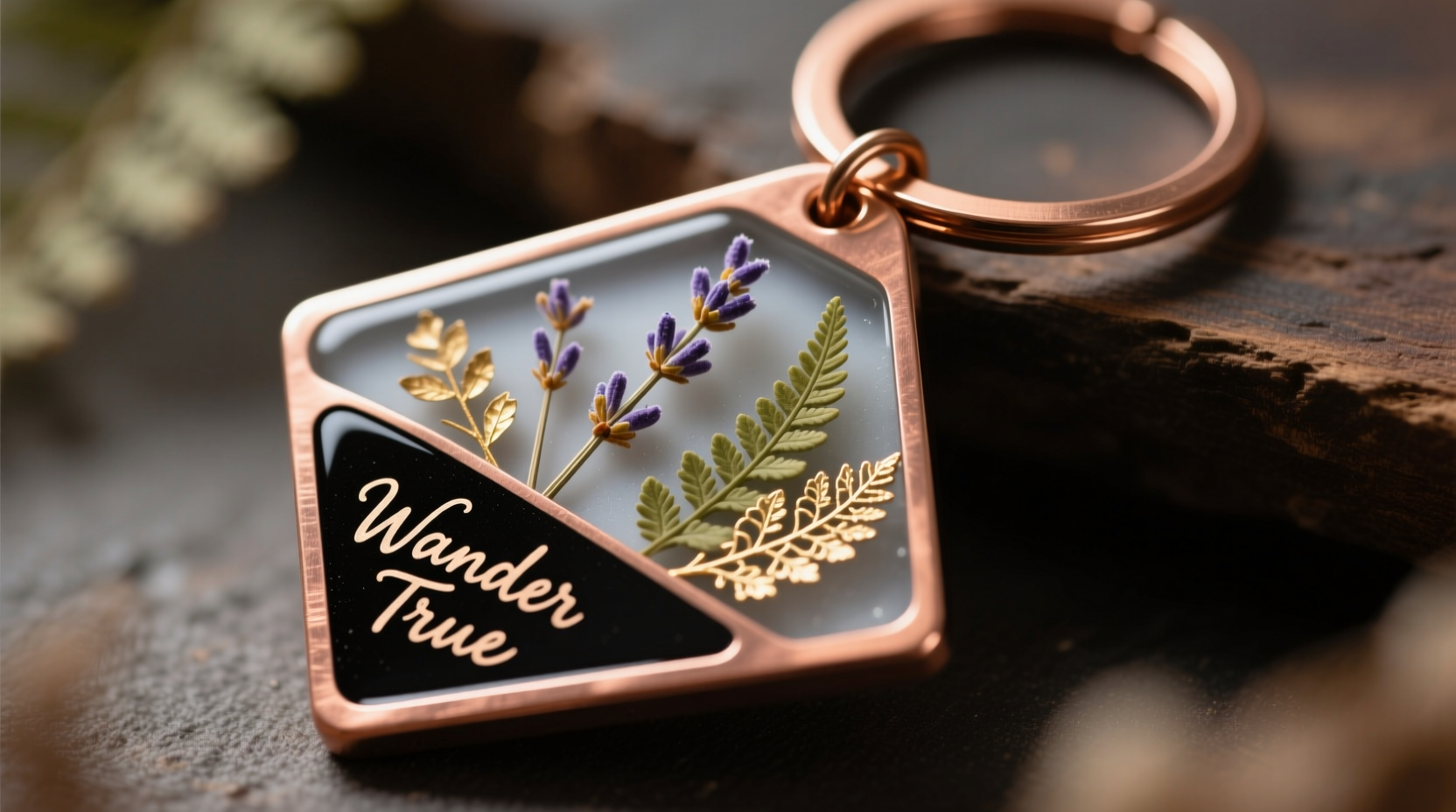
The foundation of any standout keychain is its materials. Most people default to basic metal charms or plastic beads, but the most memorable pieces come from unexpected sources. Consider incorporating reclaimed wood, vintage watch gears, ethically sourced leather scraps, or even embedded dried botanicals sealed in resin. Each material adds texture, history, and visual interest.
For example, using salvaged circuit board fragments introduces a futuristic aesthetic while promoting sustainability. Leather offcuts from local artisans not only reduce waste but also carry subtle tooling marks or natural grain patterns that no two pieces will ever replicate.
Advanced Techniques for Visual Impact
Basic beading or stringing won’t cut it if you want your keychain to catch eyes. Explore these advanced methods to create depth, movement, and originality:
- Resin Layering: Build dimension by pouring multiple thin layers of epoxy resin, embedding different elements (glitter, paper, pigments) in each layer. This creates a “floating” effect.
- Metal Stamping: Use hand-held steel stamps to imprint names, coordinates, or symbols onto aluminum or copper blanks. A lightly hammered finish adds artisanal charm.
- Micromacramé: Scale down traditional macramé knots using fine threads like silk cord or waxed linen. Tiny knotwork around a central bead or stone elevates simplicity into sophistication.
- Laser Etching on Wood or Acrylic: If access to tools allows, laser etching enables precise, intricate designs—from geometric patterns to miniature portraits.
“Unique doesn’t mean complicated. Often, a single bold technique executed flawlessly makes a stronger impression than multiple competing elements.” — Lena Torres, Jewelry Designer & Craft Educator
Personalization Beyond Initials
Most personalized keychains stop at monograms. To stand out, go deeper. Embed meaning through symbolism: a tiny compass for someone who loves travel, a stamped constellation for a night sky enthusiast, or a miniature book charm paired with a quote from their favorite novel.
One effective method is using **micro-photography encapsulation**—print a 5mm photo of a cherished memory, seal it under resin, and frame it within a metal bezel. It’s discreet yet deeply personal.
| Personalization Method | Best For | Tools Required |
|---|---|---|
| Hand-stamped metal tags | Nicknames, dates, short quotes | Letter stamps, hammer, bench block |
| Resin photo embed | Memories, pet portraits, landmarks | Mini prints, UV resin, curing lamp |
| Laser-engraved acrylic | Logos, intricate patterns | Laser cutter, design software |
| Woven thread codes | Secret messages in color patterns | Embroidery floss, loom or needle |
Mini Case Study: The Memory Keychain Project
Jamal, a hobbyist crafter from Portland, created a series of keychains for his friends after a cross-country road trip. Instead of generic souvenirs, he collected small mementos—ticket stubs from national parks, sand from Utah’s Bonneville Salt Flats, and pressed wildflowers. Each was sealed in a custom silicone mold with UV resin, then attached to a brushed steel ring engraved with the location’s GPS coordinates. The result? A collection of narrative-driven accessories that sparked stories every time they were used. One friend reported strangers asking about her keychain at a coffee shop—turning a personal keepsake into a social connector.
Incorporating Movement and Functionality
A static keychain is easily overlooked. Introduce kinetic elements to draw attention. Try adding a small spinner mechanism between layers, allowing part of the design to rotate freely. Or use linked chainmaille weaves that ripple when jostled.
Another approach is dual functionality. Design a keychain that doubles as:
- A bottle opener forged from recycled silver
- A mini survival tool with a tiny compass or fire starter
- A detachable USB drive housed in a waterproof casing shaped like a vintage camera
These hybrids blend practicality with artistry, ensuring the piece is not only seen but used daily.
Step-by-Step: Creating a Resin & Metal Hybrid Keychain
Follow this detailed process to build a professional-quality hybrid keychain combining metal stamping and resin artistry.
- Gather materials: Aluminum blank, letter stamps, steel bench block, rubber mallet, sandpaper (400–600 grit), resin kit, pigment powder, mixing cups, toothpicks, silicone mold (keychain shape), clamps, jump rings, keyring.
- Stamp the metal: Lightly sand the blank. Arrange stamps carefully and strike firmly with the mallet. Clean edges with sandpaper.
- Prepare the mold: Place the stamped piece into the mold cavity. Secure with modeling clay if needed to prevent shifting.
- Mix resin: Combine resin and hardener per instructions. Add a pinch of gold mica powder for shimmer.
- Pour first layer: Fill halfway, tap mold to remove bubbles. Cure under UV light or let sit 12 hours.
- Add second layer: Pour remaining resin to top. Insert a small dried flower or metallic flake mid-pour for depth.
- Final cure: Allow 24 hours. Demold gently.
- Finish: Attach jump ring and keyring. Buff surface lightly with microfiber cloth.
Frequently Asked Questions
How do I ensure my handmade keychain lasts?
Durability starts with sealing porous materials. Use clear epoxy or UV-resistant varnish on wood, paper, or fabric. Avoid glue-based adhesives unless specifically rated for long-term bonding. For metal, opt for stainless steel, titanium, or coated alloys to resist tarnish.
Can I sell handmade keychains legally?
Yes, provided you own the rights to any designs used. Avoid trademarked characters or logos. If using licensed materials (e.g., Disney fabrics), ensure commercial use is permitted. Register your business and comply with local craft sale regulations.
What’s the best way to package handmade keychains?
Use recyclable kraft boxes or cotton pouches with a thank-you note. Include care instructions—especially for resin or delicate finishes. A QR code linking to your crafting story adds a modern touch.
Checklist: Crafting a Standout Keychain
- Choose a meaningful theme or story
- Select at least one non-traditional material
- Apply one advanced technique (resin, stamping, weaving)
- Test structural integrity (drop test, twist check)
- Add a surprise element (movement, hidden message, function)
- Package with intention and branding
Conclusion
A handmade keychain should never be an afterthought. When crafted with intention, it becomes a signature detail—a tiny testament to creativity, care, and individuality. Whether you're designing for yourself or others, the goal isn't just to hold keys, but to hold attention, evoke emotion, and endure through daily use. These techniques offer a starting point, but the real magic lies in your willingness to experiment, personalize, and refine.




 浙公网安备
33010002000092号
浙公网安备
33010002000092号 浙B2-20120091-4
Comments
No comments yet. Why don't you start the discussion?