
A mini bag keychain is more than just a fashion statement—it’s a functional micro-accessory that can carry essentials while keeping your style intact. Whether it’s a tiny crossbody, a charm-style pouch, or a novelty-shaped holder, these compact designs challenge traditional organization methods. The trick lies in maximizing utility without sacrificing aesthetics. With clever strategies and a bit of creativity, you can turn even the smallest keychain bag into an efficient, clutter-free tool.
1. Choose the Right Items to Carry
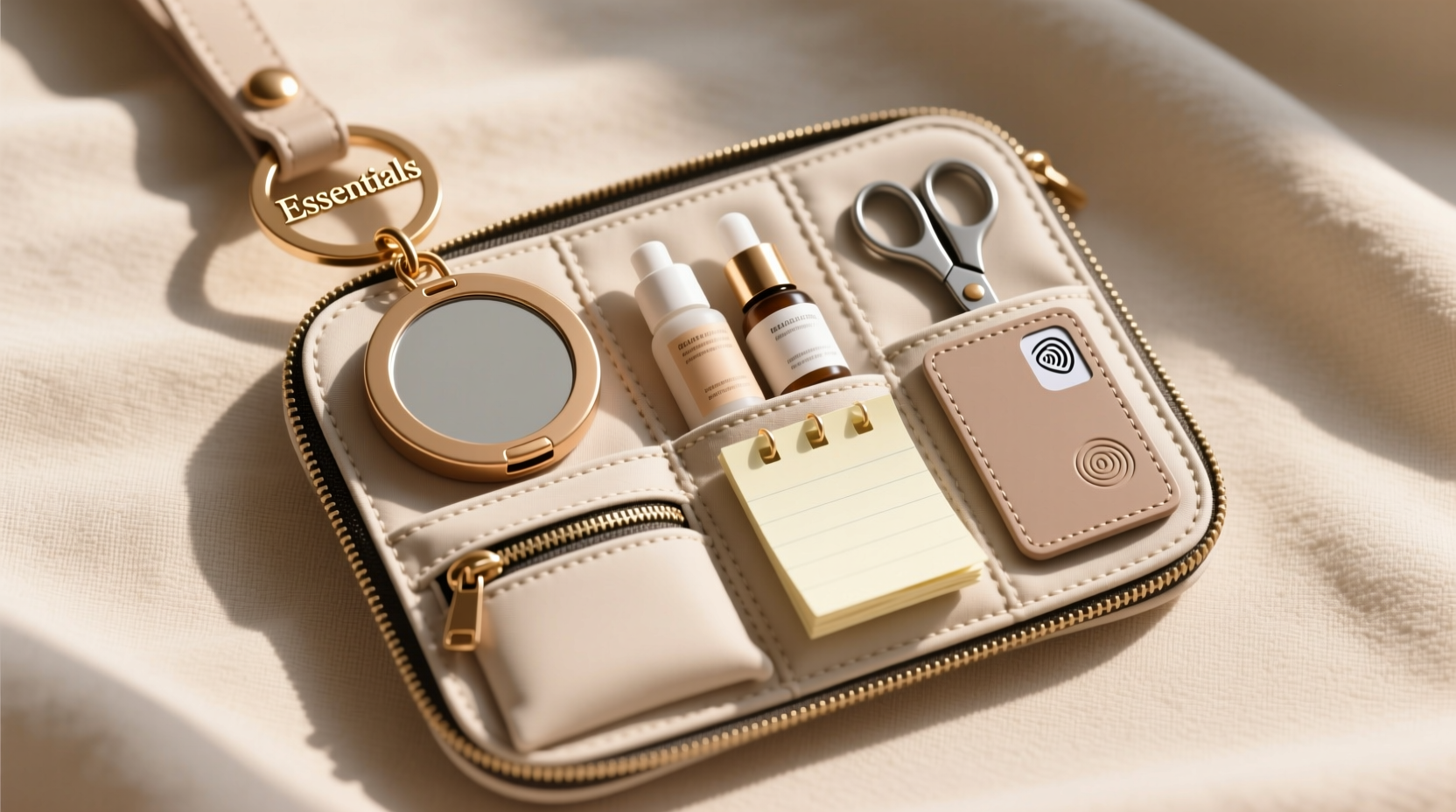
Not everything deserves a spot in your mini bag keychain. Prioritize items that are both essential and compact. Overloading defeats the purpose and risks losing contents when the clasp opens unexpectedly. Focus on lightweight, flat, or flexible objects that won’t distort the bag’s shape or add unnecessary bulk.
Common practical items include:
- A single folded emergency bill (e.g., $5 or $10)
- A flat USB drive or nano Bluetooth tracker (like Tile Slim)
- A tiny notebook or sticky pad (cut to size)
- A hair tie or safety pin (wrapped tightly)
- Miniature first-aid items like a bandage strip
Selecting based on frequency of use—not just novelty—ensures the bag remains useful rather than becoming a novelty junk drawer.
2. Use Mini Storage Compartments Creatively
Many mini bag keychains lack internal pockets, but that doesn’t mean you can’t create them. Think beyond the bag’s original design by using removable inserts or layered organization techniques.
| Item | Solution | Benefit |
|---|---|---|
| Cash or coupons | Fold into a credit-card-sized sleeve | Prevents crumpling; easy to slide in/out |
| Paper notes | Use a miniature memo cube (1x1 inch) | Takes minimal space; stackable |
| Small electronics | Wrap in soft fabric or silicone sleeve | Protects device and prevents scratches |
| Miscellaneous trinkets | Store in labeled micro-zip bags (1-inch square) | Group similar items; avoid mix-ups |
You can also repurpose vintage watch cases, lipstick tubes, or jewelry boxes as custom inner containers. These act as modular units inside the bag, making retrieval intuitive and reducing item jumbling.
3. Optimize Layout with a Step-by-Step System
Organization isn’t just about what you carry—it’s about how you place it. A logical layout ensures quick access and prevents frustration when time matters.
- Empty and assess: Start with a clean interior. Wipe down surfaces and evaluate current contents.
- Categorize: Group items by function—money, tools, personal care, etc.
- Size down: Trim, fold, or replace bulky versions with smaller alternatives.
- Layer thoughtfully: Place flat items at the bottom, followed by slightly thicker ones. Keep the most-used item on top or near the opening.
- Secure closures: If the bag has a snap or zipper, ensure it fully closes after loading. Test by gently shaking.
- Label if needed: For multi-use bags (e.g., work vs. travel), attach a tiny tag or color-coded charm.
This sequence turns chaotic stuffing into intentional packing. It’s especially helpful if you rotate keychains based on occasion.
4. Real-World Example: Maria’s Commute-Saver Keychain
Maria, a graphic designer in Brooklyn, uses a heart-shaped mini bag keychain attached to her everyday keys. She once lost a parking ticket because it fell out of her pocket, prompting her to rethink her carry system.
She now organizes her keychain bag with precision: a folded $10 bill tucked behind a slim metal business card holder engraved with her contact info, a single adhesive lint roller, and a micro flashlight. Everything fits in a 2.5-inch pouch and stays secure thanks to a magnetic flap.
“I used to think it was too small for anything useful,” she says. “Now I wouldn’t leave home without it. It’s saved me during subway delays, coffee spills, and even a flat tire.”
Her success came not from buying more—but from refining less.
5. Expert Insight: The Psychology of Micro-Organization
“Small organizational systems train the brain to value efficiency. When people master order in tight spaces, they often apply those habits to larger areas of life.” — Dr. Lena Torres, Behavioral Organization Specialist
Dr. Torres’ research shows that users of highly compact organizers report higher levels of daily control and lower stress related to misplaced items. The constraints of a mini bag keychain force decision-making: What truly matters? What can wait?
This mental filtering is a hidden benefit of minimalist carrying. It cultivates intentionality—a trait valuable far beyond accessories.
6. Creative Hacks for Maximum Utility
Think outside the (mini) box with these inventive approaches:
- Turn a coin case into a tech sleeve: Insert a micro SD card or SIM eject tool into a tiny coin purse keychain.
- Use bobby pins as clasps: Slide a bobby pin through a loop to temporarily seal open flaps.
- Attach a micro carabiner: Clip it inside the bag to hold folded cash or a loyalty card.
- Add texture cues: Wrap rubber bands around specific items (e.g., one around a spare key) so you can identify them by touch.
- Rotate seasonal items: In winter, carry a lip balm; in summer, a sunscreen sample. Keeps relevance high.
7. Do’s and Don’ts of Mini Bag Keychain Use
| Do’s | Don’ts |
|---|---|
| Carry only what you’ll use within 24 hours | Store heavy items like keys or multitools (unless designed for it) |
| Use soft fabric liners to protect delicate interiors | Overstuff to the point of distorting the bag’s shape |
| Check closure security weekly | Leave moisture-prone items like gum or mints (can melt) |
| Match contents to your daily routine (work, gym, errands) | Ignore wear on straps or stitching—repair early |
8. Frequently Asked Questions
Can I wash my mini bag keychain?
Yes, but carefully. Remove all contents first. If made of fabric, spot-clean with mild soap and a damp cloth. Avoid soaking leather or glued seams. Let air dry completely before reuse.
How do I prevent items from falling out when I open it?
Use a folding technique: place items toward the back and cover them with a stiffer object like a card. Alternatively, choose keychains with zippers or magnetic snaps over open-top styles.
Are there waterproof mini bag keychains available?
Yes. Look for models made from silicone, TPU, or coated nylon. Some outdoor brands offer sealed keychain pouches rated IPX4 or higher for splash resistance.
Final Thoughts: Small Space, Big Impact
The beauty of a mini bag keychain lies in its limitations. Constraints inspire innovation. By applying thoughtful organization—selecting wisely, arranging intentionally, and maintaining regularly—you transform a decorative accent into a reliable tool.
Every tiny decision counts: where you place a bill, how you fold a note, which item earns a spot. These micro-choices build a habit of clarity and preparedness. And over time, that mindset extends far beyond your keys.




 浙公网安备
33010002000092号
浙公网安备
33010002000092号 浙B2-20120091-4
Comments
No comments yet. Why don't you start the discussion?