
The Scottish style backpack—often crafted from rugged tweed, wool, or tartan fabric—carries a legacy of heritage, durability, and timeless design. While its classic construction speaks volumes on its own, personalizing it with thoughtful accessories can transform it from traditional to truly one-of-a-kind. Whether you use it for daily commutes, weekend hikes, or city strolls, a well-accessorized backpack reflects your personality while honoring its roots. The key is balancing authenticity with individuality.
Elevate with Tartan and Trimmings
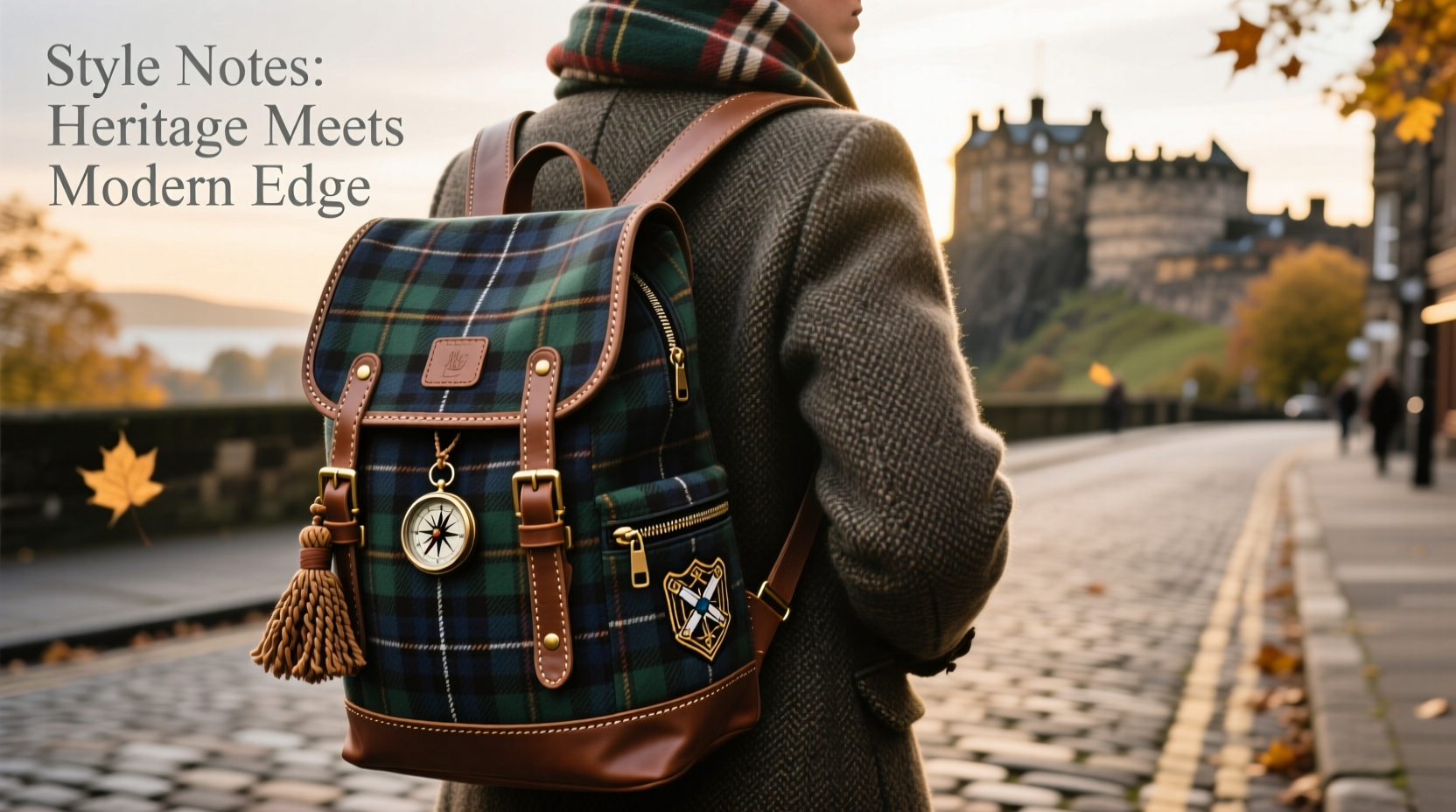
Tartan patterns are the soul of Scottish design, and incorporating additional tartan elements can deepen the cultural resonance of your backpack. Consider adding a detachable tartan patch that matches—or intentionally contrasts—your bag’s original weave. Sew-on patches, especially those representing specific clans or regions, add both visual interest and storytelling value.
Trim your zippers or straps with ribbon in complementary tartan hues. A narrow band tied around the main zipper pull not only prevents wear but also introduces a pop of color. For a bolder approach, replace standard leather zipper pulls with custom ones featuring thistle engravings or Celtic knotwork.
Incorporate Heritage-Inspired Hardware
Hardware choices can subtly shift the tone of your backpack from casual to refined. Swap out generic metal clasps or buckles for antique brass or pewter versions engraved with Scottish motifs like thistles, dragons, or Gaelic script. These details echo the craftsmanship found in traditional Highland dress accessories.
If your backpack has D-rings or lashing points, attach small kilts-inspired toggles or miniature sporran-style charms. These functional yet decorative pieces nod to Scotland’s sartorial history without overwhelming the design. Look for artisan-made options from Scottish craft markets or independent Etsy sellers specializing in Celtic metalwork.
“Authenticity in style isn’t just about wearing tradition—it’s about reinterpreting it with respect and creativity.” — Fiona MacLeod, Textile Historian & Designer
Create a Story with Pins and Badges
Pins are among the most expressive tools for personalization. Curate a collection of enamel pins that reflect your interests, travels, or values—then arrange them strategically on your backpack’s front panel or shoulder straps. Think beyond aesthetics: a St. Andrew’s Cross pin paired with a hiking boot emblem tells a story of national pride and adventure.
For a cohesive look, limit your palette to three dominant colors that harmonize with your backpack’s base fabric. Avoid overcrowding; space your pins to allow each to be seen. Magnetic backings are ideal for delicate wool fabrics, preventing holes while allowing easy rotation of designs.
Step-by-Step: Designing a Pin Layout
- Identify the focal point (e.g., center pocket or top flap).
- Place your largest or most meaningful pin there.
- Select 2–3 supporting pins that complement the theme.
- Arrange them in a balanced triangle or diagonal line.
- Secure with magnetic or butterfly clasps based on fabric type.
Add Functional Flair with Attachments
Accessories shouldn’t sacrifice utility for style. Enhance your backpack’s functionality while boosting its character. Attach a mini carabiner to hold keys, a compact multi-tool, or even a small flask—nodding to the practical spirit of Scottish outdoor culture.
Consider weaving paracord through the straps in a celtic weave pattern. Not only does this reinforce strap durability, but it also adds texture and craftsmanship. Choose cord colors that mirror your tartan or contrast boldly for a modern twist.
For urban explorers, clip on a foldable tote bag using the side loops. When folded, it acts as a textured accent; when unfolded, it extends your carrying capacity—perfect for spontaneous shopping or farmers’ market runs.
| Accessory Type | Style Benefit | Functional Benefit |
|---|---|---|
| Tartan Zipper Pulls | Color coordination, heritage touch | Improved grip, reduced strain |
| Magnetic Pins | Rotatable designs, expressive flair | No fabric damage, easy updates |
| Paracord Weaving | Tactile texture, handmade appeal | Reinforced straps, emergency use |
| Mini Sporran Charm | Cultural homage, whimsical detail | Can hold small items like coins or USB drive |
Seasonal Swaps and Rotational Themes
Just as Scottish landscapes change with the seasons, so can your backpack. Rotate accessories to match the time of year or upcoming events. In autumn, attach a small pinecone charm or a badge with a stag motif to celebrate the Highlands’ hunting season. During winter festivals, pin on a miniature Christmas tartan bow or a snowflake made of silver wire.
For spring, incorporate floral enamel pins resembling bluebells or heather—the latter being Scotland’s iconic bloom. Summer calls for lighter touches: think kilt-pin inspired sunglasses holders or a woven leather luggage tag with your initials burned in Gaelic font.
Mini Case Study: Jamie’s Festival-Ready Backpack
Jamie, a graphic designer from Edinburgh, owns a Harris Tweed backpack passed down from his grandfather. While he loves its durability, he wanted it to feel more “him” during music festivals. He added a series of enamel pins representing his favorite bands, many of which have Scottish roots. He replaced the plain shoulder strap covers with hand-knitted wool sleeves in a modern argyle pattern, dyed with natural plant pigments. Finally, he attached a small recycled leather tag stamped with “Craic 2024” in Gaelic script. The result? A bag that honors tradition while radiating personal energy. At the Belladrum Tartan Heart Festival, multiple attendees asked where they could get something similar.
Checklist: Accessorize Your Scottish Backpack Like a Pro
- Choose 1–2 signature hardware swaps (e.g., zipper pulls or buckles)
- Select a thematic set of 3–5 enamel pins or badges
- Add a textile accent (ribbon, patch, or knitted sleeve)
- Incorporate one functional attachment (carabiner, flask holder, etc.)
- Ensure all additions are securely fastened and balanced visually
- Rotate accessories seasonally to keep the look fresh
Frequently Asked Questions
Can I wash my backpack after adding accessories?
It depends on the materials. Wool and tweed should be spot-cleaned or professionally cleaned. Remove detachable accessories like pins and patches before any cleaning. Never machine-wash a Scottish wool backpack, as it may shrink or felt.
Will metal charms damage the fabric over time?
Potentially, if they rub constantly. To prevent abrasion, place a small fabric buffer between the charm and the backpack, or use soft-loop attachments instead of direct metal-to-fabric contact.
Are there cultural sensitivities to consider when using tartan patterns?
Yes. Some tartans are clan-specific and carry deep familial significance. If using a recognized clan pattern, research its origins. For general use, opt for district or universal tartans like Black Watch or Royal Stewart, which are widely accepted for public fashion.
Final Thoughts: Make It Unmistakably Yours
A Scottish style backpack is more than a carrier—it’s a canvas. Its rich textures and storied background provide the perfect foundation for creative expression. By thoughtfully layering accessories that blend heritage with personal narrative, you create a piece that turns heads and sparks conversation. The goal isn’t to cover the original design, but to enhance it—like adding a modern verse to an old ballad.




 浙公网安备
33010002000092号
浙公网安备
33010002000092号 浙B2-20120091-4
Comments
No comments yet. Why don't you start the discussion?