
For many adults, LEGO is more than a childhood pastime—it’s a form of art, engineering, and personal expression. As collections grow, so does the challenge: how do you proudly showcase your builds without turning your home into a toy-filled playroom? The key lies in intentional design, strategic placement, and thoughtful presentation. With the right approach, LEGO displays can elevate your interior aesthetic, spark conversation, and reflect your personality—without sacrificing sophistication.
Elevate with Display Cases and Shadow Boxes
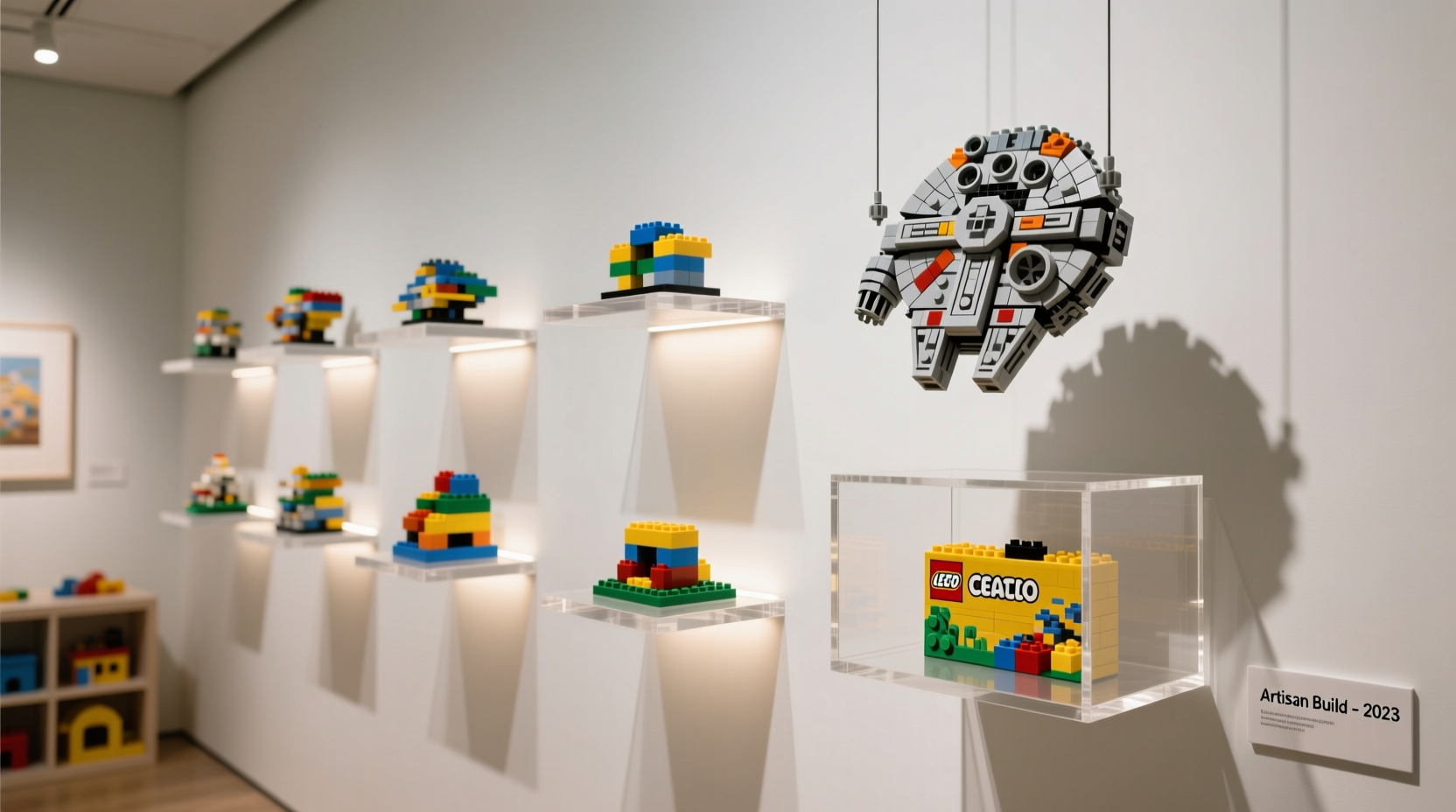
One of the most effective ways to transition LEGO from “play” to “presentation” is by using glass-enclosed display cases or shadow boxes. These act as both protection and framing devices, transforming individual sets into curated art pieces.
Choose cases with UV-protected glass to prevent color fading from sunlight, and opt for minimalist frames in black, brushed metal, or natural wood to match your décor. Modular wall-mounted shadow boxes are ideal for smaller builds like micro-figures, minifig dioramas, or single-model showcases such as a detailed LEGO Eiffel Tower or NASA rocket.
For larger collections, consider floor-standing acrylic display cabinets with locking doors. These not only protect from dust and curious hands but also create a gallery-like atmosphere. Position them near reading nooks, beside bookshelves, or as focal points in hallways to integrate them seamlessly into adult living spaces.
Integrate LEGO into Functional Furniture
Why separate storage from display? Blending LEGO into furniture allows you to keep sets visible yet organized. Custom coffee tables with built-in illuminated display trays are a popular choice among adult collectors. The lower compartment holds completed models under tempered glass, lit softly with LED strips, while the top surface remains usable for drinks, books, or decor.
Other options include:
- Built-in shelving units with recessed LEGO sections framed like artwork
- Media consoles with glass-front cubbies designed specifically for LEGO Technic or Architecture sets
- Desks with pull-out drawers that double as rotating display trays
When designing or selecting furniture, ensure proportions are balanced. A cluttered table overwhelms; one thoughtfully integrated model adds character. Stick to neutral tones in surrounding materials—walnut, white oak, matte black—to let the LEGO colors stand out without clashing.
“Displaying LEGO isn’t about hiding it—it’s about context. When treated like any other collectible, it earns its place in refined interiors.” — Daniel Reyes, Interior Designer & Adult Fan of LEGO (AFOL)
Create Themed Wall Galleries
Walls offer vast, often underused real estate for LEGO presentation. Instead of scattered shelves, curate a cohesive wall gallery that tells a story. Choose a theme—space exploration, iconic architecture, film tributes—and arrange sets at eye level in a deliberate layout.
Use floating shelves made of frosted acrylic or dark-stained wood to provide contrast and depth. Mount each set on a custom baseplate with engraved labels indicating the year, set number, and inspiration. For example:
| Set | Theme | Display Tip |
|---|---|---|
| LEGO Taj Mahal (10256) | Architecture | Mount on white baseplate with brass plaque |
| Millennium Falcon (75192) | Star Wars | Suspend with clear wire for \"floating\" effect |
| NASA Apollo Saturn V (92176) | Space | Pair with framed vintage space posters |
| Disney Castle (40478) | Fantasy | Add warm backlighting for magical glow |
Spacing matters. Allow at least 4–6 inches between each piece to avoid visual congestion. Include non-LEGO elements—a vintage blueprint, a small sculpture, or a framed quote from a director or engineer—to anchor the collection in a broader narrative.
Mini Case Study: The Urban Loft Gallery
Mark T., a software engineer in Portland, transformed a blank wall in his open-concept loft into a rotating LEGO exhibit. He installed five modular acrylic cubes mounted directly to the wall, each sized to fit one large set. Every three months, he swaps out a build—recently transitioning from the LEGO Titanic to the International Space Station.
To maintain elegance, he uses magnetic baseplates for quick changes and lines the back of each cube with charcoal-gray fabric to reduce glare. Motion-sensor LED lighting activates when someone walks by, adding an interactive museum feel. Guests often mistake the display for high-end modern art—exactly what Mark intended.
Use Lighting to Elevate Presentation
Lighting transforms LEGO from casual decoration to centerpiece. Natural light enhances vibrancy during the day, but controlled artificial lighting ensures impact around the clock.
LED strip lights placed behind or beneath display shelves create a halo effect, especially effective with transparent bricks or night-themed sets. For dramatic flair, use adjustable track lighting focused on individual pieces, mimicking art gallery spotlights.
Avoid fluorescent overheads—they wash out colors and cast unflattering shadows. Instead, opt for warm white LEDs (2700K–3000K) to enhance reds, yellows, and earth tones without bleaching blues and greens.
For suspended models—like flying dragons or spacecraft—consider clear monofilament lines anchored to the ceiling with discreet hooks. Backlighting these creates a levitating illusion, drawing attention upward and maximizing vertical space.
Rotate and Curate Like a Museum
The most sophisticated collectors don’t display everything at once. Rotation prevents visual fatigue and keeps the collection feeling fresh. Treat your home like a private museum with seasonal or thematic exhibitions.
For example:
- Fall: Haunted House, Ghostbusters Firehouse, pumpkin-themed fan creations
- Holiday: Winter Village series, Christmas Train, illuminated tree sets
- Spring: Botanical gardens, floral bouquets, outdoor café scenes
- Summer: Beach resorts, amusement parks, pirate ships
Store off-display sets in labeled archival containers, categorized by theme or size. This system makes rotation efficient and protects models from dust and damage.
Step-by-Step Guide: How to Rotate Your LEGO Display
- Inventory your collection: List all completed sets and note their dimensions and themes.
- Select a theme: Choose a season, event, or personal milestone (e.g., “30 Years of Star Wars”).
- Pick 3–5 featured sets: Ensure visual balance—mix large centerpieces with smaller accent pieces.
- Prepare the display area: Clean shelves, test lighting, update labels or signage.
- Dismount old sets carefully: Photograph arrangements before disassembly for future reference.
- Install new sets: Use leveling tools and alignment guides for professional positioning.
- Add complementary décor: Include related non-LEGO items (books, fabrics, prints) to enrich context.
- Announce the change: Share on social media or invite friends over for a “gallery opening.”
“Curating is just as important as building. A well-edited display speaks louder than a crowded shelf.” — Lena Choi, LEGO Artist & Exhibition Curator
Common Mistakes to Avoid
Even well-intentioned displays can fall short if basic principles are overlooked. Here are frequent missteps and how to correct them:
| Mistake | Why It Hurts the Look | Better Alternative |
|---|---|---|
| Clustering too many small sets together | Creates visual noise; feels chaotic | Group in threes with spacing, or isolate standout pieces |
| Leaving sets on original instruction boxes | Looks temporary and unrefined | Transfer to clean baseplates or custom plinths |
| Using bright, multicolored backgrounds | Distracts from the models | Use neutral backdrops: gray, black, or matte white |
| Placing displays in high-traffic kid zones | Invites handling and damage | Relocate to adult-oriented rooms: study, dining room, entryway |
FAQ
Can I display LEGO in direct sunlight?
Limited exposure is acceptable, but prolonged direct sunlight causes fading, especially in red and blue bricks. Use UV-filtering glass or rotate sun-exposed sets quarterly to minimize damage.
How do I keep dust off my LEGO displays?
Enclosed cases are best. For open shelves, lightly dust with a soft makeup brush or compressed air every two weeks. Avoid cloths that generate static, which attract more dust.
Are third-party display solutions worth it?
Yes. Brands like Bricker Rack, Collection Series, and Lightailing offer modular, elegant systems tailored to LEGO dimensions. While an investment, they provide long-term durability and a polished finish unmatched by generic shelves.
Final Thoughts: Make Your Collection Part of Your Story
Your LEGO sets are more than plastic bricks—they’re achievements, memories, and creative milestones. By displaying them with intention, you honor the time and passion invested in each build. Whether through sleek shadow boxes, integrated furniture, or curated wall galleries, the goal is harmony: letting LEGO coexist with mature design rather than disrupt it.
The most admired collections aren’t the largest—they’re the most thoughtfully presented. They invite admiration, not confusion. They say, “This is part of who I am,” without shouting it. Start small. Pick one set. Find the right light, the right frame, the right place. Build your display like you build your models—one brick at a time.




 浙公网安备
33010002000092号
浙公网安备
33010002000092号 浙B2-20120091-4
Comments
No comments yet. Why don't you start the discussion?