
For many adults and families, LEGO is more than just a toy—it’s a form of artistic expression, a nostalgic pastime, and even a collectible hobby. But when your favorite builds start multiplying across shelves and tables, the line between “curated collection” and “cluttered chaos” can blur quickly—especially in shared spaces like the living room. The challenge isn’t displaying LEGO; it’s doing so in a way that enhances your décor rather than detracts from it. The good news? With thoughtful planning and creative presentation, you can showcase your LEGO passion elegantly and intentionally.
Choose Display-Friendly Furniture
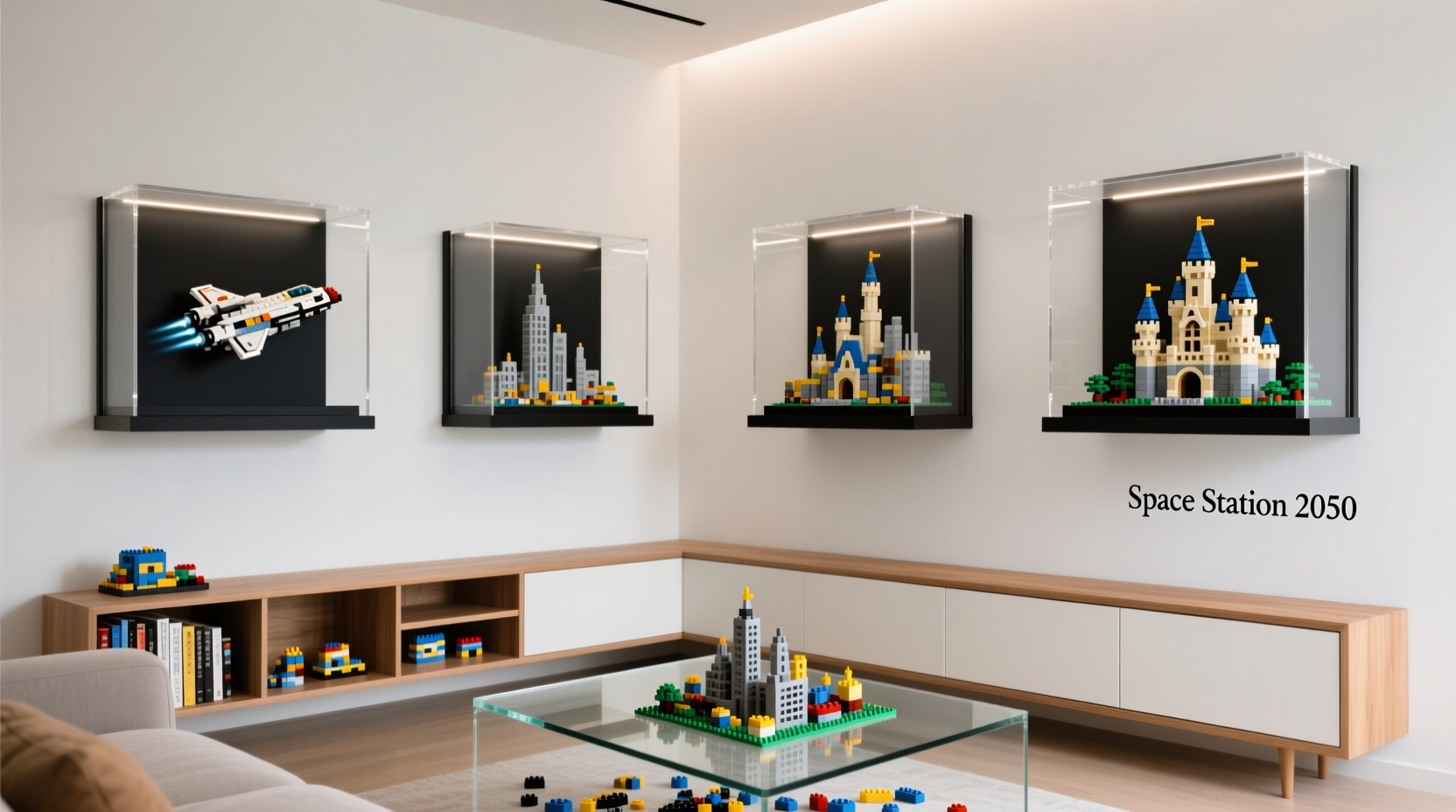
Furniture doesn’t have to be purely functional. In fact, some of the most effective LEGO displays are seamlessly integrated into everyday living room pieces. Opting for furniture designed with display in mind allows you to elevate your builds while maintaining a clean, organized aesthetic.
Consider coffee tables with glass tops and internal shelving. These allow you to place smaller LEGO models beneath the surface, turning the table into a conversation piece. Similarly, entertainment centers with built-in display cases or open-back cubbies offer protected yet visible storage. Look for units with adjustable shelves so you can accommodate varying model heights.
Modular shelving systems like IKEA Kallax or Vitsoe 406 are also excellent choices. Their grid-like design naturally complements LEGO’s geometric nature, and fabric bins can hide unassembled pieces while leaving completed sets on proud display.
Incorporate Lighting for Elegance and Focus
Lighting transforms how a LEGO set is perceived. A well-lit model draws attention as art, not clutter. Strategic illumination highlights details, creates depth, and anchors the display within the room’s overall ambiance.
LED strip lights installed inside display cabinets cast a soft glow that emphasizes color and texture. For floating shelves, use small puck lights mounted above or below the shelf edge. These create dramatic shadows and make each build appear museum-like.
If you’re displaying a night-themed set—like the LEGO NASA Apollo Saturn V or a city skyline at dusk—consider using warm white or cool blue LEDs to simulate time-of-day lighting. Battery-powered LED candles placed nearby (but safely distanced) can add ambient flair without cords.
“Lighting is the difference between a toy on a shelf and a piece of displayed art.” — Daniel Park, Interior Designer & AFOL (Adult Fan of LEGO)
Use Framed Shadow Boxes for Wall Displays
One of the most space-efficient and visually striking methods is mounting LEGO creations on walls using shadow boxes. These deep-framed enclosures protect your models while giving them a gallery-worthy presence.
Select shadow boxes with UV-protective glass to prevent plastic yellowing over time, especially in rooms with direct sunlight. Custom framing shops can build boxes to your exact dimensions, but ready-made options from retailers like Michaels or Framebridge work well for standard-sized builds.
Popular sets for framing include modular buildings, Star Wars micro-builds, or any flat-backed creation like the LEGO Art World Map. Mount several shadow boxes in a grid pattern for a cohesive gallery wall, or align them asymmetrically for a modern look.
To maintain visual harmony, paint the back panel of the shadow box in a neutral tone—matte black, charcoal gray, or soft beige—to make the LEGO colors pop without clashing with your wall color.
Step-by-Step Guide: Creating a Wall Gallery with LEGO Shadow Boxes
- Select 3–5 completed LEGO sets that are flat or low-profile (e.g., modulars, dioramas).
- Disassemble any loose parts and rebuild on baseplates that fit your chosen shadow box.
- Secure models with clear putty or museum wax to prevent shifting during transport or hanging.
- Measure and purchase shadow boxes with depth sufficient to accommodate tallest element (usually 2–3 inches).
- Install UV-filtering acrylic or glass fronts to protect against dust and fading.
- Mount boxes using picture-hanging hardware, ensuring studs or drywall anchors support the weight.
- Arrange spacing evenly—minimum 2 inches between boxes for breathing room.
Integrate LEGO into Themed Room Zones
Rather than scattering LEGO throughout the living room, designate one area as a “display zone.” This approach contains the visual impact and turns your collection into an intentional design feature.
For example, create a “geek chic” corner featuring a bookshelf with sci-fi novels, action figures, and a few select LEGO sets like the Millennium Falcon or Ghostbusters Ecto-1. Pair it with themed artwork and a matching color scheme to unify the space.
Alternatively, use a console table behind the sofa as a linear display. Place medium-sized sets (such as the LEGO Ideas Treehouse or Central Perk) along the back edge, backed by a mirror or framed print. This keeps the front surface free for lamps or decor while showcasing your builds.
If children are involved, consider a dual-purpose setup: a low cabinet with glass doors stores their favorite play sets, doubling as a TV stand. Label each compartment discreetly so kids know where things go, reducing post-play mess.
Smart Storage Solutions That Double as Decor
Not every LEGO piece needs to be on display—and smart storage keeps the unseen parts organized while contributing to the room’s style.
Clear acrylic display cubes are ideal for storing minifigures or small builds. Stack them like decorative blocks on a shelf, arranging by theme or color. Choose lidded versions to keep dust out while maintaining visibility.
For bulkier spare parts, use woven baskets tucked into side tables or ottomans. Label each basket with a subtle tag—“City,” “Space,” “Animals”—so contents are easy to find. This hides chaos while preserving accessibility.
Another innovative idea: repurpose vintage suitcases or trunks as storage. Open the lid to reveal sorted compartments inside, then close it when company arrives. It adds character to the room while serving a practical function.
| Solution | Best For | Style Benefit |
|---|---|---|
| Shadow boxes | Finished builds, gift sets | Gallery-like elegance |
| Glass-front cabinets | Limited editions, large sets | Formal, curated look |
| Acrylic cubes | Minifigs, small models | Modern, minimalist |
| Vintage trunks | Loose bricks, seasonal sets | Rustic charm |
| Modular shelving | Families, rotating collections | Flexible and functional |
Mini Case Study: The Urban Loft Display Makeover
Jessica, a graphic designer in Portland, wanted to showcase her growing LEGO Architecture collection in her open-concept loft—but didn’t want it to feel like a child’s playroom. She started by clearing her media console and replacing it with a custom-built oak shelf unit featuring recessed LED lighting.
She selected six iconic sets—including the Empire State Building and the Venice Canal Bridge—and mounted them on black baseplates. Each was secured with museum putty and labeled with engraved brass plaques. Behind them, she installed a matte dark-blue backing panel to enhance contrast.
Loose bricks were stored in matching walnut drawers underneath, labeled with laser-cut icons. The result? A sleek, professional-looking display that guests often mistake for an art installation. Jessica says, “It’s my favorite part of the apartment now. People don’t see ‘toys’—they see craftsmanship.”
Do’s and Don’ts of Living Room LEGO Display
| Do | Don't |
|---|---|
| Group sets by color, theme, or scale | Mix too many styles haphazardly |
| Use baseplates for stability | Leave models on unstable surfaces |
| Dust displays weekly with a soft brush | Use household cleaners on plastic |
| Rotate displays seasonally | Let sets accumulate dust for months |
| Involve family in display rules | Allow unapproved changes to setups |
FAQ
How do I keep LEGO dust-free without covering it?
Regular maintenance is key. Use a soft makeup brush or compressed air duster (held at least 6 inches away) to gently remove dust. For long-term protection, invest in display cases with doors or acrylic cloches that can be lifted for cleaning.
Can I display LEGO in direct sunlight?
It’s best to avoid prolonged exposure. Sunlight can cause LEGO bricks—especially white and transparent ones—to yellow over time due to UV degradation. If your display area gets strong light, use UV-filtering film on windows or rotate sets regularly to minimize damage.
What if I have pets or small kids who might knock things over?
Elevate displays beyond reach, such as on high shelves or wall mounts. Alternatively, use enclosed cabinets with child locks. For floor-level pieces, secure larger models to the shelf with double-sided tape or LEGO’s own brick separator clips attached to the underside.
Checklist: Creating a Tidy LEGO Display in Your Living Room
- ☐ Select 3–5 finished sets for primary display
- ☐ Choose a dedicated zone (shelf, wall, cabinet)
- ☐ Invest in baseplates for stability
- ☐ Add lighting to highlight key pieces
- ☐ Use closed or covered storage for extra bricks
- ☐ Label storage containers clearly
- ☐ Clean and dust displays weekly
- ☐ Rotate models every 3–4 months
- ☐ Secure fragile or tall models to prevent tipping
- ☐ Align display colors with room décor
Conclusion
Displaying LEGO sets in your living room doesn’t mean surrendering to clutter. With intelligent design choices—from shadow boxes and illuminated cabinets to themed zones and smart storage—you can celebrate your passion while preserving a polished, inviting space. The goal isn’t to hide your LEGO, but to present it with pride and purpose.
Every build tells a story. When displayed thoughtfully, that story becomes part of your home’s narrative—inviting admiration, sparking conversation, and reflecting your personality. Whether you're a lifelong collector or a parent embracing your child’s creativity, there’s a stylish, clutter-free way to let those bricks shine.




 浙公网安备
33010002000092号
浙公网安备
33010002000092号 浙B2-20120091-4
Comments
No comments yet. Why don't you start the discussion?