
A well-curated home bar is more than just a collection of bottles—it’s an expression of taste, hospitality, and personal style. While premium spirits and thoughtful mixology matter, one often overlooked detail can instantly transform the experience: the glassware. Wine glasses, in particular, offer a unique opportunity to blend elegance with individuality. Moving beyond standard stems, distinctive wine glasses—whether vintage finds, hand-blown designs, or artist collaborations—can redefine your bar’s aesthetic and deepen the sensory enjoyment of every pour.
The right glass doesn’t just hold wine; it frames it. From enhancing aroma diffusion to adding tactile pleasure, the shape, material, and design of a wine glass influence how we perceive flavor and texture. But beyond function, distinctive glasses serve as conversation starters, mood-setters, and signature elements of a thoughtfully designed space. With creativity and intention, you can turn your home bar into a destination that delights both eye and palate.
Choose Glasses That Reflect Your Aesthetic
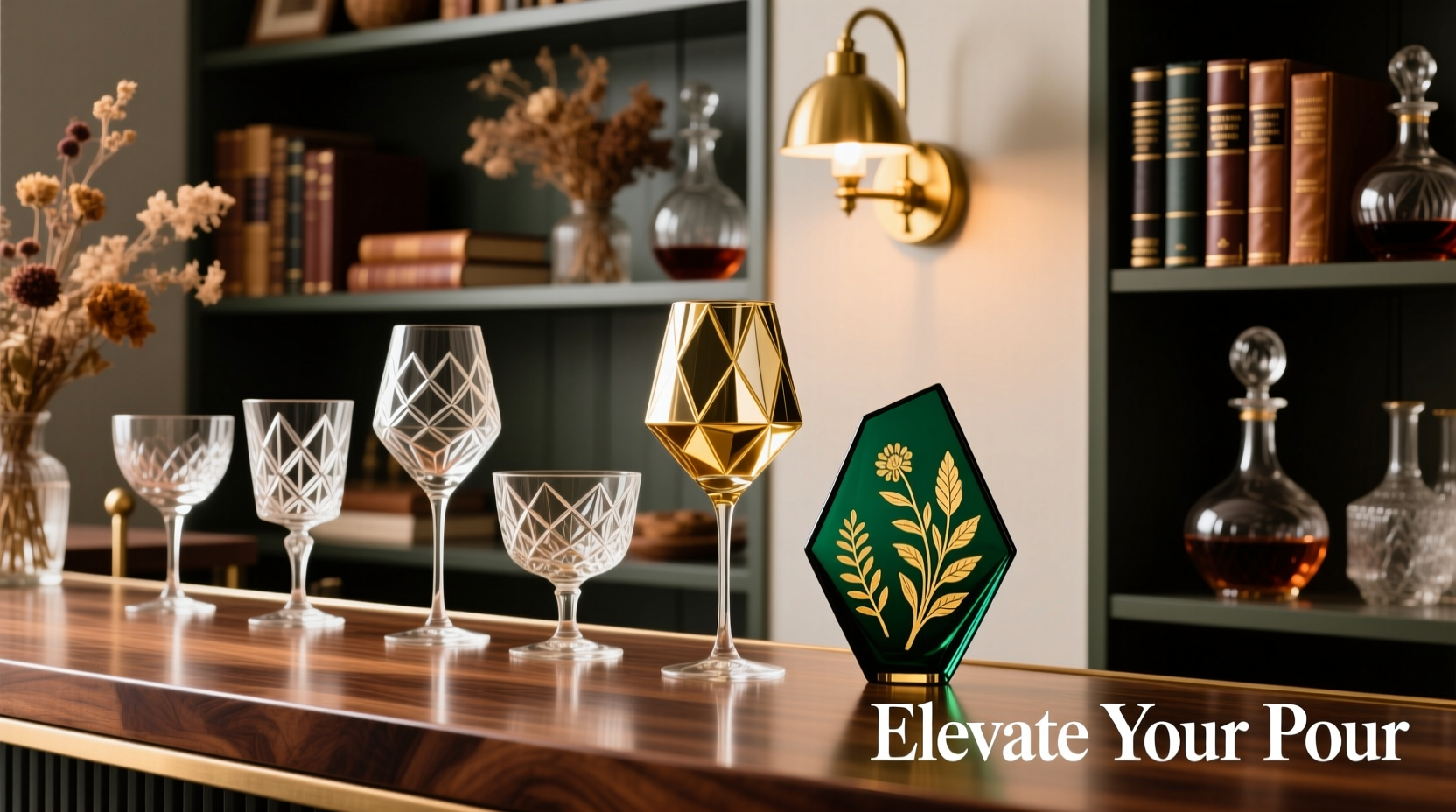
Your home bar should feel like an extension of your personality. Selecting wine glasses that align with your interior style—be it minimalist modern, rustic farmhouse, or eclectic bohemian—creates cohesion and authenticity. For instance, matte black stemless glasses complement industrial-chic decor, while delicate crystal flutes with engraved patterns enhance traditional or vintage-inspired spaces.
Consider sourcing from artisan studios or international markets. Handmade Murano glass from Italy, mouth-blown Czech crystal, or Japanese washi-paper-textured tumblers bring cultural richness and craftsmanship into your home. These pieces often feature subtle imperfections that add character and prove they were shaped by human hands, not mass production lines.
Incorporate Themed Glass Sets for Memorable Gatherings
Elevate casual tastings or dinner parties by assigning themed glass sets to different events. Instead of defaulting to neutral clear glass, curate collections based on occasion or wine type. Think “Sangria Night” with colorful, short-stemmed glasses in terracotta hues, or “Old World Reds” featuring vintage-style balloon bowls with ornate metal bases.
This approach adds narrative depth to gatherings. Guests immediately sense effort and attention to detail, which enhances their overall experience. It also encourages mindful drinking—when people appreciate the vessel as much as the beverage, they tend to sip more slowly and savor each note.
To build a theme-based system, start with three core categories:
- Weeknight Unwind: Durable, stemless glasses in earthy tones for everyday use.
- Fine Wine Evenings: Premium tulip-shaped stems that concentrate bouquet and balance acidity.
- Festive Occasions: Sparkling wine coupes or flutes with metallic finishes for celebrations.
Repurpose Non-Traditional Vessels Creatively
Distinctive doesn’t always mean conventional. Some of the most memorable home bars incorporate unexpected vessels as wine glasses. Antique silver goblets, repurposed perfume bottles with widened necks, or even small ceramic teacups can serve reds, rosés, or dessert wines with whimsy and flair.
Designer Elena Moretti notes:
“The boundary between tableware and art is blurring. A chipped porcelain cup from your grandmother’s collection might be the perfect vessel for a bold Zinfandel—it tells a story before the first sip.”
When experimenting with non-traditional options, ensure they meet basic usability standards: stable base, comfortable lip contact, and sufficient capacity (at least 5–7 oz). Avoid overly narrow openings that restrict aroma release. Test them during low-pressure settings before introducing them at formal events.
Display Glassware as Functional Art
Glassware shouldn’t hide in cabinets. Treat your distinctive wine glasses as display-worthy objects. Install floating shelves near your bar area to showcase standout pieces. Arrange them by color gradient, height, or era for visual rhythm. Backlit shelving amplifies transparency and sparkle, turning your collection into a focal point.
For homes with limited counter space, consider a wall-mounted wine glass rack with rotating arms or magnetic holders. These solutions double as sculptural installations while keeping glasses accessible and dust-free.
| Display Method | Best For | Tips |
|---|---|---|
| Floating Shelves | Curated showpieces | Use museum putty to secure delicate stems |
| Hanging Racks | Daily-use stems | Install under cabinets to save space |
| Lighted Display Case | Vintage or collectible sets | Add a humidity control pad if storing long-term |
| Open Cabinet with Trim Lighting | Mixed materials (crystal, colored glass) | Line shelves with velvet to prevent slipping |
Create a Personalized Tasting Experience
Distinctive glasses allow you to tailor the tasting journey. Use varying shapes to highlight specific characteristics in different wines. For example:
- Narrow tulip glasses for aromatic whites like Sauvignon Blanc—concentrate volatile esters.
- Wide-bowled Burgundy stems for Pinot Noir—maximize surface area for oxidation.
- Short-stemmed tumblers for chilled reds like Gamay—encourage swirling without spill risk.
This level of detail mirrors professional sommelier practices but makes them accessible at home. Invite guests to compare the same wine across two different glasses—they’ll quickly notice differences in nose intensity, perceived sweetness, and finish length.
Mini Case Study: The Brooklyn Loft Bar Transformation
Interior stylist Marcus Tran inherited a set of mismatched mid-century Danish wine glasses from his aunt—an odd assortment of smoky gray, amber, and sea-green stems. Rather than replace them, he built his entire home bar around their retro-modern vibe. He paired them with a walnut countertop, brass fixtures, and a rotating vinyl playlist from the 1960s.
The result? A bar that felt curated, nostalgic, and deeply personal. Friends began referring to it as “The Jazz Lounge,” and Marcus noticed people lingered longer, refilled less, and engaged more meaningfully over drinks. His takeaway: distinctiveness fosters connection.
Checklist: How to Upgrade Your Wine Glass Collection
Follow this actionable checklist to thoughtfully elevate your home bar:
- ✅ Audit current glassware—keep what sparks joy, donate duplicates.
- ✅ Identify your dominant décor style (modern, rustic, eclectic, etc.).
- ✅ Research independent glassmakers or sustainable brands online.
- ✅ Purchase 4–6 statement glasses to begin a featured collection.
- ✅ Designate a visible storage solution that doubles as decor.
- ✅ Host a themed tasting night to debut your new glasses.
- ✅ Rotate or expand the collection seasonally to maintain excitement.
Frequently Asked Questions
Can I mix different types of wine glasses on the same bar?
Absolutely. In fact, variety enhances visual interest and functionality. Just maintain a unifying element—such as consistent base color, material type, or stem design—to avoid chaos.
Are hand-blown glasses durable enough for regular use?
Yes, many hand-blown glasses are made with thicker, high-quality borosilicate or lead-free crystal. They’re often stronger than mass-produced alternatives. Hand-washing is recommended to preserve longevity.
How do I clean and store delicate or vintage wine glasses?
Wash gently by hand with mild detergent and warm water. Avoid sudden temperature changes. Store upright on soft surfaces or hang by the stem. For long-term storage, wrap each glass in acid-free tissue paper and place in a ventilated cabinet.
Final Thoughts: Turn Every Pour Into an Event
Your home bar doesn’t need a full renovation to feel luxurious. Sometimes, the smallest details make the biggest impact. Distinctive wine glasses offer an elegant, cost-effective way to infuse personality, sophistication, and sensory delight into your space. Whether you choose artisanal craftsmanship, family heirlooms, or boldly unconventional vessels, the key is intentionality. Each glass becomes a canvas for memory-making—one swirl, sniff, and sip at a time.




 浙公网安备
33010002000092号
浙公网安备
33010002000092号 浙B2-20120091-4
Comments
No comments yet. Why don't you start the discussion?