
In the world of interior design, it’s often the smallest details that create the most lasting impressions. A beautifully arranged dinner setting isn’t complete without thoughtful presentation—and that’s where decorative tableware stands come into play. Whether you’re displaying vintage teacups, artisanal ceramics, or handcrafted dessert plates, a well-chosen stand transforms functional items into curated art. But finding one that’s both practical and uniquely expressive can be challenging. This guide explores inventive sourcing strategies, selection criteria, and styling techniques to help you discover stands that reflect your personal taste while enhancing your home’s aesthetic.
Why Tableware Stands Matter in Home Styling
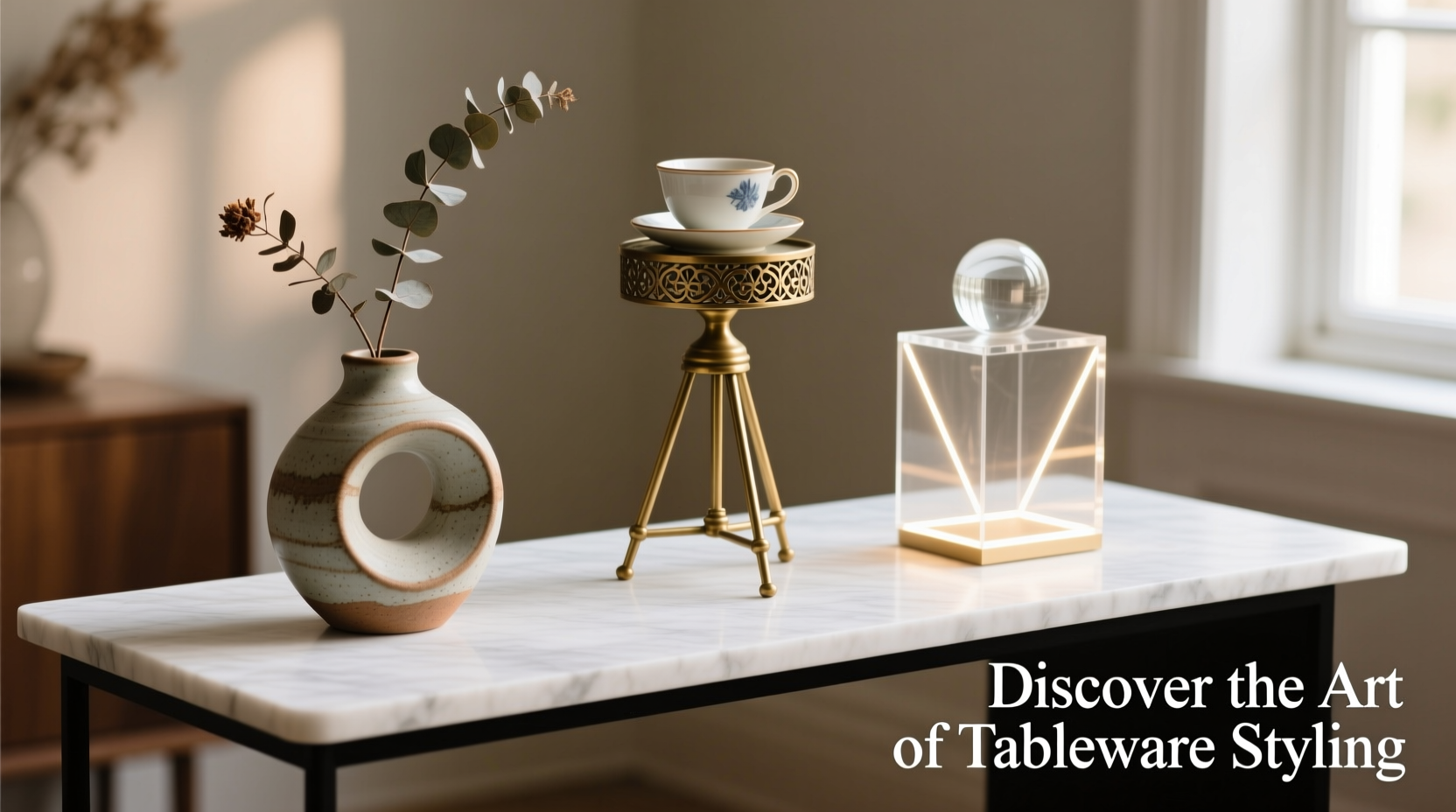
Tableware stands do more than just hold dishes—they elevate them. In open shelving, kitchen islands, or dining nooks, these accessories provide structure, height variation, and visual interest. They turn cluttered storage into intentional displays and protect delicate pieces from dust and damage. More than utility, they serve as storytelling tools: a wrought iron stand might evoke European bistro charm, while a minimalist bamboo tier speaks to Scandinavian simplicity. The right stand doesn’t just support; it enhances narrative, texture, and balance within a space.
“Display is not decoration—it’s curation. A good stand lets your tableware breathe and shine.” — Lena Torres, Interior Stylist & Author of *Everyday Elegance*
Unconventional Places to Source Unique Stands
While mainstream retailers offer safe, predictable options, truly distinctive tableware stands often come from unexpected sources. Stepping beyond big-box stores opens up a world of craftsmanship, history, and individuality.
- Vintage markets and estate sales: These are goldmines for one-of-a-kind metal, wood, or porcelain stands with patina and character. Look for silverplate cake stands, mid-century modern risers, or ornate French trays repurposed as display bases.
- Artisan fairs and craft cooperatives: Local makers frequently design functional art pieces, including sculptural ceramic pedestals or hand-carved wooden plinths tailored to dish dimensions.
- Industrial salvage shops: Repurpose factory parts like small gear wheels, cast-iron brackets, or glass laboratory trays as industrial-chic bases for modern tableware.
- Global import stores: Seek out Moroccan brass trays, Japanese lacquered boxes, or Indian jharokha-style miniature shelves—items originally designed for ceremonial use but perfect for stylized display.
- DIY and upcycling projects: Transform an old candlestick holder into a cup stand, stack vintage books under a glass plate, or combine mismatched saucers with adhesive feet to build a tiered riser.
How to Choose the Right Stand: A Practical Framework
Selecting a stand isn't just about aesthetics—it's about harmony between form, function, and environment. Use this step-by-step evaluation to ensure your choice complements both your tableware and your space.
- Assess the weight and size of your tableware. Heavy stoneware needs sturdy materials like solid wood or metal. Delicate porcelain pairs well with lighter frames such as brass or acrylic.
- Determine display location. Is it on a countertop, open shelf, or dining table? Measure available depth and height clearance before purchasing.
- Match the finish to your decor theme. Brushed nickel suits contemporary kitchens; matte black fits industrial lofts; warm walnut enhances farmhouse styles.
- Consider visibility and accessibility. If you use the items regularly, opt for low-profile stands with easy reach. For purely decorative setups, taller, dramatic tiers work best.
- Evaluate multi-functionality. Some stands double as serving trays or modular units that reconfigure for different occasions.
Material Comparison Guide
| Material | Pros | Cons | Best For |
|---|---|---|---|
| Wood (Bamboo, Walnut) | Warm tone, sustainable, stable base | Can warp if exposed to moisture | Rustic, natural, or Japandi interiors |
| Metal (Brass, Iron, Stainless Steel) | Durable, sleek, timeless luster | May scratch surfaces; heavier | Modern, glam, or vintage-inspired spaces |
| Acrylic/Glass | Invisible effect, lightweight, easy to clean | Shows fingerprints; less forgiving with sharp impacts | Minimalist or small-space settings |
| Ceramic/Pottery | Artistic, handcrafted feel, colorful options | Fragile, limited load capacity | Showcase pieces in dry, low-traffic areas |
A Real-Life Example: Curating a Display in a Brooklyn Brownstone
Sophia, a graphic designer living in a historic Brooklyn apartment, wanted to highlight her collection of hand-painted Portuguese saucers. With limited cabinet space and a love for eclectic charm, she avoided standard kitchen organizers. Instead, she visited a local salvage yard and found three mismatched iron finials—originally part of a broken balustrade. She mounted each vertically onto circular walnut slices, creating custom pedestal bases. Topped with clear acrylic discs for protection, the result was a gallery-like arrangement on her floating shelf. Not only did the stands draw attention to the vibrant patterns of her saucers, but they also became conversation starters during dinners. Her solution cost under $50, used recycled materials, and added architectural intrigue to her kitchen.
Styling Tips for Maximum Visual Impact
Once you’ve selected your stands, how you style them determines their impact. Thoughtful arrangement turns functional organization into expressive design.
- Create layers with tiered stands. Place larger plates at the bottom, smaller bowls above, and a teacup perched on top. This adds depth and mimics professional styling seen in boutique cafes.
- Mix textures deliberately. Pair a rough-hewn wooden block with smooth porcelain for contrast. Or place a glossy ceramic stand beneath matte stoneware to emphasize material differences.
- Use color blocking. Align stands with dominant hues in your kitchen backsplash or wall paint. A cobalt-blue riser can echo subway tiles, tying the display into the room’s palette.
- Incorporate greenery. Nestle a tiny potted succulent beside a stand or drape ivy over a high shelf edge to soften hard lines.
- Rotate seasonally. Swap out stands like you would artwork—lighter, airy designs in spring; darker, textured ones in fall.
Frequently Asked Questions
Can I use non-kitchen items as tableware stands?
Absolutely. Book stacks, decorative boxes, plant pots, or even small sculptures can act as temporary or permanent bases. Just ensure they’re stable and won’t scratch your dishes. Use felt pads or silicone rings for protection.
How do I keep my stands clean without damaging them?
Clean wood with a dry or slightly damp cloth—never soak. Wipe metal with a microfiber towel to prevent water spots. Acrylic and glass respond well to vinegar-based sprays. Always check manufacturer guidelines for specialty finishes.
Are expensive stands worth the investment?
If the stand is central to your kitchen’s visual identity or holds heirloom pieces, yes. High-quality materials last longer and age gracefully. However, for rotating collections or experimental styles, affordable or DIY options offer flexibility without financial risk.
Final Thoughts: Make Your Kitchen a Gallery
Your tableware tells a story—of travels taken, gifts received, meals shared. A thoughtfully chosen stand doesn’t just preserve these objects; it honors them. By exploring unconventional sources, applying practical selection criteria, and styling with intention, you transform everyday storage into meaningful display. Don’t wait for perfection. Start small: refinish an old coaster, repurpose a thrifted tray, or sketch a design for a carpenter. Every stand you introduce becomes a silent curator of your home’s personality.




 浙公网安备
33010002000092号
浙公网安备
33010002000092号 浙B2-20120091-4
Comments
No comments yet. Why don't you start the discussion?