
In a world where digital identity and physical presence increasingly merge, personal style is no longer confined to clothing or accessories. Animation peripherals—devices like RGB-lit keyboards, programmable mice, smart lighting strips, and haptic feedback wearables—are stepping out of the gaming den and into the realm of self-expression. These tools, once seen as purely functional, now offer dynamic, customizable visuals that can reflect mood, personality, and aesthetic preferences. The key lies in integrating them thoughtfully into your everyday look and lifestyle.
Far from being limited to dimly lit gaming setups, animation peripherals can be woven into fashion-forward routines, social interactions, and even professional environments. When used creatively, they become extensions of personal branding—tools that communicate individuality through light, motion, and interactivity.
Understanding Animation Peripherals Beyond Functionality
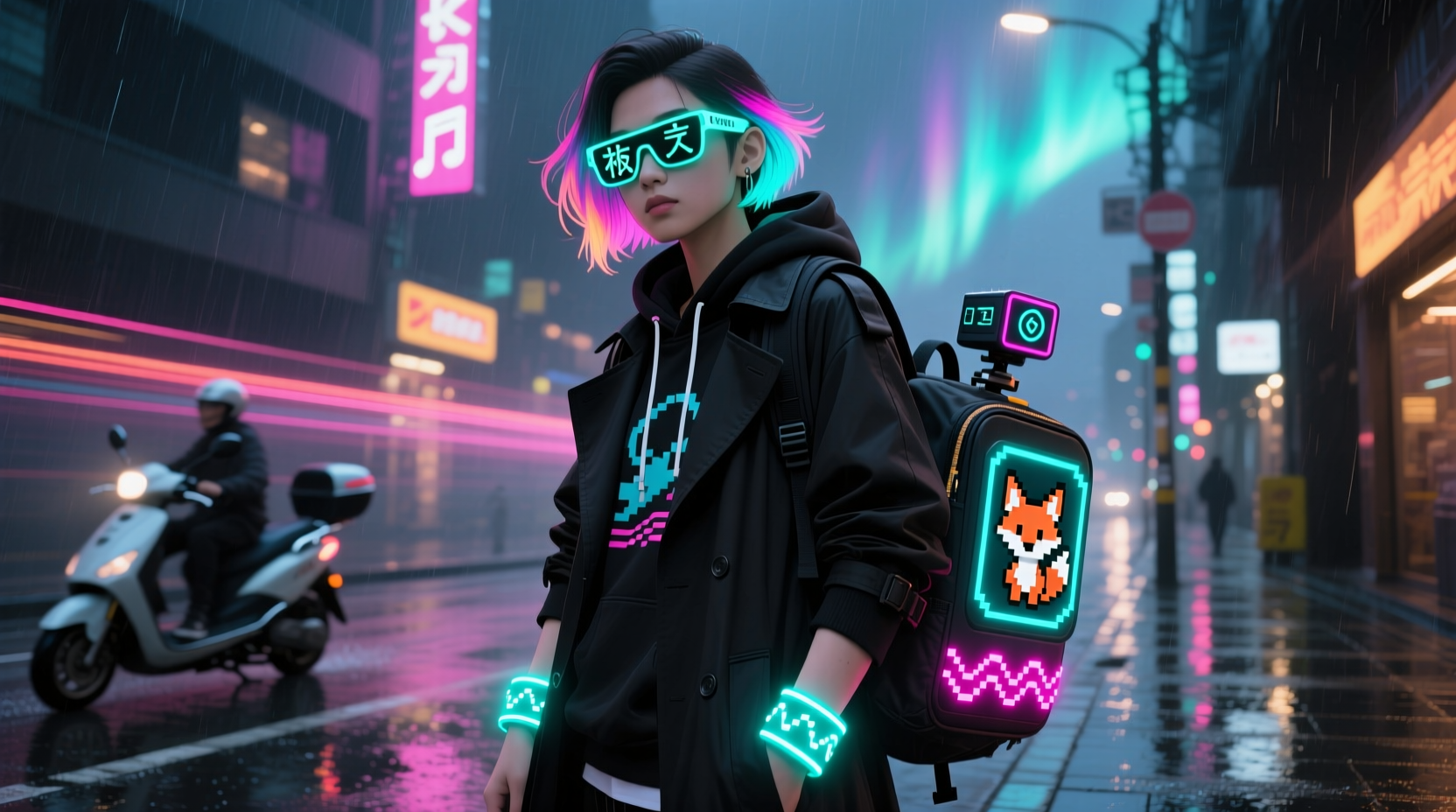
Animation peripherals are input or output devices enhanced with programmable visual or tactile effects. Common examples include:
- RGB mechanical keyboards with per-key lighting control
- Mice with animated scroll wheels or underglow lighting
- Smart LED strips synchronized with music or screen content
- Haptic jewelry or wearable controllers with responsive feedback
- Programmable badges or lapel pins using micro-LEDs
While originally designed for usability cues or immersion in gaming, these features have evolved into expressive mediums. Lighting patterns can pulse with your heartbeat (via biometric sync), shift colors based on your calendar events, or react to voice tones during conversation. This transforms static accessories into responsive elements of personal style.
“Technology doesn’t have to be invisible to be elegant. Animated peripherals, when curated intentionally, become wearable art.” — Lena Torres, Digital Fashion Researcher at MIT Media Lab
Styling Animation Peripherals for Everyday Wear
The most effective integrations of animation peripherals into personal style balance visibility with subtlety. Consider how light interacts with fabric, skin tone, and environment. A bright magenta glow might suit a concert but overwhelm a coffee meeting. Here’s how to adapt:
Wearable Tech as Statement Jewelry
Programmable rings, bracelets, or collar clips with micro-animations can replace traditional accessories. For instance, a translucent resin bracelet embedded with addressable LEDs can cycle through soft gradients during a night out or flash discreetly when you receive a message. Pair it with minimalist attire to keep focus on the piece.
Designers like Keiichi Matsuda have showcased “data jewelry” in conceptual collections—pieces that visualize social media activity or environmental data through gentle pulses. While not yet mainstream, DIY kits from platforms like Adafruit allow early adopters to build custom wearable animations.
Footwear and Animated Insoles
Shoes with built-in pressure-sensitive LEDs respond to movement, making each step part of a kinetic display. Some models sync with smartphone apps to change color themes based on weather or playlist genre. Imagine walking into a party with sneakers that ripple blue when you play ambient music or flare red during upbeat tracks.
To style this effectively, choose footwear with clean lines and monochrome uppers so the lights remain the focal point. Avoid pairing with already-busy patterns unless going for maximalist cyberpunk aesthetics.
Syncing Your Environment with Personal Aesthetic
Your surroundings amplify your style. Animation peripherals don’t stop at what you wear—they extend to what surrounds you. Smart integration means creating cohesion between body, device, and space.
| Peripheral | Style Application | Best Paired With |
|---|---|---|
| RGB Desk Lamp | Adjusts hue based on time of day or mood | Neutral workwear, wooden furniture |
| Animated Lapel Pin | Displays initials or emojis via micro-display | Tailored blazers, interview outfits |
| Haptic Feedback Watchband | Pulses gently for notifications or reminders | Sleek watches, business casual |
| Sound-Reactive Earbud Case | Lights dance to nearby audio rhythms | Streetwear, festival looks |
Real Example: Maya’s Creative Workflow Integration
Maya, a UX designer and digital artist, uses her workspace as an extension of her personal brand. Her desk features a keyboard with soft cyan breathing animation, matching her white desk mat and clear acrylic monitor stand. She wears a thin silicone wristband with a hidden LED strip that glows amber when she enters deep work mode—a signal to colleagues not to interrupt.
During client calls, she switches her peripherals to a warm gradient theme that matches her scarf and background lighting. Her laptop lid has a removable magnetic panel with a tiny animated GIF display showing abstract shapes. Clients often comment on the “calming tech vibe,” which reinforces her image as innovative yet approachable.
Step-by-Step Guide to Building Your Animated Style System
Start small and scale intentionally. Follow this timeline to integrate animation peripherals without overwhelming your routine:
- Week 1–2: Audit Your Current Devices – List all tech you carry daily (phone, watch, headphones). Note which support customization via apps like Razer Synapse, Corsair iCUE, or Philips Hue.
- Week 3–4: Choose One Entry Point – Pick one peripheral to personalize (e.g., a mouse with underglow). Set three presets: Work (soft white), Social (gentle rainbow wave), Focus (steady blue).
- Month 2: Expand to Wearables – Add a programmable accessory like an LED ring or haptic bracelet. Sync it to calendar events (e.g., purple pulse before meetings).
- Month 3: Environment Syncing – Connect desk lights or a speaker strip to mirror your wearable’s state. Use IFTTT or Home Assistant for automation.
- Ongoing: Theme Rotation – Change your palette monthly (e.g., pastels in spring, neon in summer) to keep your look fresh and intentional.
Avoiding Common Pitfalls
Overuse kills elegance. Flashing lights everywhere appear chaotic rather than curated. Keep these do’s and don’ts in mind:
| Do | Don't |
|---|---|
| Use animation to highlight one focal point per look | Run all devices on rainbow strobe simultaneously |
| Match speed and brightness to context (slow pulse for dinner, vibrant for concerts) | Ignore battery life—animated gear drains faster |
| Test combinations in natural light before public wear | Assume everyone finds blinking lights appealing |
Frequently Asked Questions
Can animation peripherals be professional?
Yes—when used subtly. A muted keyboard glow in a boardroom or a sleek badge with a single-color pulse can signal technical fluency without distraction. The key is restraint and alignment with workplace culture.
Are these devices only for gamers or tech enthusiasts?
No longer. Brands like Logitech, Dell, and even luxury collaborations (e.g., Gentle Monster x Dior with AR features) are normalizing animated elements in mainstream fashion and productivity tools. Accessibility has improved significantly.
How do I explain my animated accessories to others?
Frame them as interactive art or personal signaling tools. For example: “This bracelet glows when I’m in focus mode—it helps me stay present.” Most people respond positively when purpose is clear.
Conclusion: Make Technology Part of Your Narrative
Personal style today isn’t just about what you wear—it’s about how you move through the world with intention. Animation peripherals offer a new dimension of expression: one that responds, evolves, and interacts. Whether it’s a softly pulsing earpiece during a walk or a jacket with integrated rhythm-reactive seams, these tools let you tell stories without words.
You don’t need to overhaul your wardrobe overnight. Start with one animated element. Experiment. Observe reactions. Refine. Let your tech reflect who you are—not just what you do.




 浙公网安备
33010002000092号
浙公网安备
33010002000092号 浙B2-20120091-4
Comments
No comments yet. Why don't you start the discussion?