
Ginger jars have long been a symbol of refined taste, blending Eastern craftsmanship with Western design sensibilities. Originally used in China to store spices, tea, and preserved foods, these porcelain vessels are now celebrated as decorative icons in modern interiors. Their hand-painted cobalt blue and white motifs—often featuring florals, dragons, or intricate geometric borders—are instantly recognizable and effortlessly elegant. While traditional ginger jars remain popular, it’s the pattern itself that has inspired a new wave of decor applications far beyond the vase. By integrating ginger jar motifs into textiles, wall treatments, furniture, and accessories, homeowners can achieve a look that feels both classic and fresh.
Elevate Walls with Ginger Jar Wallpaper and Murals
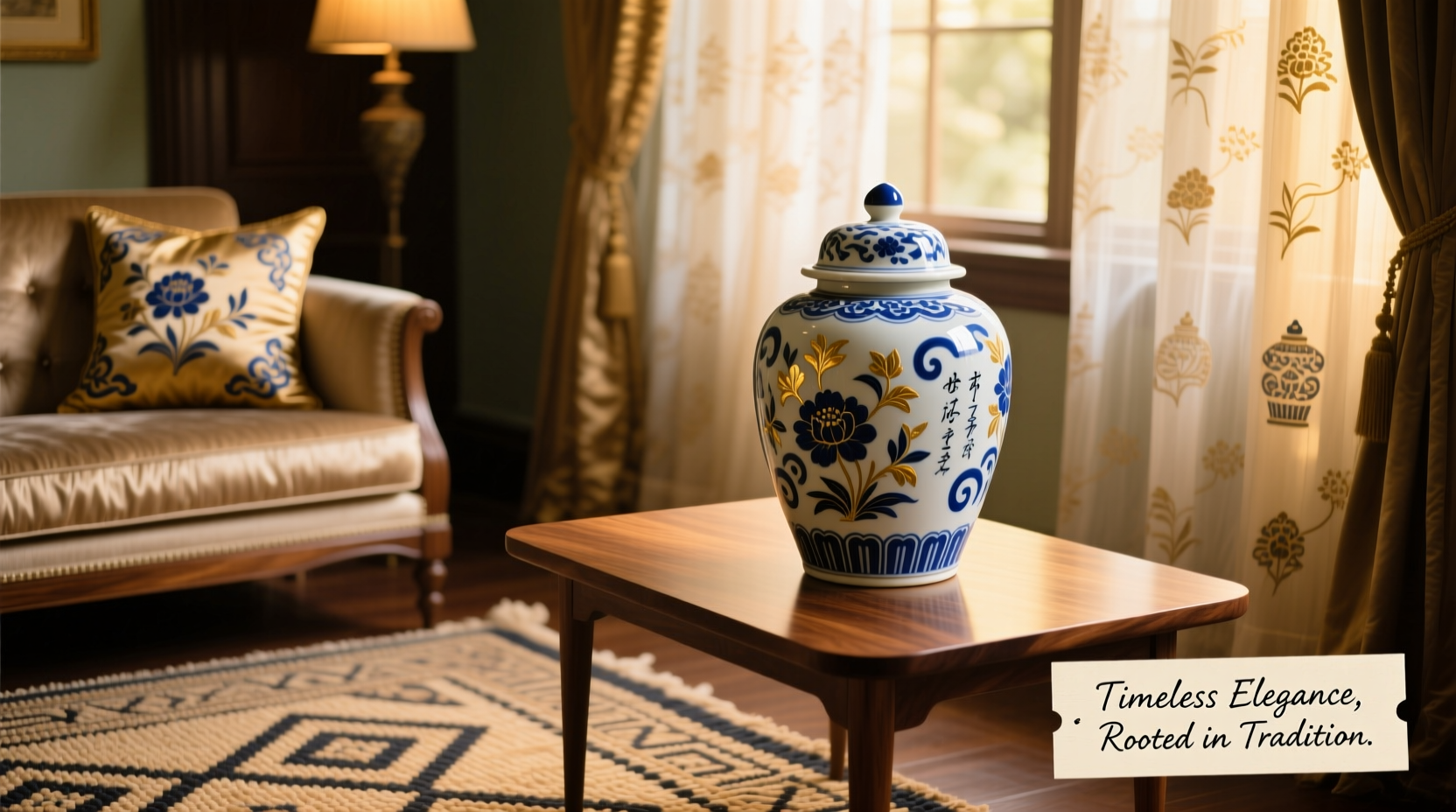
One of the boldest yet most rewarding ways to embrace ginger jar patterns is through wallpaper. A feature wall adorned with repeating ginger jar designs instantly becomes a focal point, evoking the opulence of 18th-century chinoiserie without appearing outdated. Modern printing techniques allow for subtle color variations—think soft sage green, blush pink, or charcoal gray—to suit contemporary palettes while maintaining historical authenticity.
For smaller spaces like powder rooms, entryways, or reading nooks, a partial installation using framed ginger jar prints or peel-and-stick decals offers flexibility. These options let you experiment with scale and placement before committing to full coverage. When pairing with paint, opt for neutral backdrops such as warm whites, greige, or deep navy to let the pattern shine.
Integrate Patterns Through Soft Furnishings
Textiles provide an accessible entry point for incorporating ginger jar motifs. Look for cushions, drapes, table runners, and bedding featuring scaled-down versions of the classic blue-and-white design. These elements introduce pattern without overwhelming a room, especially when balanced with solid-colored upholstery or natural fiber rugs.
To maintain cohesion, repeat the dominant color from the ginger jar print elsewhere in the space—such as in ceramic vases, throw blankets, or artwork frames. This creates visual harmony and prevents the pattern from feeling isolated or disjointed.
“Pattern layering works best when there’s a clear hierarchy. Let one motif lead—like ginger jar fabric on dining chairs—then support it with simpler textures.” — Lila Chen, Interior Stylist & Textile Designer
Checklist: How to Style Ginger Jar Pillows and Curtains
- Choose fabrics with a tight weave for durability (e.g., cotton-linen blends)
- Mix scale: pair large jar prints with smaller accent patterns like trellis or dot
- Anchor with neutral furniture—cream sofas, walnut tables, rattan accents
- Add metallic touches (brass lamps, gold-framed mirrors) to elevate the look
- Rotate seasonal textiles to keep the theme dynamic but not monotonous
Furniture Makeovers with Decoupage and Stenciling
Transform outdated or plain furniture into statement pieces by applying ginger jar motifs through decoupage or stenciling. Flat-panel surfaces like drawer fronts, cabinet doors, or coffee table tops offer ideal canvases. For decoupage, use high-quality printed paper or fabric cutouts sealed with multiple layers of water-based varnish for protection.
Stencils provide more control for DIYers seeking precision. Align pre-cut ginger jar templates along the edges of a sideboard or bookshelf, then paint with acrylics in traditional cobalt and white. Once dry, seal with a clear topcoat to prevent chipping. This method adds character to thrifted finds, aligning vintage appeal with timeless design.
Tabletop Elegance: Dining and Entertaining with Ginger Jar Motifs
Dining settings offer a natural context for ginger jar patterns, where their heritage roots in storage and preservation come full circle. Use ginger jar-printed dinnerware for formal gatherings, or mix and match plates with solid-colored rims to soften the visual impact. Pair with crisp white linens and fresh floral arrangements—peonies, gardenias, or cherry branches—for a cohesive aesthetic.
Centerpieces made from actual antique or reproduction ginger jars filled with silk blooms, dried grasses, or taper candles add height and drama. Cluster three jars of varying sizes on a mirrored tray for added glamour.
| Application | Best For | Avoid |
|---|---|---|
| Ginger jar wallpaper | Accent walls, powder rooms, hallways | Overuse in large open-plan spaces |
| Printed textiles | Cushions, curtains, tablecloths | Direct sunlight (causes fading) |
| Painted furniture | Sideboards, nightstands, cabinets | High-wear surfaces without sealing |
| Dinnerware & serveware | Formal dining, holiday tables | Mixing too many competing patterns |
Mini Case Study: Reviving a Traditional Dining Room
Sarah M., a homeowner in Charleston, SC, wanted to refresh her formal dining room without losing its historic character. The space had dark wood paneling and traditional molding but felt dated. She introduced a ginger jar-inspired wallpaper on the buffet wall, selecting a version with faded blue hues to complement the existing warmth.
She reupholstered her dining chairs in a linen fabric printed with miniature ginger jars, added a set of vintage-style porcelain plates, and placed a pair of authentic 19th-century ginger jars atop the sideboard. The transformation was immediate: the room felt curated and intentional, balancing Southern tradition with global flair. Guests consistently remarked on the “effortless elegance” of the space.
Step-by-Step Guide: Creating a Ginger Jar Accent Wall
- Measure and plan layout: Determine which wall will serve as the focal point and measure its dimensions.
- Select wallpaper: Choose a ginger jar pattern that complements your existing color scheme and ceiling height.
- Prepare the surface: Clean the wall, patch imperfections, and apply primer if needed.
- Hang the paper: Start from a plumb line, smoothing each strip with a wallpaper brush to eliminate bubbles.
- Trim edges: Use a sharp utility knife along baseboards and ceiling for clean lines.
- Seal (optional): In high-humidity areas, apply a clear vinyl coating to protect against moisture.
- Style: Add framed art, sconces, or shelving to integrate the pattern into the overall decor.
Frequently Asked Questions
Are ginger jar patterns considered outdated?
No. While rooted in tradition, ginger jar motifs remain relevant due to their adaptability. When paired with modern materials—such as polished concrete floors, minimalist lighting, or abstract art—they take on a fresh, curated feel rather than appearing antiquated.
Can I use ginger jar patterns in a small apartment?
Yes, but with restraint. Opt for smaller-scale prints on throw pillows, a single upholstered chair, or framed art. Avoid floor-to-ceiling wallpaper unless the space has ample natural light. Instead, consider a ginger jar-themed gallery wall for a bold yet compact statement.
Where can I find authentic ginger jar designs?
Reputable sources include specialty home boutiques, online marketplaces like Etsy or Chairish, and brands such as Schumacher, Hygge & West, and Ballard Designs. For true antiques, consult Asian art dealers or auction houses specializing in ceramics.
Final Thoughts: Embrace Timeless Design with Intention
Ginger jar patterns transcend trends because they speak to a deeper appreciation for craftsmanship, history, and beauty. Whether applied subtly through a cushion or dramatically across an entire wall, these motifs bring sophistication and narrative depth to any interior. The key lies in balance—honoring the pattern’s heritage while adapting it to your personal style and lifestyle needs.




 浙公网安备
33010002000092号
浙公网安备
33010002000092号 浙B2-20120091-4
Comments
No comments yet. Why don't you start the discussion?