
A cluttered spice drawer or countertop is more than just an eyesore—it slows down cooking, leads to expired ingredients, and creates unnecessary stress. Ceramic spice jars offer durability, aesthetic charm, and functional advantages over plastic or glass alternatives. With their non-porous surfaces and resistance to staining and odors, they’re ideal for long-term storage. But simply owning a ceramic set isn’t enough. True efficiency comes from thoughtful organization. This guide explores innovative, practical strategies to maximize the utility of your ceramic spice collection while transforming your kitchen into a streamlined, inspiring space.
Why Choose Ceramic Spice Jars?
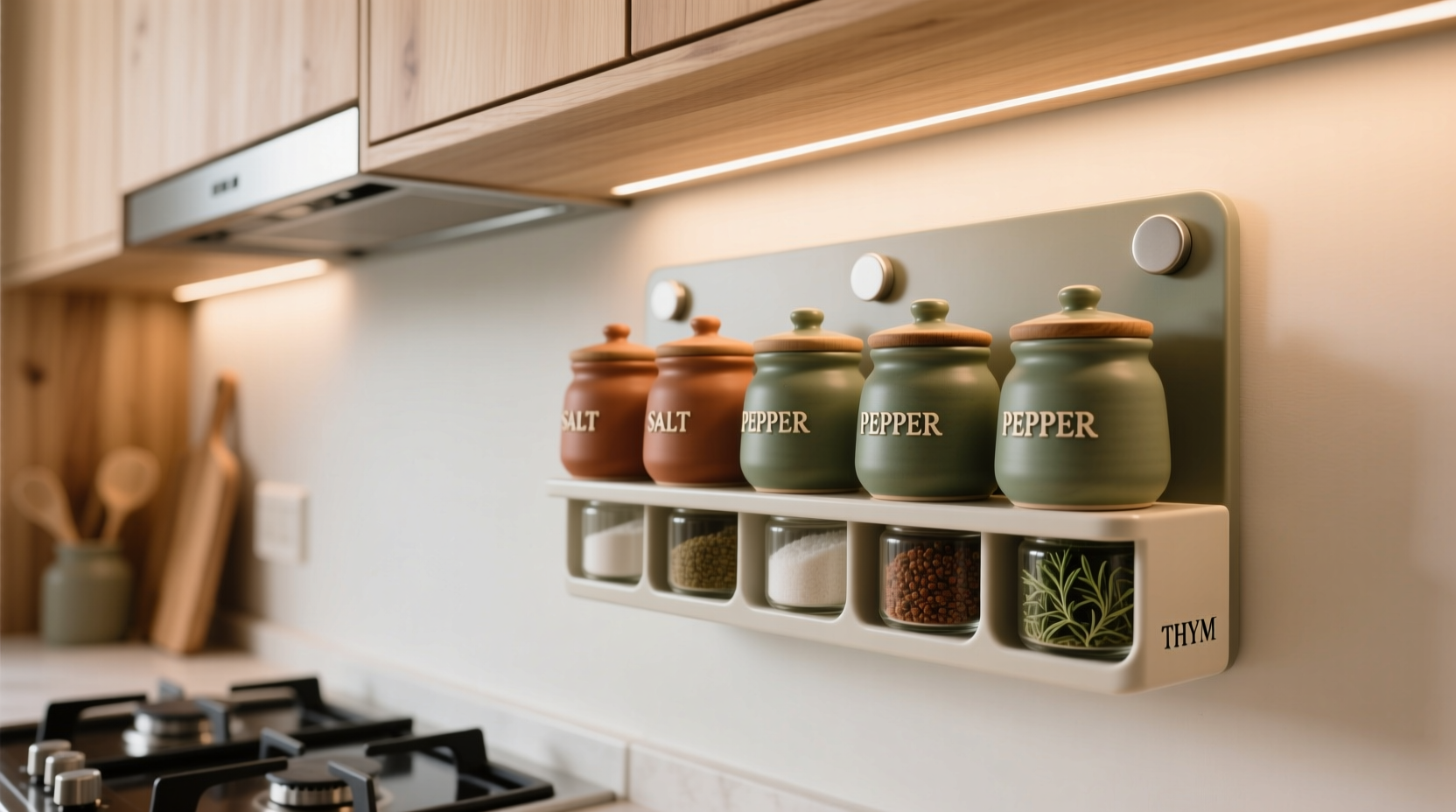
Ceramic has long been favored in kitchens not only for its timeless appearance but also for its performance. Unlike plastic, which can absorb odors and degrade under heat, ceramic maintains integrity over time. It blocks light effectively—critical for preserving volatile compounds in spices like cumin, paprika, and turmeric. Additionally, ceramic’s thermal stability prevents rapid temperature shifts that can degrade flavor profiles.
“Ceramic containers are among the best options for spice preservation because they regulate moisture and block UV light naturally.” — Dr. Lila Nguyen, Food Preservation Specialist, Culinary Institute of America
Beyond function, ceramic sets elevate kitchen aesthetics. Available in matte glazes, handcrafted textures, and custom labeling options, they turn utilitarian storage into a design feature. When paired with smart organizational systems, these jars become both beautiful and highly efficient tools.
Step-by-Step: Organizing Your Spices with Ceramic Jars
Transforming your spice system requires planning and consistency. Follow this timeline to create a sustainable, user-friendly setup.
- Inventory & Audit (Day 1): Remove all spices from cabinets or drawers. Check expiration dates—whole spices last up to 3–4 years, ground spices about 2–3. Discard anything stale, clumped, or odorless.
- Select Your Ceramic Set (Day 2): Choose uniform jars with wide mouths for easy scooping and filling. Opt for airtight lids with silicone seals to prevent moisture ingress.
- Label Strategically (Day 3): Use chalkboard labels, engraved tags, or waterproof stickers. Include spice name, purchase date, and reorder alert symbol if needed.
- Group by Frequency & Cuisine (Day 4): Separate daily-use spices (salt, pepper, garlic powder) from occasional ones (sumac, fenugreek). Group by culinary tradition (Italian, Indian, Mexican).
- Install Storage System (Day 5): Decide on placement—drawer, wall shelf, turntable, or backsplash rack—and install accordingly.
Smart Storage Solutions for Ceramic Spice Sets
The location and layout of your spice jars significantly impact usability. Consider these five proven configurations:
- Rotating Turntable (Lazy Susan): Ideal for deep cabinets. Place frequently used spices toward the front edge for quick access.
- Drawer Inserts with Grids: Custom dividers keep ceramic jars upright and prevent rolling. Label each slot for intuitive return after use.
- Magnetic Backsplash Rails: Mount metal strips on the wall behind the stove. Attach magnetic ceramic jars for instant visibility and one-handed access.
- Under-Cabinet Hanging Racks: Save counter space by suspending small shelves beneath upper cabinets. Best for lightweight ceramic models.
- Countertop Tiered Stand: Use staggered levels to display labels clearly. Perfect for open-plan kitchens where aesthetics matter.
For small kitchens, vertical solutions like rail-mounted jars free up valuable surface area. In larger spaces, consider dedicating a pull-out pantry drawer with labeled zones for different spice families.
Do’s and Don’ts of Ceramic Spice Jar Maintenance
| Do | Don’t |
|---|---|
| Wash jars in warm water with mild soap before first use | Use abrasive scrubbers that can scratch glaze |
| Dry thoroughly before refilling to prevent mold | Store near stovetops where humidity and heat fluctuate |
| Use a funnel when refilling to avoid spills | Expose jars to direct sunlight for extended periods |
| Rotate stock using FIFO (First In, First Out) | Over-tighten lids, which may crack ceramic rims |
| Label with indelible ink or removable tags | Place wet spoons inside jars—introduces moisture |
Real-Life Example: A Home Chef’s Transformation
Sophia M., a home cook and meal-prep enthusiast from Portland, struggled with disorganized spices stored in mismatched containers. “I’d waste time searching for cumin during dinner rush,” she recalls. After investing in a 12-piece matte white ceramic set, she implemented a drawer-based grid system grouped by cuisine: Mediterranean on the left, Asian in the center, Latin American on the right. She added black-on-white printed labels and placed a foldable acrylic riser behind the back row for visibility.
The result? Her average seasoning time dropped from 45 seconds to under 15. “Now I don’t have to open every jar to smell what’s inside. The colors match my kitchen, and I actually enjoy reaching for them now,” she says. Six months later, she expanded to a second set for baking spices, stored separately to avoid flavor transfer.
Maximizing Efficiency Through Smart Labeling & Rotation
Even the most elegant ceramic jars lose value if contents aren’t identifiable or systematically managed. Adopt restaurant-style labeling standards:
- Use consistent font size and color contrast (e.g., black text on cream background).
- Add icons or color-coding: red for heat (chili, cayenne), green for herbs (basil, thyme).
- Include purchase and opening dates to track freshness.
Implement a quarterly rotation ritual: remove all jars, wipe interiors, inspect for clumping, and reorganize based on current cooking habits. Seasonal shifts—like grilling in summer or baking in winter—should influence placement priority.
“Organization isn’t a one-time task. It’s a habit. The best systems adapt as your cooking evolves.” — Marcus Tran, Professional Organizer & Kitchen Design Consultant
Frequently Asked Questions
Can I store homemade spice blends in ceramic jars?
Absolutely. Ceramic is excellent for custom mixes like taco seasoning, curry powders, or herbes de Provence. Just ensure all ingredients are completely dry before combining, and label clearly with blend name and date.
How do I clean stained ceramic spice jars?
Create a paste of baking soda and water, apply with a soft sponge, and let sit for 10 minutes before rinsing. For stubborn stains, add a few drops of white vinegar. Avoid dishwashers unless manufacturer-approved, as thermal shock may crack ceramic.
Are ceramic spice jars oven-safe?
No. While ceramic withstands high temperatures in kilns, sudden changes (like moving from fridge to hot stove) can cause cracking. These jars are designed for storage, not cooking.
Final Checklist: Launch Your Optimized Spice System
- Discard expired or degraded spices
- Purchase a cohesive ceramic set with airtight lids
- Wash and dry all jars before use
- Refill using a funnel and include a small scoop
- Label each jar with name, date, and optional icon
- Choose a storage method (drawer, turntable, rail, etc.)
- Arrange by frequency and cuisine type
- Schedule a quarterly refresh and rotation
Conclusion: Elevate Your Kitchen One Jar at a Time
Organizing your spices with a ceramic set isn’t just about tidiness—it’s about creating a kitchen that supports creativity, reduces friction, and reflects care. When every ingredient has a clear place and purpose, cooking becomes less chore and more joy. The tactile feel of ceramic, the clarity of labeling, and the ease of access all contribute to a seamless experience. Whether you're a weeknight warrior or weekend gourmet, a well-designed spice system pays dividends in time, flavor, and confidence.




 浙公网安备
33010002000092号
浙公网安备
33010002000092号 浙B2-20120091-4
Comments
No comments yet. Why don't you start the discussion?