
Dog toys with squeakers hold a special place in every pup’s heart. The high-pitched sound triggers instinctual hunting behaviors, making playtime more engaging and mentally stimulating. But over time, squeakers fail—either from punctures, moisture damage, or general wear. Instead of discarding a beloved toy, consider restoring or enhancing its squeak. With a few clever techniques, you can extend the life of your dog’s favorite plaything, reduce waste, and keep tails wagging.
Why Squeakers Fail and When to Intervene
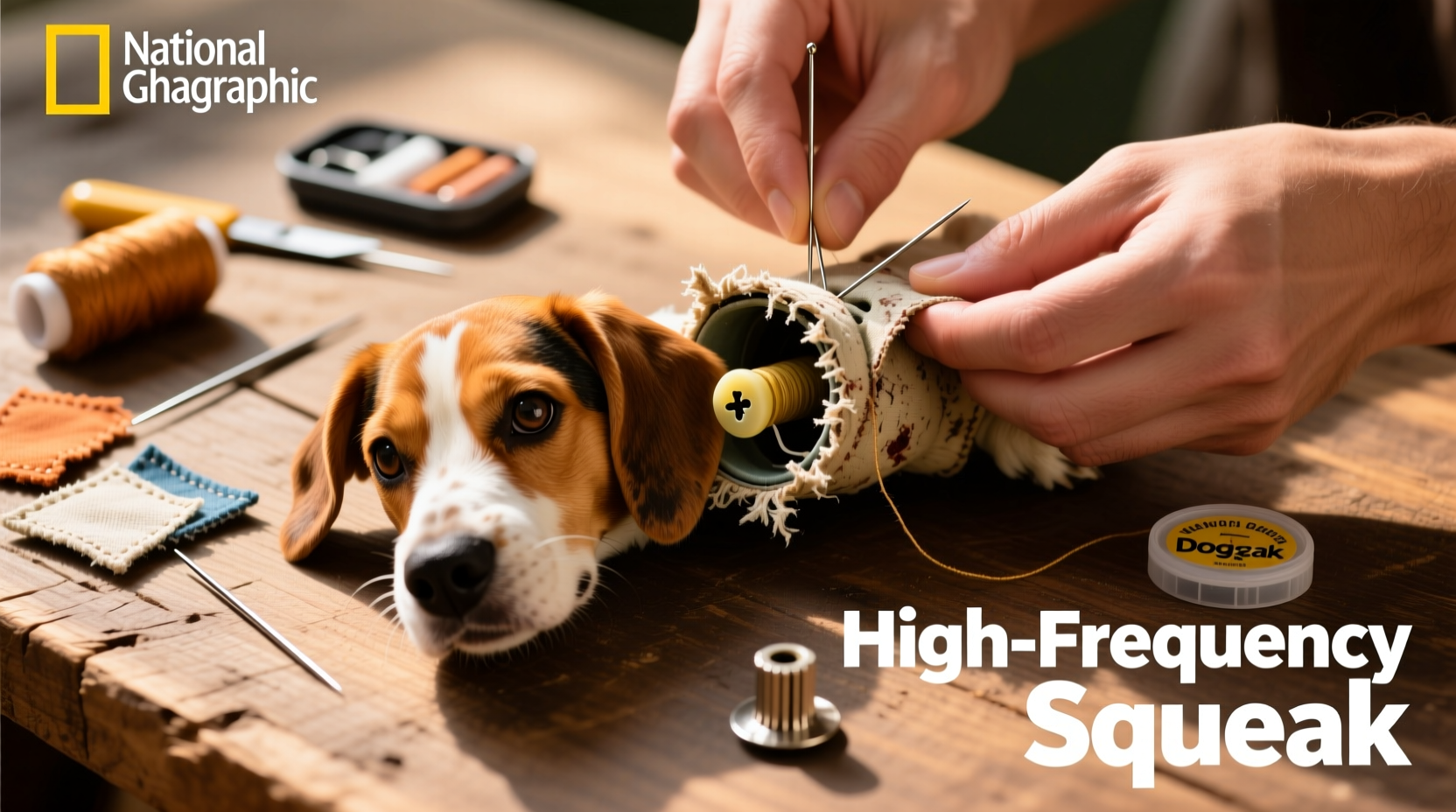
Squeakers are typically small plastic or rubber diaphragms that produce sound when compressed. Common reasons for failure include:
- Punctures or tears from sharp teeth or claws
- Moisture exposure leading to internal corrosion or mold
- Wear and fatigue from repeated compression
- Loose connections between the squeaker and housing
Not every broken squeaker needs replacement. Sometimes, the issue is minor—a trapped air bubble, dampness, or misalignment. Early intervention can prevent total loss and avoid unnecessary spending on new toys.
Step-by-Step Guide to Restoring a Faded Squeak
If your dog’s toy has gone silent but appears intact, restoration may be possible without disassembly. Follow this timeline to revive the squeak:
- Day 1 – Dry Thoroughly: If the toy has been chewed or exposed to water, leave it in a dry, well-ventilated area for 24 hours. Moisture inside the squeaker chamber mutes sound.
- Day 2 – Gentle Compression: Squeeze the toy slowly and repeatedly. This can reposition the internal mechanism or clear blockages.
- Day 3 – Warm Air Exposure: Use a hairdryer on low heat (held 12 inches away) for 30 seconds. Heat can expand trapped air and reactivate the diaphragm.
- Day 4 – Test Play: Allow supervised play. If the squeak returns weakly, repeat compression and drying.
This method works best for toys with intact exteriors and mild moisture damage. If no sound returns after three cycles, internal repair or enhancement may be necessary.
Creative DIY Enhancements for Lasting Squeaks
When simple fixes don’t work, upgrade the toy instead of replacing it. These enhancements blend practicality with creativity:
- Add a Secondary Squeaker: Insert a spare squeaker (available online or salvaged from another toy) into a side seam. Sew or glue securely to create dual sounds.
- Reinforce with Fabric Patches: Use denim or canvas patches to strengthen chew-prone areas. This indirectly protects the squeaker by reducing toy degradation.
- Sound Layering: Combine a squeaker with crinkle material (e.g., recycled chip bags) or small jingle bells sewn into pockets. Even if the squeaker fails, auditory stimulation continues.
- Modular Design: Convert a single-chamber toy into a multi-component one. Attach a separate squeaker pouch via Velcro or snaps for easy future replacement.
These modifications not only prolong play value but also allow customization based on your dog’s preferences—some pups love high-pitched squeals, others respond better to crinkles or chimes.
Do’s and Don’ts of Squeaker Toy Maintenance
| Do’s | Don’ts |
|---|---|
| Inspect toys weekly for wear | Leave damaged toys unattended during play |
| Hand-wash with mild soap and air-dry | Machine wash or tumble dry squeaky toys |
| Store in a cool, dry place | Expose toys to direct sunlight or humid basements |
| Use pet-safe adhesives for repairs | Glue parts that your dog could ingest |
| Rotate toys to reduce overuse | Allow aggressive chewers unlimited access to soft squeakers |
Mini Case Study: Reviving Max’s Favorite Dinosaur
Max, a 3-year-old Australian Shepherd, had a stuffed dinosaur toy he’d played with daily for nearly a year. One day, the squeak vanished. His owner, Sarah, noticed the toy was slightly damp from outdoor play and had a small tear near the tail.
Instead of throwing it away, she followed a restoration process:
- She dried the toy for 48 hours near a dehumidifier.
- Used a needle and strong thread to close the tear.
- Inserted a spare squeaker from an old rabbit toy into the chest pocket and secured it with fabric glue.
- Added a crinkle layer using a cleaned potato chip bag, sealed in a small cloth pouch.
After reintroducing the toy, Max responded enthusiastically—the mix of partial squeak and crinkle reignited his interest. Six months later, the toy remains a favorite, now part of a rotation system that extends its lifespan even further.
Expert Insight on Toy Longevity and Canine Behavior
“Dogs form emotional attachments to their toys, especially those with consistent sensory feedback like squeaking. Restoring a familiar toy isn’t just economical—it supports behavioral stability and mental enrichment.” — Dr. Lena Torres, Veterinary Ethologist
Dr. Torres emphasizes that sudden removal of a favorite toy can cause mild stress or anxiety in sensitive dogs. Thoughtful restoration maintains continuity in play patterns while promoting sustainability.
Checklist: How to Restore and Enhance a Squeaky Toy
Follow this actionable checklist for successful squeaker maintenance:
- ✅ Assess the toy: Is the squeaker missing, damaged, or just silent?
- ✅ Dry thoroughly if moisture is suspected
- ✅ Test compression and listen for faint sounds
- ✅ Repair outer fabric with stitching or pet-safe patching
- ✅ Replace or add a new squeaker (ensure secure placement)
- ✅ Reinforce high-chew zones with durable materials
- ✅ Add alternative sound elements (crinkle, bells) for backup stimulation
- ✅ Clean and sanitize before returning to your dog
- ✅ Monitor during initial post-repair play sessions
- ✅ Implement a toy rotation schedule to prevent overuse
Frequently Asked Questions
Can I use regular glue to fix a squeaker toy?
No. Standard household glues may contain toxic chemicals. Use pet-safe, non-toxic adhesives labeled for fabric or crafts, and ensure all glued parts are inaccessible to chewing.
Where can I buy replacement squeakers?
Replacement squeakers are available on pet supply websites like Chewy, Amazon, or specialty craft stores. Look for sizes matching your toy’s cavity—typically ranging from 1” to 2” in diameter.
Is it safe to give my dog a repaired squeaky toy?
Yes, if done correctly. Ensure no loose parts, toxic materials, or frayed edges remain. Always supervise the first few play sessions after repair to confirm safety.
Conclusion: Keep the Fun Going with Smart Care
Restoring and enhancing squeaky dog toys isn’t just about saving money—it’s about understanding your dog’s emotional connection to play and supporting sustainable pet ownership. With a little creativity and consistent care, a silent toy can roar back to life, delivering countless more minutes of joy, exercise, and bonding.




 浙公网安备
33010002000092号
浙公网安备
33010002000092号 浙B2-20120091-4
Comments
No comments yet. Why don't you start the discussion?