
WhatsApp is often seen as a simple messaging tool, but its potential for creative expression—especially around music—is vastly underused. While most people limit their musical activity to posting song snippets in status updates, there’s a rich world of interactive, personal, and even collaborative possibilities waiting to be explored. From synchronized listening sessions to playful audio challenges, the app can become a dynamic platform for sharing sound in meaningful ways.
With over 2 billion users globally, WhatsApp offers unmatched reach and immediacy. When leveraged creatively, it transforms from a communication channel into a shared sonic space—ideal for strengthening bonds, sparking joy, and celebrating culture through music.
Host Virtual Listening Parties
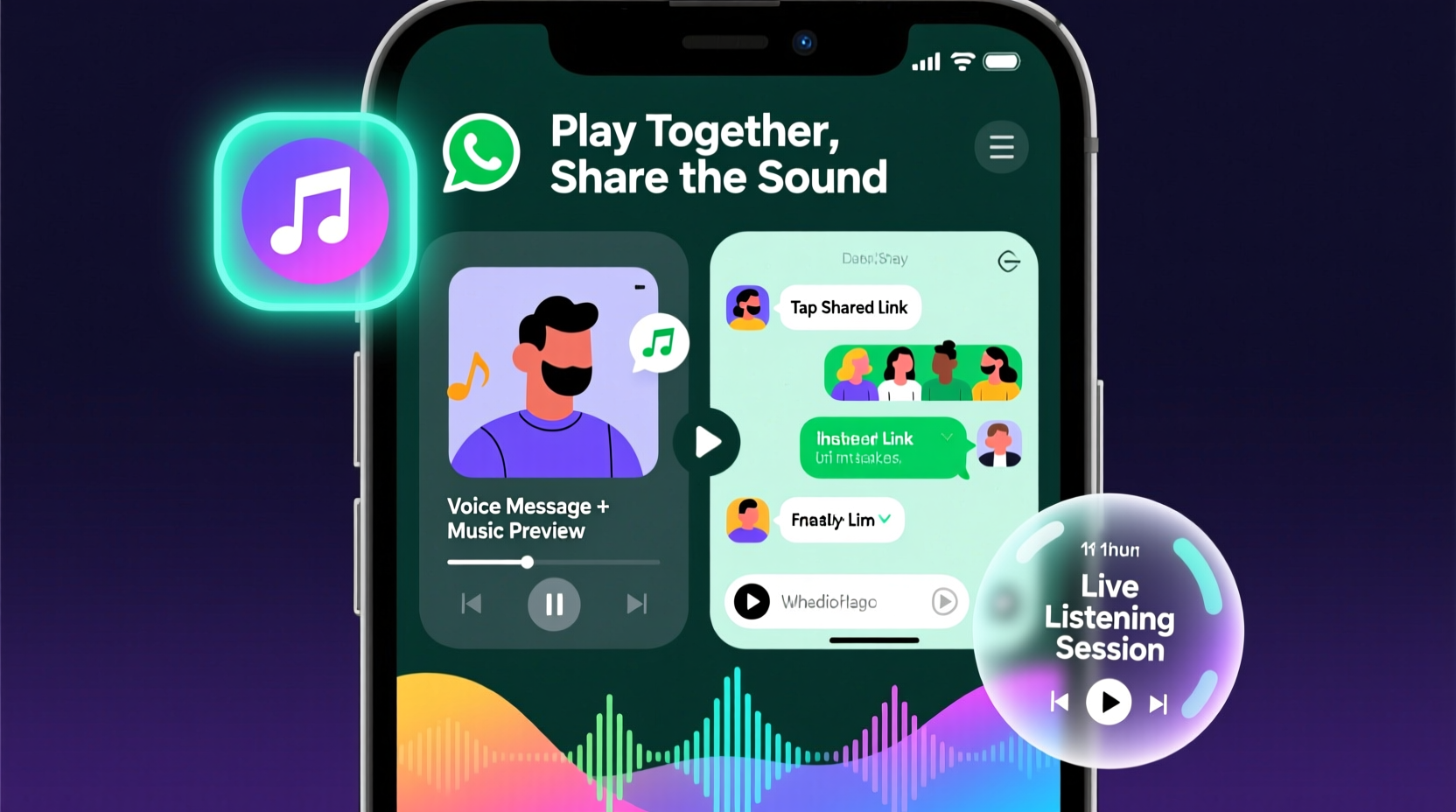
One of the most engaging ways to experience music together—even when apart—is by hosting a virtual listening party via WhatsApp. Unlike passive status updates, this approach invites active participation. Start by selecting an album, playlist, or theme (e.g., “90s R&B” or “Songs That Changed My Life”) and notify your group in advance.
During the session, everyone plays the same track simultaneously on their preferred streaming service. Use voice notes or quick text messages to react in real time—sharing thoughts, memories, or favorite lyrics as they come up. This creates a sense of co-listening that mimics being in the same room.
This method works especially well for album releases, anniversaries, or introducing friends to niche genres. It fosters deeper conversation than a one-off audio clip ever could.
Create Collaborative Music Playlists via Chat
Turn a WhatsApp group into a living playlist curator. Instead of sending random songs, establish a shared theme—like “Summer Road Trip Jams” or “Songs We Danced To in High School”—and invite members to contribute one track per day via audio note or link.
To keep things organized, assign each contributor a day or use a rotating thread where each new message builds on the last. Over time, you’ll have a collective playlist born from personal taste and emotional resonance.
At the end of the week, compile the selections into a real playlist on Spotify or YouTube and share the final link back to the group. The process becomes as meaningful as the result.
“Music shared intentionally creates stronger emotional connections than passive consumption.” — Dr. Lena Patel, Social Psychologist & Digital Communication Researcher
Use Voice Notes Creatively for Musical Expression
Voice notes are among WhatsApp’s most underrated features. Instead of typing “I love this song,” record yourself singing a line, humming the melody, or reacting emotionally to a piece of music. These raw, unedited moments carry authenticity that text or links simply can’t replicate.
You can also use voice notes to:
- Recite poetic lyrics like spoken word
- Imitate instrumentals using vocal percussion
- Share childhood memories tied to specific songs
- Send short reviews: “This track hits different after midnight”
For added fun, initiate a “Guess the Song” game using only hummed or sung fragments. Participants respond with guesses until someone gets it right—turning music discovery into an interactive challenge.
Build a Music-Based Group Challenge
Launch a themed weekly challenge within your WhatsApp circle to deepen engagement. Examples include:
- One Word, Many Songs: Each Monday, post a word (e.g., “Rain”). Members reply with a voice note naming a song containing that word—and why it fits.
- Duet Duels: Pick a classic duet. One person sings the first line via voice note; the next continues with the second. See how far the chain goes before breaking.
- Mood Match: Post an emoji (🌧️, 🌞, 💃). Others respond with a song that matches that mood.
These games encourage creativity while reinforcing emotional connection through music.
Step-by-Step Guide: Launching a Weekly Music Challenge
- Choose a small, active WhatsApp group (4–8 people ideal).
- Pick a recurring theme (e.g., “Throwback Thursday” or “Lyric Line of the Week”).
- Set clear rules: one submission per person, must include voice note or short explanation.
- Start the first round with enthusiasm—model the behavior you want to see.
- Highlight standout entries each week to maintain momentum.
- After four weeks, compile highlights into a recap audio montage.
Share Music Through Storytelling and Audio Diaries
Some of the most powerful musical experiences aren’t about the song itself, but the story behind it. Use WhatsApp voice notes to craft mini audio diaries centered on music.
For example:
- “The first concert I ever attended was Coldplay in 2005. Here’s the song that played when the lights went down…”
- “My grandmother used to sing this lullaby. I don’t remember all the words, but here’s what I know…”
- “This track got me through a breakup. Let me tell you why…”
When shared in a trusted group or one-on-one, these narratives transform music into intimacy. They invite empathy, memory-sharing, and deeper conversation—far beyond what a status update allows.
Mini Case Study: The Family Lullaby Project
In Mumbai, Priya Mehta started a private family WhatsApp group called “Our Melodies.” Every Sunday, she asks relatives to send a voice note of a song or lullaby passed down through generations. Her 78-year-old father recorded a Tamil folk tune his mother sang; her cousin responded with a Hindi bhajan from childhood.
Over six months, they compiled 23 recordings. Priya later edited them into a digital archive, preserving cultural heritage through WhatsApp. “It wasn’t about perfection,” she said. “It was about presence. And every voice note felt like a hug.”
Do’s and Don’ts of Sharing Music on WhatsApp
| Do | Don’t |
|---|---|
| Keep audio notes under 2 minutes for better engagement | Spam the group with unsolicited full-length tracks |
| Add context: explain why a song matters to you | Assume everyone knows the artist or genre |
| Use voice modulation or background silence for clarity | Record in noisy environments without warning |
| Encourage replies with open-ended questions (“What does this remind you of?”) | Critique others’ musical taste |
FAQ
Can I send high-quality audio files on WhatsApp?
WhatsApp compresses all audio files, which can reduce sound quality—especially for instrumental or classical music. For best results, use voice notes for emotional delivery rather than fidelity. If sharing full tracks, supplement with a link to a streaming platform.
How do I prevent my music shares from feeling spammy?
Be intentional. Share less frequently but with more context. Ask if the group is open to music exchanges, set themes, or rotate who curates each week. Respect response patterns—if people aren’t engaging, adjust your approach.
Is it possible to listen to music simultaneously with someone on WhatsApp?
Not natively. WhatsApp doesn’t support synchronized playback. However, you can coordinate timing manually: agree on a start time, then play the same song locally while exchanging reactions via voice note or text.
Conclusion: Turn Messages Into Moments
Music on WhatsApp doesn’t have to be fleeting or superficial. By moving beyond status updates, you unlock richer forms of connection—where a hummed melody, a remembered lyric, or a shared silence after a powerful song can speak volumes.
The tools are already in your pocket. What matters is the intention behind how you use them. Whether you're reviving old traditions, building new rituals, or simply brightening someone’s day with a timely tune, every audio note is an invitation to feel heard.




 浙公网安备
33010002000092号
浙公网安备
33010002000092号 浙B2-20120091-4
Comments
No comments yet. Why don't you start the discussion?