
The Nordic aesthetic thrives on simplicity, functionality, and subtle sophistication. At the heart of this design philosophy is an appreciation for clean lines, natural materials, and understated elegance. One often-overlooked element that can elevate a Nordic dining experience is the humble tablecloth—particularly one with a classic checkerboard pattern. Far from being outdated or overly traditional, a checkerboard tablecloth, when styled thoughtfully, becomes a dynamic anchor for a modern Nordic tablescape. With its inherent rhythm and visual balance, it sets the stage for a curated, inviting atmosphere that feels both intentional and effortless.
Why the Checkerboard Tablecloth Works in Nordic Design
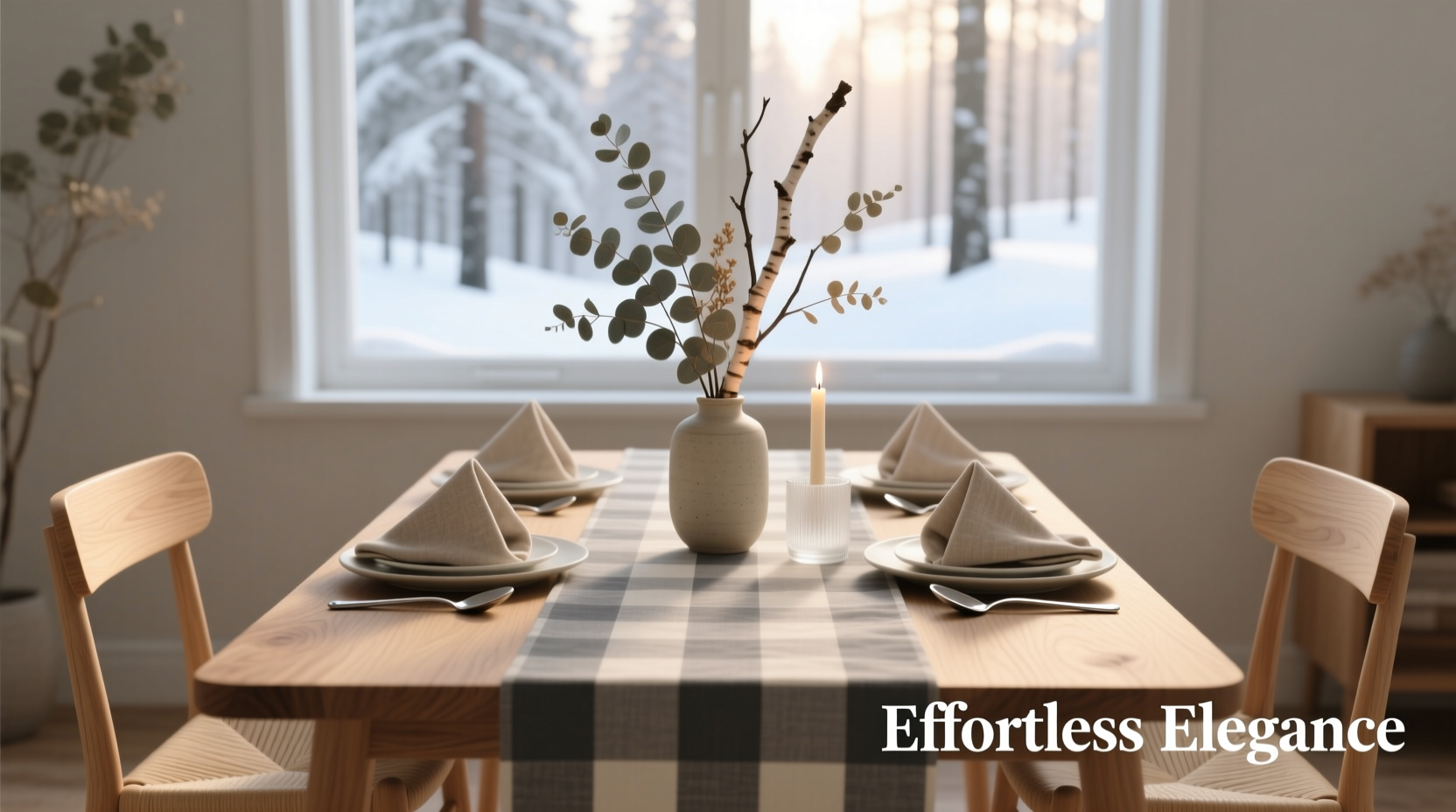
Nordic interiors favor patterns that are geometric, minimal, and rooted in heritage. The checkerboard motif, with its alternating squares, echoes the structured yet organic sensibility found in Scandinavian homes. Originally inspired by traditional folk textiles and farmhouse kitchens, this pattern brings a touch of nostalgic authenticity without sacrificing modernity.
When rendered in neutral tones—such as black and white, charcoal and cream, or soft gray and oatmeal—the checkerboard complements the Nordic color palette perfectly. It introduces contrast without chaos, offering visual interest while maintaining harmony. Unlike bold prints, it doesn’t compete with other elements on the table; instead, it frames them, creating a sense of order that aligns with Nordic principles of clarity and calm.
“Pattern, when used with restraint, can ground a space and invite warmth. The checkerboard is a quiet hero in Scandinavian styling.” — Linnea Johansson, Interior Stylist & Author of *Nordic Living*
Curating the Base: Choosing the Right Checkerboard Tablecloth
Not all checkerboard tablecloths are created equal. To achieve effortless elegance, consider fabric, scale, and fit.
- Fabric: Opt for natural fibers like cotton, linen, or a cotton-linen blend. These materials drape well, age gracefully, and enhance the tactile quality of the table.
- Scale: Smaller checks (2–3 inches) feel refined and contemporary; larger checks (5+ inches) lean rustic. For modern Nordic spaces, smaller-scale patterns tend to integrate more seamlessly.
- Fit: Allow for a 6–12 inch drop on all sides. A tailored fit suggests care and attention to detail.
Layering with Texture and Natural Elements
A checkerboard base gains depth when layered with textural contrasts. Nordic design emphasizes tactility—think rough-hewn wood, smooth ceramics, and hand-thrown stoneware. Use these materials to create dimension against the flat, graphic surface of the tablecloth.
Start with placemats made of woven seagrass, sheepskin, or reclaimed wood slices. These not only protect the tablecloth but add organic warmth. Pair them with minimalist ceramic plates in matte white or muted earth tones. Overlapping textures—like a smooth porcelain bowl on a coarse linen napkin—create subtle drama without clutter.
Incorporate natural centerpieces: a low wooden tray holding pinecones, birch logs, or dried pampas grass. A simple glass vase with single-stem branches (like cherry or willow) adds vertical interest while preserving sightlines across the table.
| Element | Recommended Material | Why It Works |
|---|---|---|
| Placemat | Woven seagrass or oak | Adds texture and protects the tablecloth |
| Napkin | Linen or cotton | Softens the graphic pattern; ages beautifully |
| Cutlery | Matte stainless steel or brushed brass | Minimal shine complements without dominating |
| Glassware | Clear or smoky glass | Transparency maintains lightness |
Step-by-Step Guide to Styling the Table
Follow this sequence to build a cohesive, elegant Nordic tablescape:
- Set the foundation: Lay the checkerboard tablecloth smoothly, ensuring corners are aligned.
- Add placemats: Center them over each seat, leaving even spacing between settings.
- Place dinnerware: Stack a charger (optional), dinner plate, and salad plate if needed. Keep colors neutral.
- Arrange cutlery: Follow formal placement (fork left, knife and spoon right), but choose minimalist designs.
- Fold napkins simply: Use a basic rectangle fold or roll secured with jute twine.
- Position glassware: Water glass behind the knife, wine glass to the right.
- Style the centerpiece: Keep it low and narrow so guests can see each other.
- Add final touches: Light a few unscented candles in clear holders or place small bud vases at intervals.
Real-Life Example: A Midwinter Dinner Gathering
Sofia, a designer in Malmö, hosted a midwinter solstice dinner using a black-and-white checkerboard linen tablecloth. She paired it with dark oak placemats, white stoneware from Skultuna, and matte black cutlery. In the center, she arranged a long wooden trough filled with moss, frosted pine sprigs, and tea lights in glass globes. The result was striking yet serene—a perfect balance of contrast and calm. Guests commented on how the table felt both festive and peaceful, a rare combination achieved through deliberate simplicity.
“I wanted the table to feel grounded,” Sofia explained. “The checkerboard gave rhythm, and the natural elements brought stillness. It wasn’t about perfection—it was about presence.”
Seasonal Adaptations for Year-Round Appeal
The beauty of a checkerboard tablecloth lies in its adaptability. With minor adjustments, it transitions seamlessly across seasons:
- Spring: Introduce pastel linen napkins and fresh tulips in clear bottles.
- Summer: Swap to lighter cotton cloths, add citrus in bowls, and use open-weave rattan chargers.
- Autumn: Layer with wool runners, incorporate acorns or small pumpkins, and use amber-toned glassware.
- Winter: Enhance with sheepskin throws draped over chairs, pine garlands, and candlelight.
The checkerboard remains constant, acting as a reliable backdrop that allows seasonal accents to shine without overwhelming the space.
Checklist: Effortless Nordic Table Styling Essentials
Before hosting, ensure you have these key elements ready:
- ✔️ Washed and pressed checkerboard tablecloth
- ✔️ Natural-fiber placemats or chargers
- ✔️ Neutral-toned dinnerware (white, gray, or beige)
- ✔️ Matte-finish cutlery
- ✔️ Linen napkins in complementary tones
- ✔️ Low-profile centerpiece with natural materials
- ✔️ Candles or warm ambient lighting
- ✔️ Balanced spacing between place settings (minimum 24 inches)
FAQ
Can I mix patterns with a checkerboard tablecloth?
Yes, but sparingly. Stick to subtle textures—like a herringbone napkin or a ribbed glass tumbler—rather than competing prints. The goal is layered simplicity, not visual noise.
Is a checkerboard tablecloth too casual for formal dinners?
Not if styled intentionally. When paired with refined ceramics, quality linens, and balanced composition, it reads as confident and curated—not kitschy.
How do I keep the tablecloth looking crisp during meals?
Use placemats and coasters consistently. Have a spare cloth on hand for quick swaps if spills occur. Linen naturally hides minor stains better than cotton due to its texture.
Conclusion: Elevate Everyday Moments with Intention
A checkerboard tablecloth is more than a decorative choice—it’s a statement of rhythm, balance, and quiet confidence. When woven into a Nordic-inspired tablescape, it transforms ordinary meals into moments of mindfulness and connection. By focusing on texture, proportion, and natural materials, you create a setting that feels both elegant and approachable.




 浙公网安备
33010002000092号
浙公网安备
33010002000092号 浙B2-20120091-4
Comments
No comments yet. Why don't you start the discussion?