
A coffee table is more than just a surface—it’s the centerpiece of your living room, a visual anchor that sets the tone for your décor. While many reach for coffee table books to add sophistication, real books can collect dust, show wear, or feel mismatched over time. Enter: fake books. Often overlooked as mere props, faux books offer surprising versatility and durability when styled intentionally. When used creatively, they become timeless tools for crafting a curated, polished aesthetic without the maintenance.
Fake books—realistic-looking book covers bound with solid spines or hollow interiors—are ideal for styling because they resist fading, don’t need organizing by topic or author, and can be customized in color, size, and theme. The key is treating them not as substitutes but as intentional design elements. Done right, they contribute to a cohesive narrative on your coffee table, enhancing both form and function.
Why Fake Books Work Better Than Real Ones for Styling
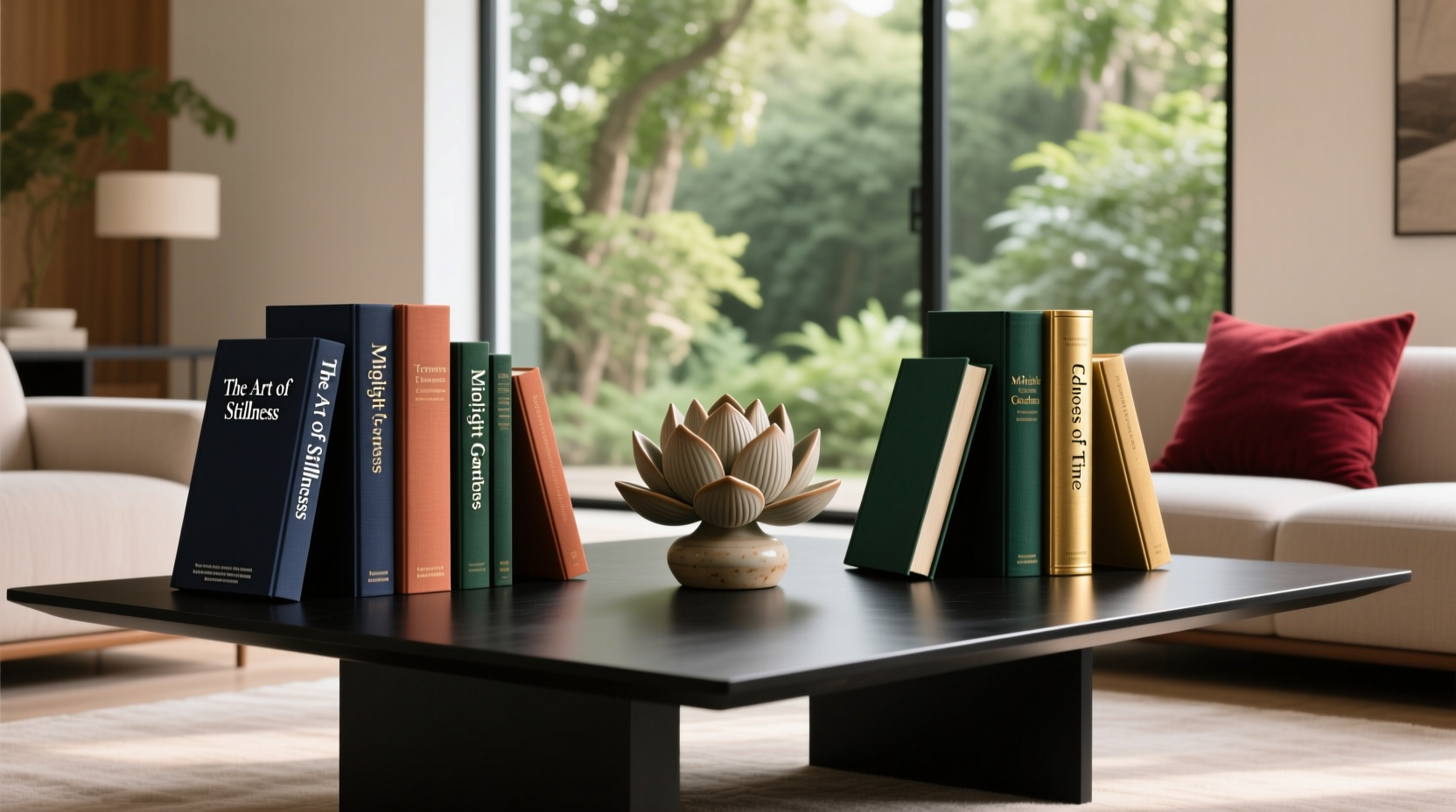
Real books bring authenticity, but they come with limitations. They accumulate dust, may clash with your palette once opened, and often demand thematic consistency (e.g., all art books or novels). Fake books bypass these issues entirely. Because they’re designed for display, their colors remain vibrant, their titles can be selected for visual harmony rather than literary value, and they never need to be reshelved after use.
Interior designers increasingly favor faux books for high-traffic areas where perfection must be maintained with minimal effort. As Brooklyn-based stylist Mira Chen explains:
“Faux books give you full control over texture, height, and hue. You’re not limited by what you own—you design the shelf like a canvas.” — Mira Chen, Interior Stylist & Set Designer
This level of control makes them perfect for coffee tables, which are meant to impress at first glance and endure daily use.
Curated Stacking: Build Visual Interest with Height and Proportion
One of the most effective techniques is stacking fake books in deliberate groupings. Avoid haphazard piles; instead, create intentional arrangements that vary in height and orientation.
- Low stacks (2–3 books) work well under decorative objects like candles or small sculptures.
- Tall stacks (4–5 books) serve as pedestals for larger items such as vases or trays.
- Mixed orientations—some vertical, some horizontal—add dynamic contrast.
Try layering two horizontal books topped with a single vertical one to create a platform effect. This provides stability while breaking symmetry in a pleasing way. For added depth, choose fake books in varying shades of the same color family—navy, slate, and charcoal, for example—to create tonal contrast without clashing.
Color-Themed Book Arrangements for Cohesive Design
Instead of focusing on content, focus on color. Fake books allow you to build a palette-driven display that aligns with your room’s mood. Whether you're aiming for calm neutrals or bold contrasts, themed book stacks can unify the space.
Consider these popular color strategies:
| Theme | Book Colors | Best Paired With |
|---|---|---|
| Monochrome Elegance | Black, white, gray | Silver accents, marble tray, minimalist sculpture |
| Coastal Calm | Aqua, sand, seafoam green | Driftwood bowl, seashells, linen coaster set |
| Earthy Warmth | Terracotta, olive, cream | Ceramic pot, dried pampas grass, woven basket |
| Gilded Glamour | Burgundy, gold spine, deep emerald | Crystal candle holder, brass dish, velvet ribbon |
When selecting fake books, prioritize consistent spine widths and matte or soft-gloss finishes to avoid visual noise. A mix of serif and sans-serif fonts on spines adds subtle variety without overwhelming the eye.
Step-by-Step Guide: Creating a Balanced Coffee Table Display
Follow this sequence to build a professional-grade arrangement using only fake books and complementary décor.
- Clear the surface. Remove all items and wipe down the table.
- Choose a focal point. Decide what will be the centerpiece—a tray, lamp, or sculptural object.
- Select 4–6 fake books in coordinating colors and sizes.
- Create two stacks: One taller (for elevation), one flatter (for grounding).
- Place the tallest stack beneath your focal point to lift it into view.
- Lay the second stack horizontally near the front edge for balance.
- Add asymmetry by placing a single fake book vertically beside the tray.
- Incorporate negative space. Leave about 40% of the table open to avoid clutter.
This method ensures visual hierarchy and prevents overcrowding, making the table inviting rather than intimidating.
Mini Case Study: Transforming a Dated Living Room
Jessica T., a graphic designer in Portland, struggled with a beige-heavy living room that felt dull despite frequent updates. Her coffee table alternated between stacks of unread magazines and mismatched novels. After consulting an online interior course, she invested in six faux books in deep indigo and warm taupe with minimalist typography.
She arranged three horizontally beneath a round black tray holding a single eucalyptus sprig and geometric lighter. Two stood vertically on one side, flanking a small concrete candle. The final piece was a single book laid flat with a vintage pocket watch resting atop it.
The result? A modern, gallery-like vignette that guests consistently compliment. “It looks styled for a magazine shoot,” Jessica said. “And I haven’t had to rearrange it in four months.”
Common Mistakes to Avoid
Even with fake books, poor styling can undermine the effect. Be mindful of these pitfalls:
- Overstacking: Too many layers make the table look cluttered and impractical.
- Ignoring scale: Oversized books overwhelm small tables; tiny ones vanish on large surfaces.
- Mismatched themes: Mixing antique-style spines with neon modern ones creates visual confusion.
- Forgetting function: Ensure there's still room for drinks, remotes, or coasters.
Frequently Asked Questions
Are fake books obvious up close?
High-quality faux books are nearly indistinguishable from real ones. Look for realistic paper texture, visible page edges, and authentic-looking titles. Avoid those with glossy, plastic-like finishes or blank spines.
Where can I buy realistic fake books?
Specialty retailers like Hemmingway Designs, Etsy artisans, and home décor brands such as Threshold (Target) and World Market offer convincingly detailed options. Some even let you customize spine text.
Can I mix fake and real books?
Yes—but do so strategically. Place real books face-down or spine-in to hide wear and titles. Use fake books for visible spines to maintain a uniform look.
Final Checklist for a Polished Coffee Table
- ✅ Choose 4–6 cohesive fake books
- In colors that match your room’s palette.
- ✅ Vary stack heights and orientations
- Use horizontal and vertical placements for dimension.
- ✅ Anchor with a tray or centerpiece
- Elevate it on a book stack for prominence.
- ✅ Add one organic element
- Like a plant clipping, stone, or shell.
- ✅ Maintain negative space
- Keep at least a third of the table clear.
Conclusion: Style That Lasts Without the Hassle
Styling a coffee table isn’t about perfection—it’s about intention. Fake books remove the friction of upkeep while amplifying aesthetic control. By treating them as foundational design elements rather than props, you create a display that feels personal, polished, and enduring. Whether you prefer minimalist monochrome or richly layered textures, the flexibility of faux books allows your personality to shine through with zero compromise.




 浙公网安备
33010002000092号
浙公网安备
33010002000092号 浙B2-20120091-4
Comments
No comments yet. Why don't you start the discussion?