
The living room is the heart of the home—a space where comfort meets expression. While furniture and textiles set the tone, it’s often the small details that elevate a room from ordinary to exceptional. One such detail? The humble decorative tray. Often overlooked, trays are more than just accessories; they are functional tools that bring cohesion, order, and visual interest to coffee tables, consoles, shelves, and sideboards. When used creatively, decorative trays transform clutter into curated vignettes, turning everyday objects into intentional design statements.
Elevate Your Coffee Table with Purpose and Style
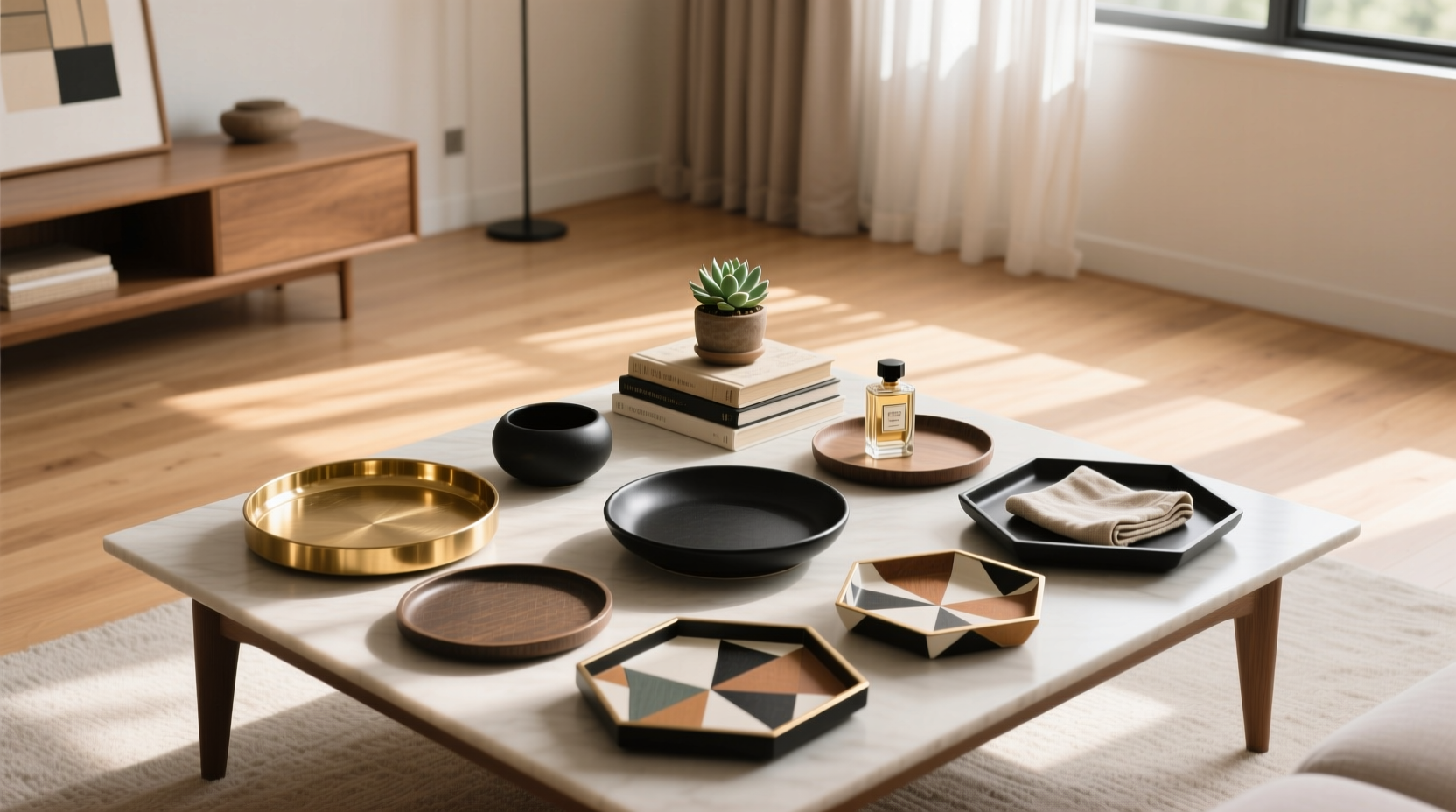
The coffee table is a focal point in most living rooms, frequently accumulating remotes, coasters, candles, and reading material. Without structure, it can quickly appear chaotic. A decorative tray acts as a visual anchor, corralling items into a cohesive display while adding texture and dimension.
Choose a tray in a material that complements your existing decor—brass for warmth, marble for elegance, or woven rattan for organic charm. Arrange a cluster of items within its borders: a stack of art books, a small potted succulent, a ceramic candle, and a few decorative matches. This not only creates balance but also makes the surface easier to maintain. When guests arrive, simply lift the entire tray to clear space, then return it when ready.
Use Trays on Console Tables for Entryway Impact
A console table near the entry sets the mood for your living room. It's one of the first things visitors see. Place a medium-sized tray here to designate a \"drop zone\" for keys, sunglasses, and pocket change—items that tend to scatter. Opt for a tray with raised edges to keep small objects contained.
To add flair, pair the tray with a small dish for coins and a minimalist catch-all bowl. Tuck a folded linen napkin or a sprig of dried eucalyptus inside the tray for a touch of softness. This approach maintains practicality without sacrificing aesthetics.
“Trays are like invisible organizers—they create boundaries that guide both eye and hand.” — Lila Monroe, Interior Stylist & Author of *Curated Living*
Create Visual Layers on Shelves and Sideboards
Open shelving in the living room offers prime real estate for personal expression. But without thoughtful styling, shelves can feel disjointed. Decorative trays help group objects thematically, making displays feel intentional rather than accidental.
Try placing a shallow tray on a floating shelf and arranging a mini still-life scene: a vintage camera, a rolled-up sketchbook, and a tiny bronze sculpture. The tray defines the narrative, turning disparate objects into a story. On a bar cabinet or sideboard, use a larger tray to corral glassware, cocktail tools, and a bottle of bitters. Not only does this make entertaining easier, but it also adds sophistication to your storage.
Seasonal Rotation: Refreshing Your Space Year-Round
One of the most underused benefits of decorative trays is their adaptability. Because they contain entire vignettes, swapping out seasonal decor becomes effortless. At the start of fall, replace summer citrus-scented candles with cinnamon sticks and a miniature pumpkin arrangement on a dark wood tray. In spring, introduce pastel ceramics, fresh flowers, and light linens on a white lacquered tray.
This modular approach reduces the need for deep redecorating while keeping your living room feeling current and alive.
Functional Beauty: Blending Usefulness with Design
Decorative trays excel at bridging the gap between beauty and utility. They’re not merely for show—they solve real problems. Consider these practical applications:
- Remote control management: Hide unsightly remotes in a fabric-lined tray paired with a decorative box.
- Drink service station: Keep cocktail napkins, stirrers, and mini bottles neatly arranged on a tray behind the sofa.
- Reading nook enhancer: Place a tray on an armchair-side ottoman with a book, reading glasses, and a small lamp.
The key is choosing trays that align with your lifestyle. If you entertain often, invest in wipeable materials like metal or acrylic. For homes with children or pets, opt for durable, non-slip trays with low edges.
Material Matters: Choosing the Right Tray for Your Space
Different materials evoke different moods and serve distinct functions. Understanding their strengths helps you match trays to your living room’s needs.
| Material | Best For | Pros | Cons |
|---|---|---|---|
| Wood | Rustic, warm, traditional spaces | Durable, timeless, easy to repair | Can scratch; heavy |
| Marble/Resin | Luxury, modern, minimalist interiors | Stunning veining, heat-resistant | Fragile, stains if unsealed |
| Brass/Metal | Glam, eclectic, mid-century designs | Reflective, durable, stylish | Shows fingerprints, may tarnish |
| Rattan/Wicker | Boho, coastal, natural-inspired rooms | Lightweight, breathable, eco-friendly | Not ideal for liquids, can fray |
| Acrylic | Small spaces, contemporary settings | Invisible effect, lightweight | Scratches easily, static-prone |
Real-Life Inspiration: A Case Study in Tray Styling
Sophie, a graphic designer in Portland, struggled with a cluttered yet under-decorated living room. Her coffee table was a mix of scattered magazines, charging cables, and mismatched coasters. After consulting with a local stylist, she adopted a tray-centric approach.
She selected a large oval rattan tray with a slight lip and grouped her essentials within it: a stack of design monographs, a matte black candle, and a small ceramic dish for her watch and rings. She added a folded indigo textile underneath for contrast. The result? A clean, inviting surface that felt personal and polished. Guests now compliment her “effortless” style—unaware of the strategy behind it.
Within weeks, Sophie expanded the concept to her media console, using a brass tray to hold her streaming devices and remote, lined with a velvet pad to prevent scratches. What began as a simple organizational fix evolved into a defining element of her home’s aesthetic.
Step-by-Step Guide to Styling with Decorative Trays
Follow this sequence to maximize both form and function in your living room:
- Assess your surfaces: Identify areas prone to clutter—coffee tables, consoles, shelves.
- Select appropriate trays: Match size and material to the surface and room style.
- Group by function: Decide what each tray will hold—reading items, drinks, daily essentials.
- Curate contents: Choose 3–5 items that vary in height, texture, and purpose.
- Arrange with balance: Place tallest item at the back or center, layer smaller pieces around it.
- Edit ruthlessly: Remove anything that doesn’t contribute to function or beauty.
- Maintain regularly: Wipe down trays weekly and refresh contents monthly.
Frequently Asked Questions
How big should a decorative tray be for a coffee table?
A good rule of thumb is that the tray should occupy about two-thirds of the table’s surface. For a standard 36-inch rectangular table, a 20–24 inch tray works well. Leave space around the edges for ease of access.
Can I use decorative trays on upholstered furniture?
Yes, but choose lightweight trays with non-slip bottoms. Avoid heavy or sharp-edged trays on delicate fabrics. Consider using a protective liner if placing on leather or silk upholstery.
Are decorative trays only for coffee tables?
Not at all. They work beautifully on console tables, bookshelves, mantels, sideboards, and even bathroom vanities. Their versatility makes them a cross-functional decor staple.
Final Thoughts: Small Details, Big Impact
Decorative trays are quiet heroes in interior design—modest in size but powerful in effect. They bring order to chaos, amplify style, and reflect thoughtful curation. More than mere containers, they are frames for your life’s little moments: a morning coffee, an evening read, a shared toast with friends.
By integrating trays into your living room with intention, you’re not just organizing—you’re storytelling. You’re creating pockets of meaning amid the everyday. And in doing so, you transform your space into something that feels truly lived-in and lovingly designed.




 浙公网安备
33010002000092号
浙公网安备
33010002000092号 浙B2-20120091-4
Comments
No comments yet. Why don't you start the discussion?