
A well-dressed table speaks volumes before the first course is served. While fine china, crisp linens, and thoughtful centerpieces set the tone, it’s the subtle details that elevate dining into an experience. Among these refined accents, the leather napkin holder often goes unnoticed—yet when used intentionally, it becomes both a functional tool and a design statement. Far from being just a utilitarian object, a leather napkin holder can anchor your table’s aesthetic, adding warmth, texture, and timeless elegance.
Leather, with its natural grain and rich patina, brings organic sophistication to any table setting. Whether you're hosting a formal dinner or curating a weekend brunch, integrating a leather napkin holder allows you to blend practicality with high-end style. The key lies not just in owning one, but in how creatively you incorporate it into your overall table decor.
Why Leather Elevates Table Styling
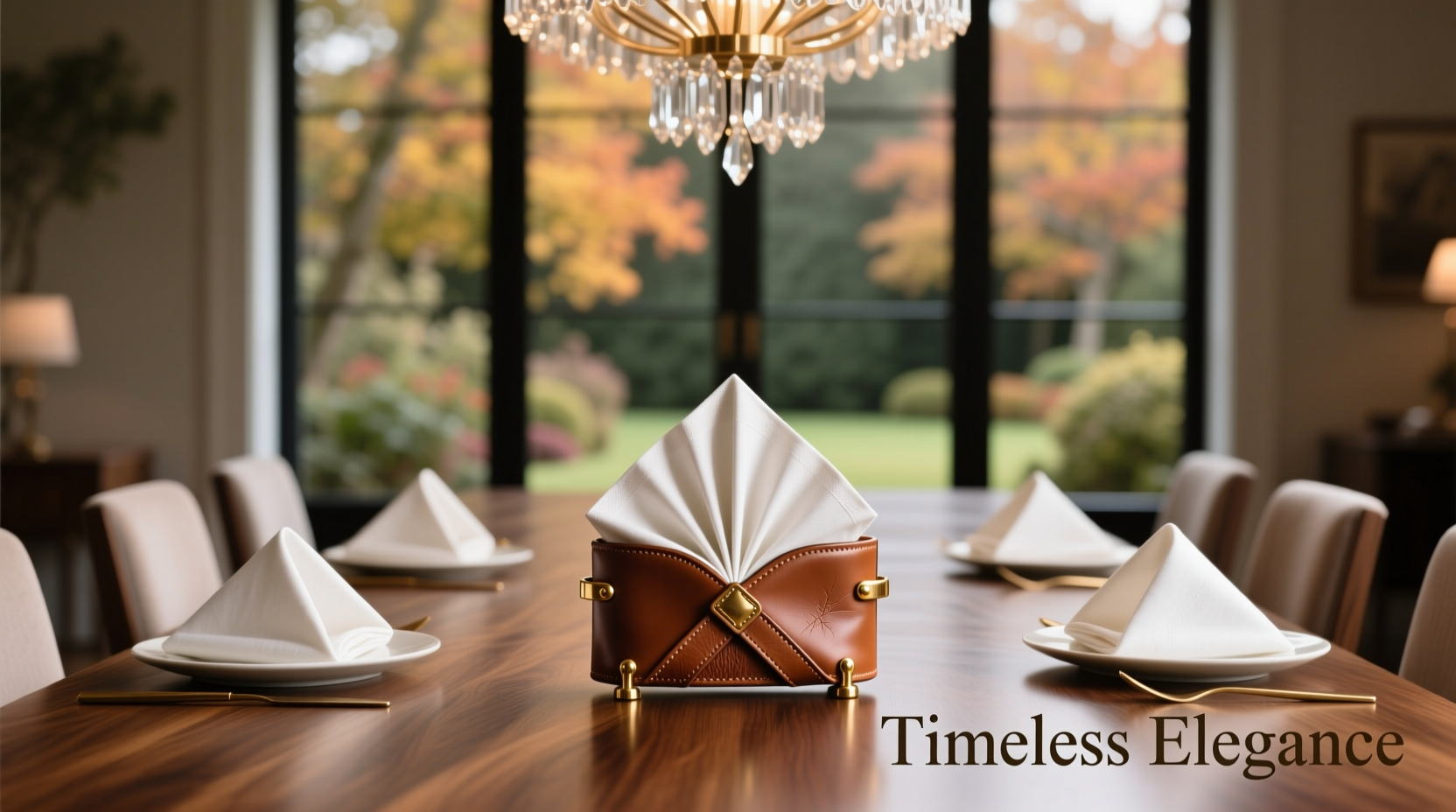
Leather possesses a unique ability to age beautifully while maintaining its structural integrity. Unlike synthetic materials, genuine leather develops character over time, making each piece distinct. When used as a napkin holder, it introduces a tactile contrast to smooth porcelain, cool glassware, and polished silverware.
Beyond aesthetics, leather offers durability and versatility. It withstands daily use, resists minor spills, and complements various interior styles—from rustic farmhouse to modern minimalist. Its presence signals attention to detail and an appreciation for craftsmanship.
“Luxury isn’t about excess; it’s about intention. A leather napkin holder says you’ve considered every layer of the guest experience.” — Clara Mendez, Interior Stylist & Tabletop Designer
Five Creative Ways to Style Your Table with a Leather Napkin Holder
1. Coordinate with Seasonal Themes
Adapt your table setting throughout the year by pairing your leather napkin holder with seasonal elements. In autumn, fold linen napkins in deep burgundy or forest green and place them in a cognac-toned leather ring. Add sprigs of dried wheat or eucalyptus beside each plate for a harvest-inspired look.
During winter, opt for ivory or charcoal napkins tucked into black or espresso leather bands. Pair with pinecones, frosted branches, or candlelit votives to create a cozy, fireside ambiance.
2. Layer Textures for Depth
Create visual interest by combining different materials on the table. Place a leather napkin holder atop a woven placemat or under a ceramic charger. The contrast between soft fabric, rough textiles, and supple leather adds dimension without clutter.
Try this combination:
- Linen napkin (textured)
- Leather ring (smooth yet substantial)
- Wooden serving board (organic)
- Brass cutlery (polished metal)
3. Personalize Each Place Setting
Use the leather napkin holder as part of a personalized guest experience. Fold each napkin uniquely—accordion, pocket fold, or roll—and insert a handwritten name card or small favor inside the loop. For weddings or special dinners, engrave initials onto the leather band for a lasting keepsake.
This approach turns a simple seating arrangement into a gesture of thoughtfulness, making guests feel individually acknowledged.
4. Use as a Centerpiece Anchor
Instead of confining the leather napkin holder to individual settings, repurpose it as a centerpiece element. Arrange several holders in a line down the center of the table, each containing rolled napkins and tied with twine or ribbon. Nestle them among low floral arrangements, tea lights, or scattered crystals for a symmetrical yet organic display.
In long banquet-style setups, this technique guides the eye and reinforces continuity across the table.
5. Mix Metals and Finishes
If your leather napkin holder features metal hardware—such as brass studs, silver buckles, or engraved clasps—use that detail to tie in other metallic accents. Align buckle tones with flatware, glass rims, or candle holders to unify the palette.
For example, rose gold buckles pair beautifully with blush napkins and copper-rimmed glasses, creating a warm, romantic scheme ideal for intimate gatherings.
Step-by-Step Guide: Creating a Cohesive Look in 5 Minutes
Even last-minute hosts can achieve elegance with a structured approach. Follow this quick timeline to integrate your leather napkin holder seamlessly:
- Minute 0–1: Choose your napkin color based on existing tableware or theme.
- Minute 1–2: Fold all napkins uniformly (roll or fold neatly).
- Minute 2–3: Insert each into the leather holder, ensuring consistency.
- Minute 3–4: Place at each seat, aligning with plate edges.
- Minute 4–5: Add final touches—name card, sprig of herb, or folded menu.
This method ensures efficiency without sacrificing polish, perfect for entertaining with grace under pressure.
Do’s and Don’ts: Table Styling with Leather Napkin Holders
| Do’s | Don’ts |
|---|---|
| Pair with natural fibers like cotton, linen, or hemp | Use overly stiff or synthetic napkins that clash with leather’s warmth |
| Wipe the leather gently with a dry cloth after use | Submerge in water or use harsh cleaners |
| Rotate colors seasonally to keep the look fresh | Stick to one rigid style year-round |
| Combine with handmade ceramics or artisan glassware | Mix too many competing patterns or textures |
| Invest in full-grain or vegetable-tanned leather for longevity | Choose bonded leather that may peel or crack prematurely |
Real Example: A Spring Garden Brunch Transformation
Sophia, a lifestyle blogger in Portland, wanted to host a garden-to-table brunch for eight friends. She had a set of vintage white plates, sage-green napkins, and a collection of handcrafted leather napkin rings inherited from her grandmother.
Rather than hiding their aged appearance, she leaned into it. She rolled each napkin tightly, secured it with the slightly worn leather band, and placed a fresh sprig of lavender inside the fold. At each setting, she added a small wildflower cutting in a mini mason jar. The result was effortlessly elegant—personal, seasonal, and deeply rooted in authenticity.
Guests commented repeatedly on the napkin holders, not because they were flashy, but because they felt intentional. One even asked where to buy similar pieces, proving that understated details often leave the strongest impression.
Frequently Asked Questions
Can I use leather napkin holders outdoors?
Yes, but with caution. Full-grain or treated leather holds up better to humidity and light exposure. Avoid leaving them outside overnight or during rain. Wipe clean after use and condition periodically to prevent drying.
How do I clean a stained leather napkin holder?
For surface marks, use a slightly damp microfiber cloth and mild soap. Gently wipe the area, then dry immediately. Never soak the leather. For deeper stains, consult a leather care professional or use a specialized cleaner like Lexol or Chamberlain’s.
Are leather napkin holders appropriate for casual meals?
Absolutely. Their versatility shines across settings. For everyday use, choose simpler designs—minimal stitching, no hardware—and pair with cotton napkins. They add subtle refinement without feeling overdressed.
Final Thoughts: Elevate Every Meal with Intention
Styling your table with a leather napkin holder isn’t about formality—it’s about mindfulness. It reflects a desire to honor the ritual of sharing food, conversation, and connection. Whether you’re setting a holiday feast or a quiet Sunday breakfast, this small accessory can become a signature touch.
By experimenting with folds, coordinating colors, and integrating personal elements, you transform function into artistry. Over time, your leather pieces will age alongside your memories, gaining depth and meaning with every use.




 浙公网安备
33010002000092号
浙公网安备
33010002000092号 浙B2-20120091-4
Comments
No comments yet. Why don't you start the discussion?