
Fashion moves fast, but your wardrobe doesn’t need to keep up at full speed. Instead of discarding pieces that no longer excite you, consider giving them new life through thoughtful transformation. With a few simple techniques, even the most outdated or worn garments can become statement pieces that reflect your current style. This guide walks you through practical, creative methods to reinvent your clothing—saving money, reducing waste, and expressing individuality in the process.
Why Transform Clothes Instead of Replacing Them?
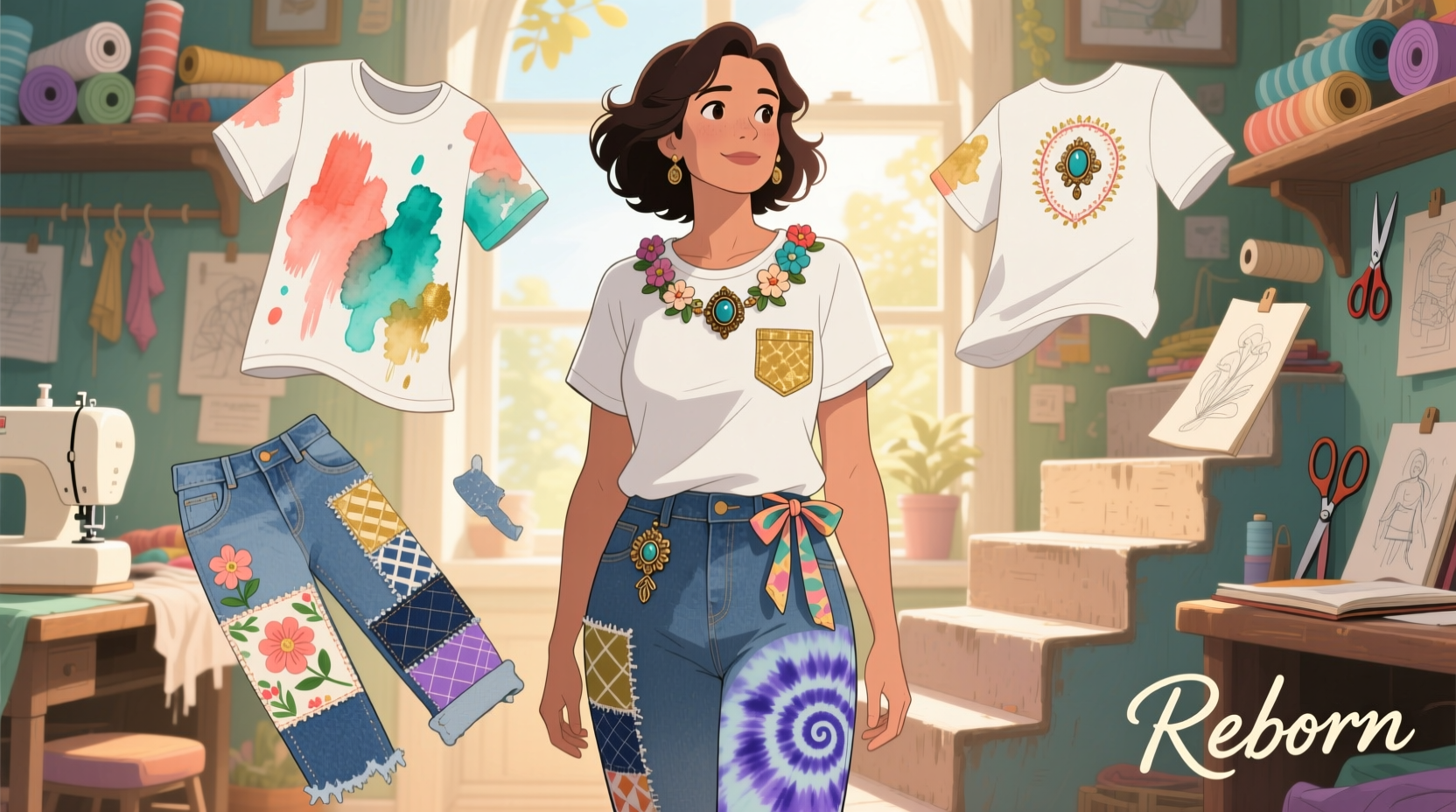
The average person wears only 20% of their wardrobe regularly. The rest gathers dust, fades in color, or feels “meh” when pulled from the closet. Rather than contributing to textile waste—which exceeds 92 million tons globally each year—transforming clothes offers a sustainable alternative. It’s also a chance to develop personal style beyond trends.
Designers like Stella McCartney and Vivienne Westwood have long championed garment reworking as both an ethical and artistic practice. As Westwood famously said:
“Buy less, choose well, make it last.” — Vivienne Westwood
By altering what you already own, you extend fabric life, reduce environmental impact, and gain unique pieces unavailable in stores.
Step-by-Step Guide to Refreshing Your Wardrobe
Follow this five-phase approach to systematically evaluate, select, and transform your clothes with confidence.
- Assess & Sort: Pull every item from your closet. Categorize into three piles: love, neutral, discard/donate. Focus on the “neutral” pile—these are ripe for transformation.
- Identify Potential: Look for garments with strong fabric quality, interesting textures, or timeless cuts. Denim, cotton twill, linen, and wool respond best to alterations.
- Choose Your Technique: Match the garment’s condition and your skill level to one of the creative methods below.
- Gather Supplies: Basic tools include scissors, pins, thread, needles, fabric glue, patches, bleach, stencils, and optional sewing machine.
- Execute & Style: Complete the transformation and photograph the result styled in multiple ways to build confidence in wearing it.
Creative Transformation Techniques You Can Try Today
You don’t need advanced skills to make meaningful changes. These accessible ideas range from no-sew hacks to beginner-friendly stitching projects.
1. Crop, Hem, or Taper
Adjusting length instantly modernizes silhouettes. Turn baggy jeans into high-waisted shorts, crop a long-sleeve tee into a summer top, or taper wide-leg pants into a streamlined fit.
2. Reverse or Deconstruct
Flip jackets or shirts inside out to expose seams and linings for an edgy, deconstructed look. Add raw hems by carefully fraying edges of denim or flannel.
3. Patchwork Revival
Use fabric scraps or vintage patches to cover stains or tears. Overlap colorful swatches for a quilted effect. Denim jackets and jeans are ideal canvases.
4. Bleach & Dye Experiments
Create ombre gradients, tie-dye swirls, or geometric bleach patterns. Mix natural dyes (like turmeric or avocado pits) for eco-friendly color shifts.
5. Embellish with Details
Add personality with embroidery, studs, lace trim, or painted designs. Use fabric paint and stencils to apply abstract shapes or slogans.
6. Combine Garments
Turn two faded button-downs into one reversible shirt. Attach a collared placket from one blouse onto a plain tank. Think modular fashion.
Do’s and Don’ts of Clothing Transformation
| Do | Don’t |
|---|---|
| Start with low-value items to practice | Begin with your favorite silk blouse |
| Use sharp fabric scissors for clean cuts | Cut with kitchen shears or dull blades |
| Pin adjustments before sewing or gluing | Guess measurements freehand |
| Preserve structural elements (collars, zippers) | Remove functional parts without backup plans |
| Document your process with photos | Forget how you achieved a good result |
A Real-Life Transformation: From Faded Jeans to Statement Shorts
Sophie, a graphic designer in Portland, had a pair of high-waisted jeans she loved for their fit—but they were too warm for summer and slightly faded at the knees. Instead of donating them, she decided to transform them into cutoff shorts.
She measured 3 inches above her knee, cut straight across, then made small vertical snips every half-inch along the hem. After washing them in warm water, the frayed edges softened naturally. She added hand-stitched floral embroidery near one pocket using leftover yarn, turning a utilitarian piece into a personalized summer staple.
“Now I get compliments every time I wear them,” Sophie says. “And I feel proud knowing I didn’t buy something new.”
Essential Checklist Before You Begin
- ☐ Audit your wardrobe and isolate 3–5 candidate garments
- ☐ Collect basic tools: scissors, pins, thread, needle, fabric glue, chalk
- ☐ Choose one technique to start with (e.g., cropping or patching)
- ☐ Set aside 60–90 minutes for your first project
- ☐ Take a “before” photo for comparison
- ☐ Research a tutorial video if trying something new
- ☐ Plan how you’ll style the finished piece
Frequently Asked Questions
Can I transform clothes without a sewing machine?
Absolutely. Fabric glue, iron-on patches, knotting, braiding, and folding allow for effective no-sew updates. Even hemming can be done by hand with patience and a running stitch.
What if I make a mistake?
Mistakes often lead to innovation. A crooked cut can become a stepped asymmetrical edge. An accidental bleach mark might inspire a deliberate design. Embrace imperfections—they add character.
How do I know which clothes are worth transforming?
Prioritize garments with strong fabric integrity. If the material still feels substantial and holds color well—even if stained or dated—it’s likely a good candidate. Avoid items with thinning fibers or major holes unless planning full reconstruction.
Final Thoughts: Make Your Wardrobe Uniquely Yours
Transforming clothes isn’t just about aesthetics—it’s a form of self-expression and mindful consumption. Each altered piece carries a story: where it came from, why you changed it, and how it now fits your life. Whether you crop a sweater into a cropped cardigan or turn an old dress into a layered skirt, these acts of reinvention foster creativity and sustainability.
Start small. Pick one neglected item this week and give it a second chance. Document the change, wear it proudly, and notice how it shifts your relationship with fashion. Over time, your wardrobe will evolve into a curated collection of meaningful, one-of-a-kind pieces.




 浙公网安备
33010002000092号
浙公网安备
33010002000092号 浙B2-20120091-4
Comments
No comments yet. Why don't you start the discussion?