
For many, a plush toy is more than just a childhood keepsake—it can become a source of emotional grounding, especially at bedtime. The little pony plush, with its soft mane, gentle features, and nostalgic charm, holds unique potential as a nighttime comfort object. While often associated with children, these plush companions are increasingly embraced by teens and adults seeking tactile reassurance during sleep. When thoughtfully integrated into a nightly routine, a little pony plush can help ease anxiety, improve sleep quality, and foster emotional connection. Below are practical, imaginative, and psychologically grounded approaches to maximizing the comfort this small companion can offer.
Why Plush Toys Work as Sleep Aids
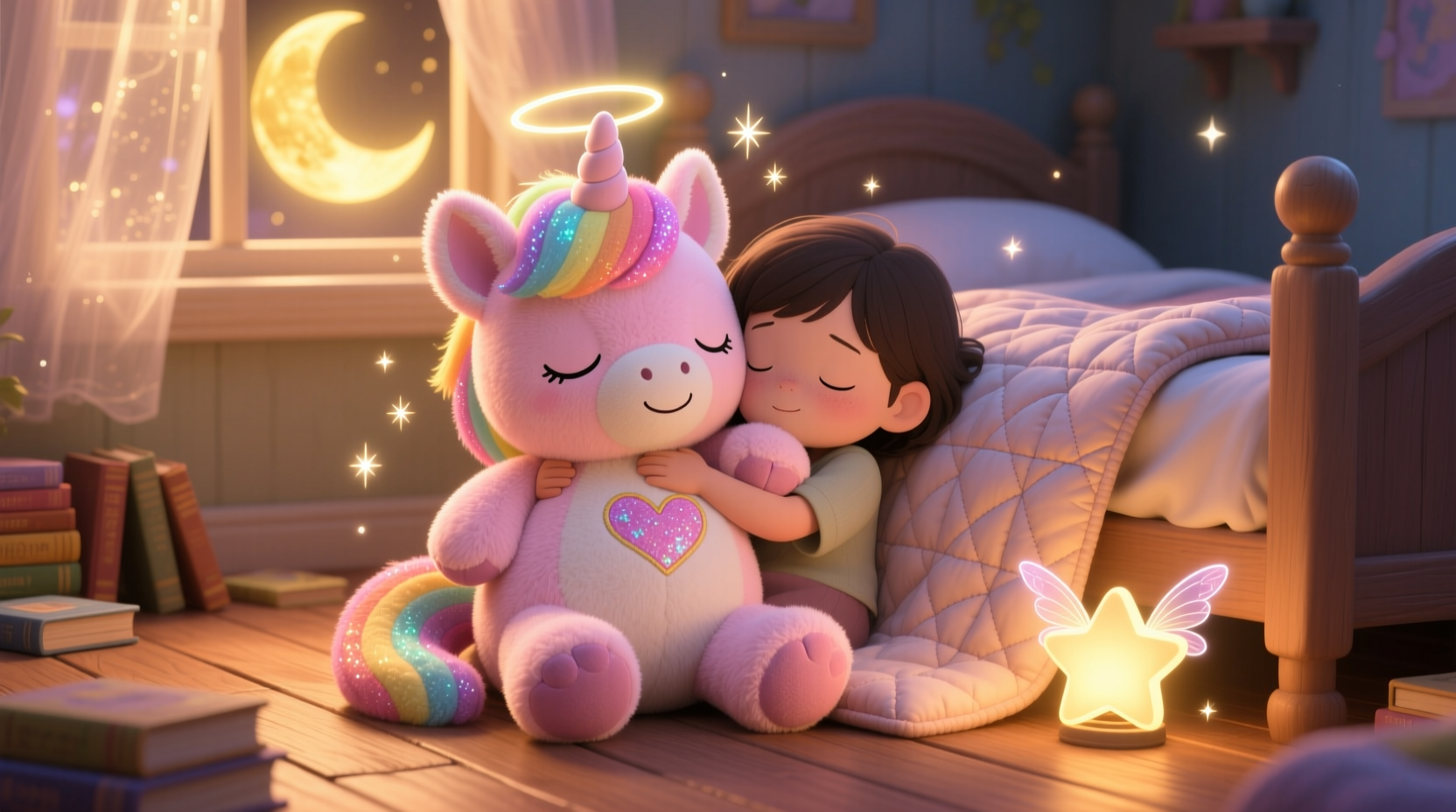
The psychological benefits of transitional objects—items that provide comfort during times of stress or change—are well-documented. According to child development experts, such objects help regulate emotions by offering a sense of continuity and safety. This principle extends into adulthood, where tactile stimulation from soft textures can trigger calming neurological responses.
“Physical touch, even with inanimate objects, activates the parasympathetic nervous system, which helps the body relax and prepare for rest.” — Dr. Lena Torres, Clinical Psychologist specializing in sleep and anxiety
A little pony plush, with its familiar shape and sensory appeal, acts as a low-effort tool for emotional regulation. Its presence can signal to the brain that it’s time to wind down, especially when paired with consistent bedtime rituals.
Personalize Your Pony for Emotional Connection
One of the most effective ways to enhance a plush toy’s comforting power is through personalization. When a little pony feels uniquely “yours,” it strengthens the emotional bond and increases its symbolic value as a protector or confidant.
- Add a tiny name tag or stitch a name onto its hoof or mane.
- Dress it in a miniature nightcap or pajama set to reinforce its role as a sleep-time partner.
- Inscribe a short message on a piece of fabric and tuck it inside a seam—something like “You’re safe tonight” or “Dream gently.”
These subtle modifications transform the plush from a generic toy into a meaningful artifact of self-care. For older users, this act of personalization can feel playful without being childish, striking a balance between whimsy and wellness.
Create a Bedtime Ritual Around Your Pony
Rituals condition the mind for sleep. Incorporating your little pony into a structured wind-down routine enhances its effectiveness as a sleep aid. The key is consistency and sensory engagement.
- Designate a special place: Place the pony on the bed an hour before sleep to begin the transition from activity to rest.
- Verbal affirmation: Whisper a short phrase like “Thanks for keeping me company” or “Let’s have peaceful dreams” as you settle in.
- Shared breathing exercise: Hold the pony close and take five slow breaths together—inhale for four counts, hold for two, exhale for six.
- Nightly “check-in”: Briefly share one positive moment from the day with the pony, treating it as a non-judgmental listener.
- Morning acknowledgment: Upon waking, thank the pony silently or aloud before setting it aside for the day.
This ritual builds a narrative of care and reciprocity, making the experience feel intentional rather than passive. Over time, the brain begins to associate the pony’s presence with calmness and safety, deepening its impact on sleep onset and quality.
Creative Uses That Extend Beyond the Pillow
The little pony doesn’t need to be limited to lying beside you. With a bit of imagination, it can play multiple supportive roles throughout the evening.
| Use Case | How to Implement | Benefits |
|---|---|---|
| Weighted Comfort | Place the pony gently across your forearm or ankle for light pressure. | Provides proprioceptive input, which can reduce restlessness. |
| Story Companion | Use the pony as a character in a mental bedtime story you narrate to yourself. | Distracts from anxious thoughts and encourages imaginative relaxation. |
| Scent Anchor | Store the pony in a drawer with a linen spray or essential oil diffuser nearby (not directly applied). | Creates a conditioned scent cue for sleep over time. |
| Gratitude Partner | Hold the pony while listing three things you’re grateful for each night. | Enhances emotional well-being and reduces pre-sleep rumination. |
| Transition Object for Travel | Bring the pony on trips to maintain sleep routine consistency. | Reduces environmental stress in unfamiliar settings. |
These applications demonstrate how a simple plush toy can be adapted to meet diverse emotional and sensory needs, particularly for those dealing with insomnia, PTSD, or generalized anxiety.
Mini Case Study: Sarah’s Nightly Routine with “Stardust”
Sarah, a 28-year-old graphic designer, struggled with racing thoughts at bedtime. After a therapist suggested using a comfort object, she chose a vintage My Little Pony plush from her childhood named Stardust. She began placing Stardust on her pillow at 9:30 PM each night, followed by a five-minute meditation where she visualized the pony “carrying away” her worries. Within two weeks, Sarah reported falling asleep 25 minutes faster on average. After a month, she incorporated a lavender sachet sewn into Stardust’s tail. “It sounds silly,” she said, “but having something soft and familiar makes the dark feel less heavy.” Her sleep diary showed improved consistency and fewer nighttime awakenings.
Checklist: Optimizing Your Little Pony for Sleep Support
Action Steps to Maximize Comfort:
- ✅ Choose a clean, undamaged pony with a texture you find soothing.
- ✅ Personalize it with a name, scent, or small accessory.
- ✅ Integrate it into a 30–60 minute pre-sleep routine.
- ✅ Use it for tactile grounding during moments of nighttime anxiety.
- ✅ Rotate or refresh its scent monthly to maintain sensory interest.
- ✅ Store it in a designated spot when not in use to preserve its meaning.
Frequently Asked Questions
Can adults really benefit from using a plush toy at night?
Absolutely. Emotional comfort isn’t age-restricted. Many adults use weighted blankets, stuffed animals, or other tactile objects to manage stress and improve sleep hygiene. The key is framing it as a self-care practice rather than a regression.
What if my pony gets dirty from nightly use?
Spot-clean stains with mild detergent and a damp cloth. For deeper cleaning, hand-wash in cold water and air-dry completely to preserve fabric integrity. Consider having a duplicate pony to rotate use and extend lifespan.
Is it okay to talk to my plush toy out loud?
Yes—and it may even help. Verbalizing thoughts, even to an inanimate object, can reduce cognitive load and process emotions. If speaking aloud feels awkward, whispering or silent internal dialogue works too.
Conclusion: Reclaim Comfort on Your Own Terms
In a world that often equates emotional strength with stoicism, choosing softness can be revolutionary. A little pony plush toy, however simple, carries the power to soften the edges of a difficult day, quiet a restless mind, and make bedtime feel like a return to safety. Whether used for sensory grounding, ritual structure, or imaginative escape, its value lies not in size or sophistication, but in the intention behind its use. You don’t need permission to seek comfort—you only need to begin.




 浙公网安备
33010002000092号
浙公网安备
33010002000092号 浙B2-20120091-4
Comments
No comments yet. Why don't you start the discussion?