
Onion soup mix packets are a pantry staple in many American households, prized for their convenience and rich umami depth. While most people associate them with reconstituting into a steaming bowl of broth-based soup, these versatile blends offer far more culinary potential than commonly realized. From enhancing meat glazes to acting as a flavor-packed dry rub, onion soup mix can elevate everyday dishes with minimal effort. Understanding how to use it creatively—and how to store it properly to maintain potency—unlocks new dimensions in home cooking. This guide explores the full spectrum of applications, storage best practices, ingredient breakdowns, and smart substitutions, empowering cooks to maximize value from every packet.
Definition & Overview
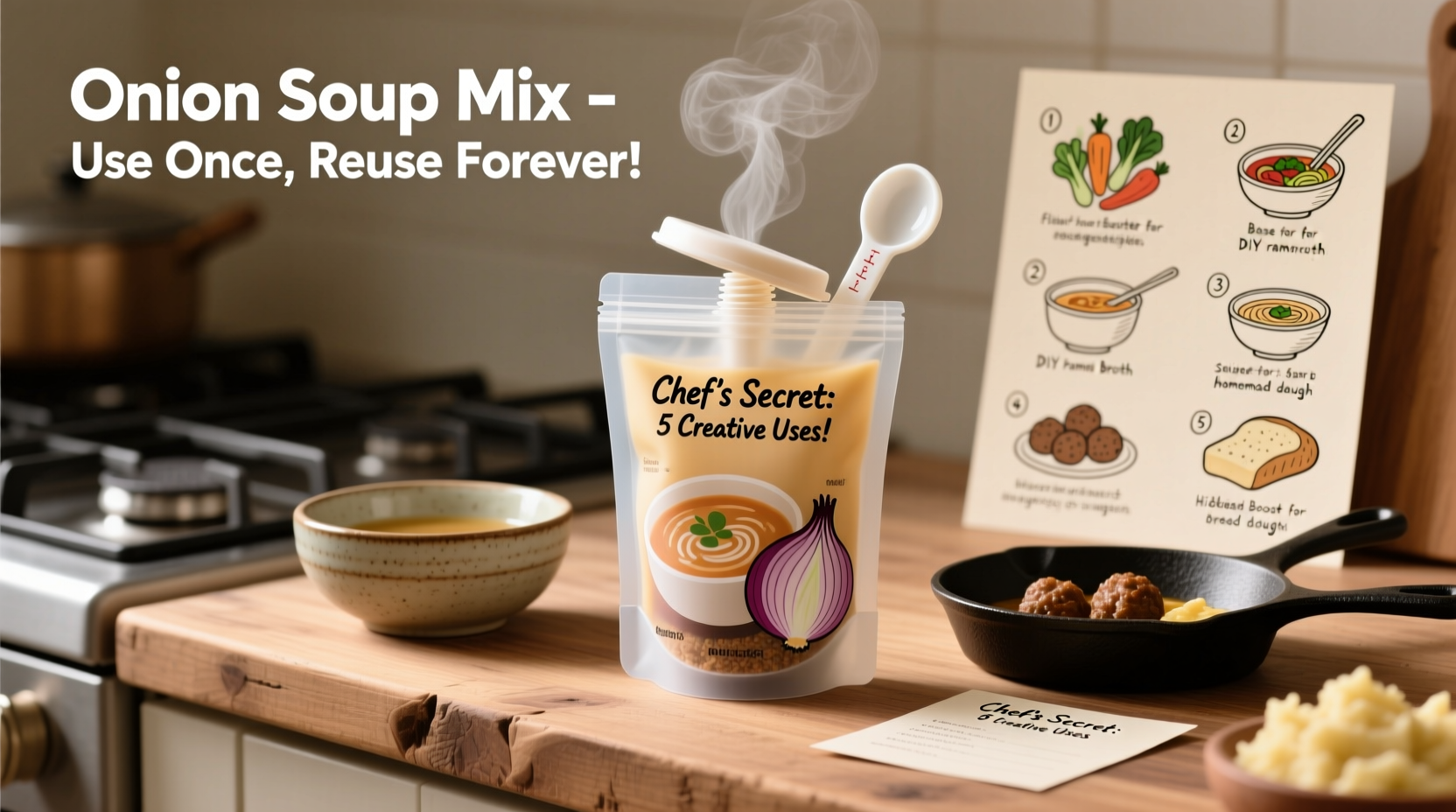
Onion soup mix is a commercially prepared blend typically composed of dehydrated onions, salt, sugar, vegetable oil (often in powder form), garlic, herbs like thyme or parsley, and sometimes monosodium glutamate (MSG) or yeast extract for enhanced savoriness. Originating in the mid-20th century alongside the rise of processed convenience foods, brands such as Lipton’s French Onion Soup Mix became household names due to their ability to deliver restaurant-style flavor at home with minimal time investment.
The mix functions primarily as a seasoning agent rather than a standalone dish. Its core purpose is to impart a deeply savory, slightly sweet, and aromatic onion-forward profile to recipes. Though traditionally used to make French onion soup by adding hot water and simmering, its concentrated flavor makes it ideal for enriching casseroles, gravies, roasted meats, and even vegetarian dishes where depth of flavor is desired without prolonged caramelization.
Key Characteristics
| Characteristic | Description |
|---|---|
| Flavor Profile | Savory, umami-rich, mildly sweet, with pronounced onion and garlic notes; often includes subtle herbal undertones. |
| Aroma | Warm, roasted-onion scent when hydrated or heated; becomes more pungent upon cooking. |
| Color/Form | Light to medium brown granular powder; may contain visible flecks of dried herbs or onion pieces. |
| Heat Level | Non-spicy; occasionally contains black pepper but generally mild on the Scoville scale. |
| Culinary Function | Seasoning enhancer, flavor base, browning aid, meat tenderizer (due to enzymatic action from onion compounds). |
| Shelf Life | 18–24 months when stored in a cool, dry place away from light and moisture. |
Practical Usage: Beyond the Soup Bowl
The true power of onion soup mix lies in its adaptability. Because it contains both flavorants and functional ingredients like sugar and fat, it performs multiple roles in cooking—seasoning, browning, moisture retention, and crust formation. Below are proven methods for integrating the mix into diverse dishes.
1. As a Meat Marinade and Tenderizer
One of the most effective uses of onion soup mix is as a marinade for beef, pork, chicken, or turkey. The natural enzymes in dehydrated onions help break down proteins, while salt draws out moisture and allows deeper penetration of flavors. Combine one packet of onion soup mix with ½ cup of water, wine, or oil and marinate tougher cuts like flank steak or pork shoulder for 4–12 hours before grilling or roasting.
Example Application: For an easy weeknight meal, mix one packet of onion soup mix with ⅓ cup ketchup and 2 tablespoons Worcestershire sauce. Use this glaze as a marinade for boneless chicken thighs; grill or bake until caramelized. The result is juicy, flavorful meat with a glossy, golden-brown finish.
2. Dry Rub for Roasts and Ribs
When used dry, onion soup mix forms an excellent crust enhancer. Sprinkle directly onto beef brisket, pork loin, or ribs before slow roasting or smoking. The sugars in the mix promote Maillard browning, while the salt enhances surface texture and flavor concentration.
TIP: For better adhesion, lightly coat the meat with mustard or olive oil before applying the dry rub. This helps the seasoning stick and creates a more uniform bark during cooking.
3. Flavor Booster in Casseroles and Stuffings
Add half a packet (or a full one, depending on size) to green bean casserole, stuffing, or scalloped potatoes. It deepens the overall savoriness without requiring additional salt. In vegetarian dishes, it compensates for the absence of meat-based broths, providing a satisfying backbone of flavor.
4. Gravy and Sauce Thickener
Mix one packet with 2 cups of warm water or pan drippings and simmer to create an instant gravy. For richer results, whisk in a tablespoon of butter or flour slurry to thicken further. This technique works exceptionally well after roasting chicken or searing steak.
5. Dip and Spread Base
Blend one packet with 8 oz of sour cream or Greek yogurt and chill for two hours to make a quick onion dip. Serve with potato chips, crudités, or pretzels. Add fresh chives or a dash of hot sauce for complexity.
\"I’ve used onion soup mix in my ranch dressing blend for years—it adds that missing savory note most homemade versions lack.\" — Sarah M., professional caterer and recipe developer
6. Breading and Crust Ingredient
Incorporate into breadcrumb coatings for baked chicken tenders, meatloaf, or fish fillets. Mix equal parts panko and crushed onion soup mix for a crisp, flavorful crust that browns beautifully in the oven.
7. Vegetable Enhancer
Toss root vegetables like carrots, parsnips, or Brussels sprouts with olive oil and one teaspoon of onion soup mix per pound before roasting. The mix amplifies natural sweetness and creates a delicate glaze as it caramelizes.
8. Homemade Seasoned Salt Alternative
Grind the contents of a packet in a spice grinder and store in a shaker jar. Use as a general-purpose seasoned salt for eggs, popcorn, grilled vegetables, or roasted nuts.
Variants & Types
While standard French onion soup mix dominates supermarket shelves, several variations exist, each suited to different applications:
- Classic French Onion: Most common; features strong onion-garlic base with hints of thyme and parsley. Ideal for meats, soups, and dips.
- Low-Sodium Versions: Marketed toward health-conscious consumers; reduced salt content may require supplementation with other seasonings for balanced flavor.
- Organic or Non-GMO Blends: Free from artificial additives and MSG; milder in intensity but cleaner in taste. Best used in whole-food-focused diets.
- Spicy Onion Mix: Includes chili flakes or paprika; suitable for Tex-Mex dishes, chili, or bold-flavored stews.
- Beef-Flavored Onion Mix: Contains hydrolyzed soy protein or beef extract; deeper umami punch, excellent in gravies and meatloaf.
Some specialty stores carry international variants, such as Asian-inspired onion mixes with ginger and soy notes, or Mediterranean blends featuring oregano and rosemary. These niche products expand the versatility of the base concept across global cuisines.
Comparison with Similar Ingredients
Onion soup mix is often confused with other pantry staples. Understanding the differences ensures proper usage and prevents flavor imbalances.
| Ingredient | Differences from Onion Soup Mix | Best Used For |
|---|---|---|
| Plain Onion Powder | Lacks salt, sugar, herbs, and fats found in soup mix; less complex flavor. | General seasoning where only onion flavor is needed. |
| Bouillon Cubes/Granules | More concentrated salt; fewer textural elements; usually no oil or sugar. | Broths, sauces needing quick salinity boost. |
| Garlic Salt | Primarily garlic + salt; lacks onion dominance and herbal components. | Garlic-forward dishes, rubs, finishing salt. |
| French Onion Soup (Homemade) | Uses real caramelized onions, wine, herbs, and beef stock; richer, deeper flavor. | Slow-simmered soups, gourmet presentations. |
| Ranch Dressing Mix | Herb-heavy (dill, parsley); lower onion presence; often contains buttermilk powder. | Dips, dressings, creamy sauces. |
Note: Substituting plain onion powder for onion soup mix requires compensation—typically 1 tsp onion powder + ½ tsp salt + ¼ tsp sugar + pinch each of garlic powder and dried thyme per serving.
Practical Tips & FAQs
How long does onion soup mix last?
Unopened packets retain peak quality for 18–24 months when stored in a cool, dark cupboard. Once opened, transfer unused portions to an airtight container and use within 6 months. Exposure to humidity causes clumping and flavor degradation.
Can I freeze onion soup mix?
Freezing is unnecessary and not recommended unless mixed with liquids (e.g., marinades). Dry mix loses potency faster in fluctuating freezer temperatures due to condensation upon thawing.
Is onion soup mix gluten-free?
Most commercial brands are gluten-free, but always check labels. Some formulations include maltodextrin derived from wheat or cross-contaminated processing lines. Certified gluten-free options are available from brands like McCormick or Frontier Co-op.
What are healthy substitutes?
To replicate the flavor without high sodium or additives:
- Make your own blend: 3 tbsp dried minced onion, 1 tsp garlic powder, 1 tsp onion powder, ½ tsp salt, ¼ tsp black pepper, ¼ tsp sugar, 1 tsp dried parsley, ½ tsp thyme.
- Use miso paste (1 tbsp per cup of liquid) for umami depth in soups.
- Combine nutritional yeast with onion powder for dairy-free, nutrient-rich alternative.
Can I use expired onion soup mix?
While not unsafe, expired mix loses aroma and flavor intensity. Test by mixing a small amount with hot water—if the scent is faint and the taste flat, discard it. Never use if moldy or has off odors.
How much should I use per dish?
Standard packets contain about ¾ oz (21g), designed for 2–4 servings of soup. When using as a seasoning:
- For marinades or rubs: Use entire packet for 1–2 lbs of meat.
- For casseroles or side dishes: Use ½ packet per 4-cup recipe.
- For dips: One packet per 8 oz of base (sour cream, yogurt).
Does onion soup mix contain MSG?
Many popular brands do include MSG or autolyzed yeast extract to enhance savoriness. If avoiding MSG, choose \"No Added MSG\" labeled versions or make your own blend.
PRO TIP: Repurpose empty packets! After emptying contents, wash and dry the foil-lined pouches—they’re perfect for freezing small batches of herbs or spices. Just reseal with a clip.
Storage Best Practices
Proper storage preserves the volatile oils and flavor compounds in onion soup mix. Follow these guidelines:
- Keep sealed: Once opened, transfer remaining mix to a glass jar with a tight lid or resealable Mylar bag.
- Avoid heat and light: Store in a dark cabinet away from the stove, oven, or sunlight.
- Control moisture: Do not store above the sink or near dishwasher vents. Include a silica gel packet to absorb ambient humidity.
- Label containers: Note the purchase or opening date to track freshness.
- Buy in moderation: Even under ideal conditions, flavor diminishes over time. Purchase only what you’ll use within a year.
Summary & Key Takeaways
Onion soup mix packets are far more than just soup starters—they are multifunctional flavor accelerators capable of transforming simple ingredients into restaurant-quality meals. Their combination of dehydrated onions, salt, sugar, herbs, and often fat or MSG delivers a balanced, savory punch ideal for marinades, rubs, dips, casseroles, and crusts.
Understanding the composition and characteristics allows for smarter usage across cuisines. Whether boosting umami in a vegetarian stew or creating a golden crust on roasted chicken, the mix proves invaluable when time and depth of flavor are competing priorities.
Storage is straightforward: keep packets sealed, cool, dry, and dark. With proper handling, they remain potent for up to two years. And for those seeking control over ingredients, homemade versions offer a customizable, additive-free alternative.
The next time you reach for that familiar yellow packet, remember—it's not just soup in a pouch. It's a shortcut to complexity, a tool for efficiency, and a testament to how small ingredients can yield big results in the kitchen.
Experiment with one new application this week—turn your onion soup mix into a meatloaf glaze, a roasted vegetable enhancer, or a quick party dip. Share your creation online with #BeyondThePacket to inspire others.




 浙公网安备
33010002000092号
浙公网安备
33010002000092号 浙B2-20120091-4
Comments
No comments yet. Why don't you start the discussion?