
Curtain straps are often overlooked as simple accessories for holding back curtains, but their potential extends far beyond basic utility. When used creatively, curtain straps can enhance room aesthetics, improve light control, support unique drapery designs, and even serve secondary organizational purposes. Whether you’re dealing with heavy floor-length panels or lightweight sheers, the right strap application can transform both function and form. This guide explores innovative uses of curtain straps across different curtain styles, offering practical ideas that blend design sensibility with everyday convenience.
Understanding Curtain Straps: More Than Just Holdbacks
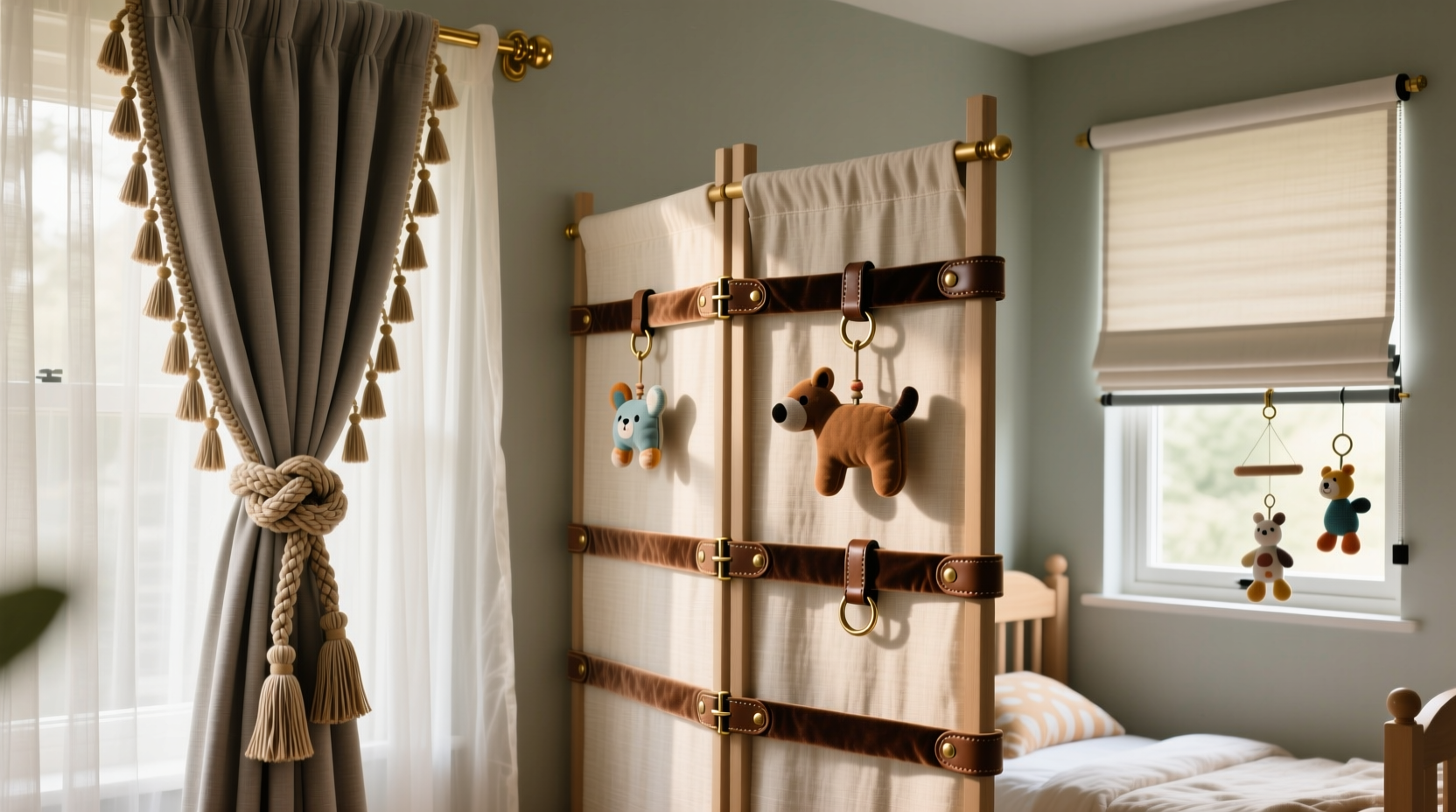
Traditionally, curtain straps—also known as tiebacks or holdbacks—are fabric loops, cords, or ribbons sewn into the edge of a curtain to gather and secure it when open. Unlike metal or wooden holdbacks mounted on walls, straps are attached directly to the curtain, offering flexibility in positioning and design. They come in materials ranging from cotton tape and grosgrain ribbon to leather and elastic, each suited to different weights and styles of fabric.
Their primary function is to keep curtains neatly pulled aside, allowing natural light to enter while preventing fabric from pooling on the floor. But with thoughtful implementation, curtain straps can do much more: define architectural rhythm, create visual symmetry, or even double as decorative accents that complement other elements in the room.
Enhancing Different Curtain Styles with Strategic Strap Placement
Not all curtains are created equal—and neither should their straps be applied uniformly. The style, weight, and fullness of your drapes determine how and where straps should be used for optimal effect.
Pleated Curtains
For pinch-pleat or goblet-pleat curtains, straps work best when placed at mid-height or slightly below. This keeps the gathered portion elevated and prevents sagging. Use wide fabric straps (1–2 inches) to distribute pressure evenly and avoid distorting the pleats.
Sheer Panels
Lightweight sheers benefit from delicate straps made of lace, satin, or sheer ribbon. Position them higher—about two-thirds up the panel—to maintain an airy, floating appearance when tied back. Avoid stiff materials that might crease or damage the fabric.
Valances and Café Curtains
In kitchens or bathrooms, café-style curtains can be secured with small looped straps fastened to the window frame or wall. These keep the lower half closed for privacy while allowing upper ventilation. Consider magnetic or snap-button straps for easy daily operation.
Heavy Drapes
Dense blackout or thermal curtains require durable straps—think webbing, leather, or reinforced nylon. Attach them near the bottom third of the panel to counteract gravitational pull. For extra support, pair fabric straps with discreet hook-and-loop fasteners hidden behind the fold.
“Curtain straps aren’t just functional—they’re part of the overall textile narrative of a room. A well-placed strap can balance proportions and elevate even the simplest window dressing.” — Lila Chen, Interior Textile Designer
Functional Innovations: Using Straps Beyond Traditional Roles
Thinking outside the box opens new applications for curtain straps that go beyond mere holdbacks. With minor modifications, they can solve common household challenges.
Room Divider Support
Hanging curtains as room dividers in studios or open-plan spaces often leads to drifting panels. Attach adjustable straps between adjacent walls to anchor the curtains in place. Elastic straps allow slight movement while maintaining position.
Versatile Light Control System
Create a dual-layer system: one sheer and one opaque. Use separate straps for each layer, enabling independent adjustment. In the morning, tie back only the blackout curtain; in the evening, close both layers and release the sheers for soft diffusion.
Temporary Fabric Enclosures
In nurseries or home offices, lightweight drop-down curtains can provide privacy or reduce glare. Secure them with Velcro-backed straps that adhere to trim or molding—no drilling required. Ideal for rentals or temporary setups.
Step-by-Step Guide: Installing Custom Curtain Straps
Installing curtain straps correctly ensures longevity and aesthetic harmony. Follow this sequence for professional results:
- Measure the pull-back distance: Determine how far you want the curtain to sweep from the window. Typically, 12–18 inches from the edge works best.
- Mark the attachment point: Hold the curtain open to the desired width and mark where the strap will connect to the panel—usually one-third or halfway down.
- Select appropriate strap material: Match strength to curtain weight. Test tension by gently pulling before finalizing.
- Sew or clip the strap: For permanent installation, hand-stitch a fabric loop using matching thread. For temporary use, opt for clamp-on or adhesive-backed hooks.
- Install the receiving end: If using a wall-mounted hook or knob, align it with the strap’s reach. Alternatively, use a self-tie design where the strap loops around itself.
- Test and adjust: Open and close the curtain several times to ensure smooth operation and proper drape.
Do’s and Don’ts: Maximizing Effectiveness with Proper Use
| Do’s | Don’ts |
|---|---|
| Use UV-resistant straps in sun-exposed areas to prevent fading. | Avoid thin strings on heavy curtains—they can cut into fabric over time. |
| Match strap color to trim, upholstery, or curtain lining for cohesion. | Don’t place straps too low on long curtains—this creates awkward bunching. |
| Wash removable straps regularly to prevent dust buildup. | Never use sharp metal hooks directly on delicate fabrics. |
| Rotate strap positions occasionally to avoid permanent creases. | Don’t ignore seasonal changes—switch to thicker straps in winter for heavier drapes. |
Real-World Example: Transforming a Sunroom with Smart Strap Design
A homeowner in Portland wanted to convert a glass-enclosed sunroom into a flexible relaxation space. The challenge was managing intense afternoon sunlight without sacrificing views. She installed double-hung curtains: a sheer inner layer and a lightweight blackout outer layer. Each had its own set of custom-made straps—one in ivory linen tape for the sheer, another in charcoal-gray webbing for the darker panel.
By using separate straps, she could fine-tune lighting throughout the day. In the mornings, only the blackout curtain was tied back. During peak sun hours, both were drawn shut and secured. In the evenings, she released the sheers for a soft glow while keeping the room enclosed. The result was improved comfort, energy efficiency, and a cohesive look that blended with her Scandinavian-inspired décor.
Frequently Asked Questions
Can I use curtain straps on motorized curtains?
Yes, but only when the curtains are manually operated or in a hybrid setup. Fully automated systems typically don’t require physical straps, though decorative straps can be added for aesthetic continuity when the curtains are fully open.
How do I clean curtain straps without removing them?
Use a soft brush and mild detergent solution for spot cleaning. For machine-washable fabrics, detach if possible. Always test cleaning agents on a small area first to avoid discoloration or shrinkage.
Are there child-safe options for curtain straps?
Absolutely. Opt for short, fixed loops or breakaway safety clips that release under pressure. Avoid long cords or dangling straps in homes with young children to prevent entanglement risks.
Final Thoughts and Call to Action
Curtain straps may seem like minor details, but their impact on both function and design is significant. From enhancing light control to supporting creative spatial layouts, these small components offer big possibilities. Whether you're refreshing existing drapes or designing a new window treatment, take a moment to reconsider how straps can contribute—not just as tools, but as intentional design choices.




 浙公网安备
33010002000092号
浙公网安备
33010002000092号 浙B2-20120091-4
Comments
No comments yet. Why don't you start the discussion?