
For those seeking the bold, fiery punch of buffalo wings without the grease or excess calories, crispy air-fried cauliflower bites deliver a satisfying alternative that doesn’t compromise on flavor. These golden morsels replicate the heat, tang, and crunch of traditional bar-style wings, using plant-based ingredients and modern kitchen technology. The rise of air frying has transformed how home cooks approach comfort food—offering crispiness through convection rather than submersion in oil. When paired with a well-balanced sauce emulating classic wing profiles, cauliflower becomes more than a side dish; it transforms into a craveable centerpiece. This preparation appeals not only to vegetarians and vegans but also to health-conscious omnivores looking for lighter renditions of indulgent favorites. With thoughtful seasoning, proper coating techniques, and precise temperature control, these bites achieve a texture and taste so close to real wings that even skeptics are often surprised.
Definition & Overview
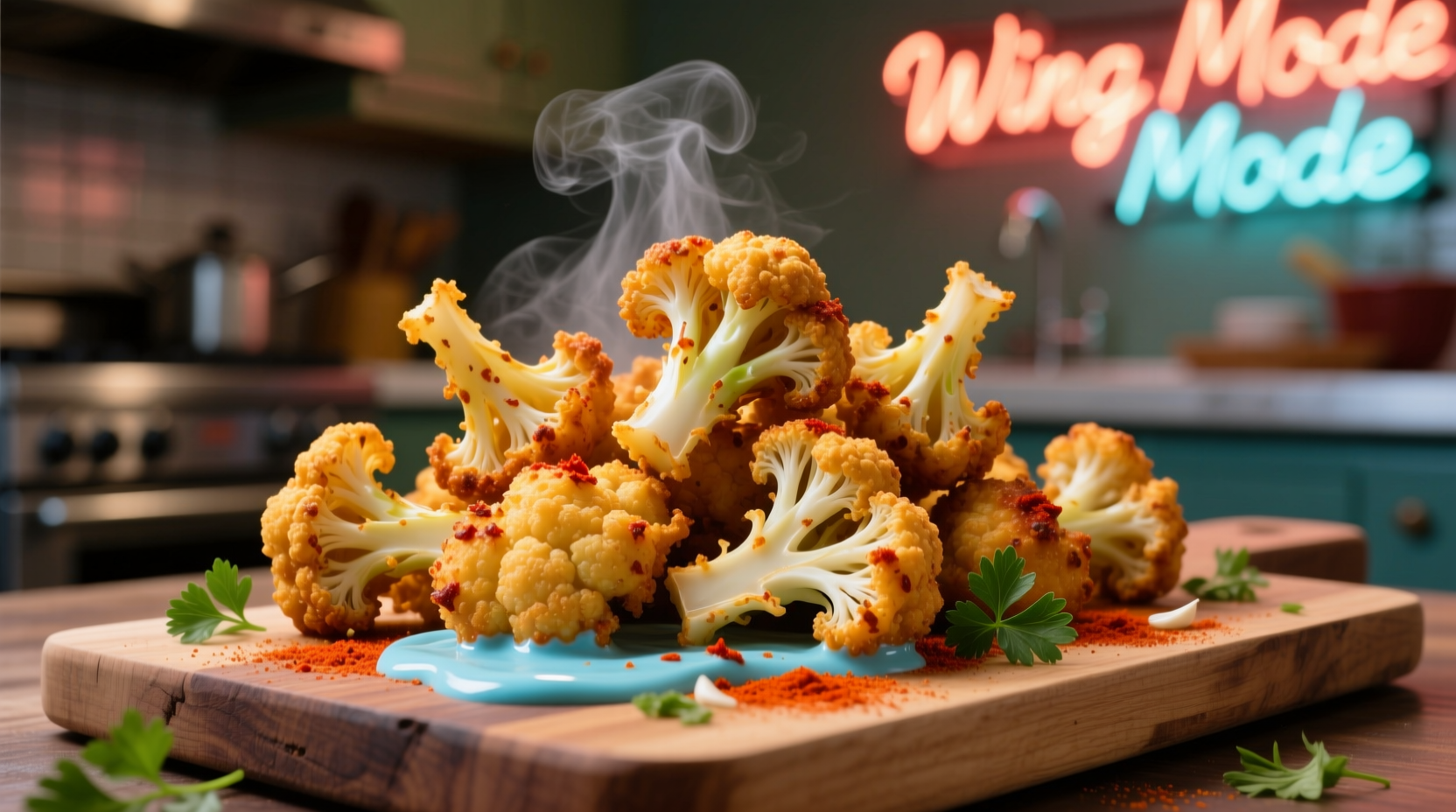
Air-fried cauliflower bites with wing-like flavor are bite-sized pieces of cauliflower florets coated in a seasoned batter or dredge, cooked in an air fryer until crisp, then tossed in a spicy, vinegar-forward sauce reminiscent of Buffalo-style chicken wings. While originating as a vegan adaptation in the early 2010s, this dish has evolved into a mainstream culinary staple found in restaurants, meal kits, and wellness-focused cookbooks. It belongs to the broader category of “plant-based reinterpretations” of classic American appetizers, where texture and umami are prioritized to mimic meat-centric dishes.
The core concept hinges on three elements: first, maximizing surface area by cutting uniform florets; second, creating a crisp exterior via light breading or flour-based adhesion; and third, applying a post-cook glaze that balances cayenne heat, garlic intensity, and acidity from distilled white vinegar or hot sauce. Unlike steamed or roasted cauliflower, which can turn soft or mushy, air frying rapidly dehydrates the outer layer, producing a shatteringly crisp crust while preserving a tender interior. The result is a high-flavor, low-fat snack or appetizer suitable for game-day spreads, casual dinners, or protein-boosted snacks.
Key Characteristics
| Attribute | Description |
|---|---|
| Flavor Profile | Spicy, tangy, garlicky, with underlying sweetness from roasted cauliflower |
| Aroma | Pungent garlic and vinegar notes, toasted spices, faint earthiness from cauliflower |
| Texture | Crisp exterior with slight resistance, tender-crisp interior; mimics fried skin |
| Color | Golden-brown after air frying, deep orange-red once sauced |
| Heat Level | Moderate to high (adjustable); typically ranges from 3–7/10 on spice scale |
| Culinary Function | Appetizer, snack, plant-based entrée component, game-day finger food |
| Shelf Life (Unserved) | Freshly cooked: up to 2 hours at room temp; best served immediately |
Practical Usage: How to Achieve Authentic Wing-Like Results
To replicate the sensory experience of buffalo wings, technique matters more than ingredient count. Begin with selecting a fresh head of cauliflower—firm, compact, and free of blemishes. Trim into evenly sized florets no larger than 1.5 inches across. Uniformity ensures consistent cooking, preventing smaller pieces from over-drying while larger ones remain underdone.
The next step involves moisture management. Pat florets thoroughly dry with paper towels. Excess water inhibits crisping and causes steaming inside the air fryer basket. For enhanced texture, some chefs recommend par-roasting at 400°F (200°C) for 10 minutes before air frying—a method that jumpstarts dehydration without full browning.
Battering options vary based on dietary goals:
- All-purpose flour slurry: Mix ½ cup flour with ¾ cup plant milk or water, pinch of salt, garlic powder. Dip florets, let excess drip off, then place directly in basket.
- Chickpea flour batter: High-protein, gluten-free option. Combine ⅓ cup chickpea flour, ¼ tsp baking powder, ½ tsp smoked paprika, enough water to reach pancake-batter consistency.
- Dry dredge only: Toss florets in seasoned flour (cornstarch enhances crispness), shake off excess, spray lightly with oil.
Regardless of method, apply a fine mist of high-smoke-point oil (avocado or refined sunflower) before air frying. This promotes Maillard reaction and prevents sticking. Cook at 390°F (199°C) for 12–15 minutes, shaking halfway, until deeply golden and crisp.
While cauliflower cooks, prepare the sauce. A standard wing-style blend includes:
- ½ cup Frank’s RedHot or similar cayenne-vinegar base
- 3 tbsp melted vegan butter or ghee (for non-vegan)
- 1½ tsp garlic powder
- ½ tsp onion powder
- Pinch of smoked paprika
- Optional: 1 tsp maple syrup or agave for balance
Simmer gently for 3–4 minutes to meld flavors. Once cauliflower emerges from the air fryer, transfer immediately to a mixing bowl, pour warm sauce over, and fold gently to coat every surface. Over-tossing risks breaking the crust, so use a silicone spatula or wide spoon.
Pro Tip: For maximum crisp retention, serve immediately after saucing. If preparing ahead, store unsauced cauliflower at room temperature for up to one hour, then re-crisp in air fryer at 380°F for 2–3 minutes before tossing.
Variants & Types
While buffalo-style dominates, several regional and creative variations exist, each altering the flavor trajectory while maintaining structural integrity.
1. Nashville Hot Style
Swap vinegar-heavy sauce for a paste made from browned butter, cayenne, paprika, garlic powder, and a touch of molasses. The result is sweeter, smokier, and intensely red. Often garnished with pickles to cut richness.
2. BBQ Ranch Fusion
Toss air-fried bites in smoky barbecue sauce, then finish with a dusting of dry ranch seasoning (buttermilk powder, dill, onion, garlic). Offers sweet-herbal contrast without wetness compromising texture.
3. Honey Sriracha Glaze
Combine sriracha, honey (or agave), rice vinegar, grated ginger, and lime juice. Simmer into a glossy reduction. Delivers Thai-inspired heat with tropical brightness.
4. Lemon-Pepper Dry Rub
No sauce required. After air frying, toss with lemon zest, cracked black pepper, flaky sea salt, and nutritional yeast for umami depth. Ideal for those avoiding added fats.
5. Global Twists
Adapt the format internationally: toss in gochujang-kochujang paste for Korean heat, tikka masala sauce for Indian flair, or peri-peri marinade for Portuguese-African spice.
| Variant Type | Sauce Base | Best Served With |
|---|---|---|
| Classic Buffalo | Cayenne-vinegar + butter | Ranch or blue cheese dip, celery sticks |
| Nashville Hot | Browned butter + spices | Dill pickle chips, brioche toast |
| Honey Sriracha | Chili-ginger glaze | Quick-pickled cucumbers, jasmine rice |
| Dry Lemon-Pepper | None (dry rub) | Lemon wedges, arugula salad |
Comparison with Similar Ingredients
Though cauliflower is the most popular base, other vegetables and preparations are sometimes substituted—often with compromised results. Understanding distinctions helps maintain authenticity.
- Cauliflower vs. Broccoli: Broccoli has higher moisture content and fibrous stems that resist even cooking. Its bitterness intensifies under heat, clashing with spicy sauces.
- Cauliflower vs. Tofu: Extra-firm tofu can absorb flavors well but lacks natural starch needed for crisp adhesion. Requires pressing and cornstarch coating, still yielding softer texture.
- Cauliflower vs. Seitan: Seitan mimics pulled chicken closely but requires homemade prep or specialty purchase. Less accessible and not whole-food plant-based.
- Air-Fried vs. Deep-Fried Cauliflower: Deep frying yields slightly better crispness but adds 200+ calories per serving. Air frying reduces fat by ~75% with minimal sacrifice in mouthfeel.
\"The genius of air-fried cauliflower isn't just in its health profile—it's in how it challenges our assumptions about what 'crispy' means. You don’t need a fryer to create textural excitement.\" — Chef Lena Tran, Plant-Based Innovation Lab
Practical Tips & FAQs
How do I prevent soggy cauliflower bites?
Sogginess arises from trapped steam or excess sauce. Ensure florets are dry before coating, avoid overcrowding the air fryer basket (work in batches if necessary), and apply sauce just before serving. Never cover cooked bites—this creates condensation.
Can I bake instead of air frying?
Yes, though results differ slightly. Preheat oven to 425°F (220°C). Place coated florets on a wire rack over a baking sheet to allow airflow. Bake 20–25 minutes, flipping halfway. Crispness will be less uniform than air frying due to slower heat circulation.
Are these truly like real wings?
In texture and heat profile—yes, when properly executed. They won’t replicate shredded chicken fiber, but they mirror the eating experience: handheld, spicy, fatty (via sauce), and balanced with cooling dips. Many diners report equal satisfaction levels in blind tastings.
What dipping sauces pair best?
- Ranch dressing (especially vegan versions with cashew or pea protein base)
- Blue cheese crumbles in creamy dressing (use dairy or almond-milk base)
- Cool cucumber-yogurt raita for Middle Eastern fusion
- Avocado-lime crema for Mexican-inspired service
Can I freeze them?
Freezing is not recommended post-cooking. Reheating frozen sauced bites leads to sogginess and loss of structure. However, uncooked battered florets can be flash-frozen on a tray, then stored in bags for up to 3 weeks. Cook directly from frozen—add 3–5 minutes to air fry time.
Is this kid-friendly?
Adjust spice level accordingly. Omit cayenne or reduce hot sauce to 2 tablespoons. Use mild barbecue or teriyaki glaze instead. Children often enjoy the bite size and crunch, especially when shaped into “trees” or served with fun dips.
How to boost protein content?
Stir 1–2 tbsp nutritional yeast into the batter for cheesy flavor and added amino acids. Serve alongside grilled tempeh strips or hummus platter. Alternatively, coat with panko breadcrumbs fortified with hemp seeds or ground flax.
Storage Tip: Store leftover unsauced cauliflower in an airtight container at room temperature for up to 6 hours. Refrigeration causes moisture absorption and ruins crispness. Reheat only in air fryer or oven—not microwave.
Summary & Key Takeaways
Crispy air-fried cauliflower bites with wing-like flavor represent a convergence of health innovation and culinary tradition. By leveraging the power of rapid-air technology and smart seasoning, home cooks can produce restaurant-quality appetizers with significantly reduced fat and calorie content. Success depends on attention to detail: drying the vegetable thoroughly, choosing the right batter or dredge, maintaining optimal air fryer temperature, and applying sauce at the final moment.
This dish transcends dietary labels—appealing equally to vegans, flexitarians, fitness enthusiasts, and families seeking nutritious alternatives to fried foods. Variations allow customization across global flavor profiles, making it adaptable for diverse palates. Compared to substitutes like broccoli or tofu, cauliflower remains unmatched in its ability to balance absorbency and structural integrity under heat.
Ultimately, these bites prove that indulgence and wellness are not mutually exclusive. With minimal equipment and pantry staples, anyone can recreate the thrill of game-day wings in a form that aligns with modern nutritional priorities. Whether served as finger food, atop salads, or alongside roasted vegetables, air-fried cauliflower offers a template for reinventing comfort cuisine—one crisp, spicy bite at a time.
Try this recipe at your next gathering—you might just start a new tradition.




 浙公网安备
33010002000092号
浙公网安备
33010002000092号 浙B2-20120091-4
Comments
No comments yet. Why don't you start the discussion?