
For home cooks seeking a healthier alternative to deep-fried vegetables without sacrificing crunch or flavor, air-fried cauliflower has emerged as a standout solution. Achieving true crispiness—golden edges, tender interiors, and bold seasoning—requires more than just tossing florets into the basket. Many attempts end in disappointment: soggy results, uneven browning, or bland taste. The difference between mediocrity and mastery lies in understanding moisture control, batter science, temperature precision, and seasoning strategy. This guide distills professional techniques into actionable steps, ensuring consistent, crave-worthy results every time. Whether you're serving it as an appetizer, side, or plant-based main, these insights transform a simple cruciferous vegetable into a culinary highlight.
Definition & Overview
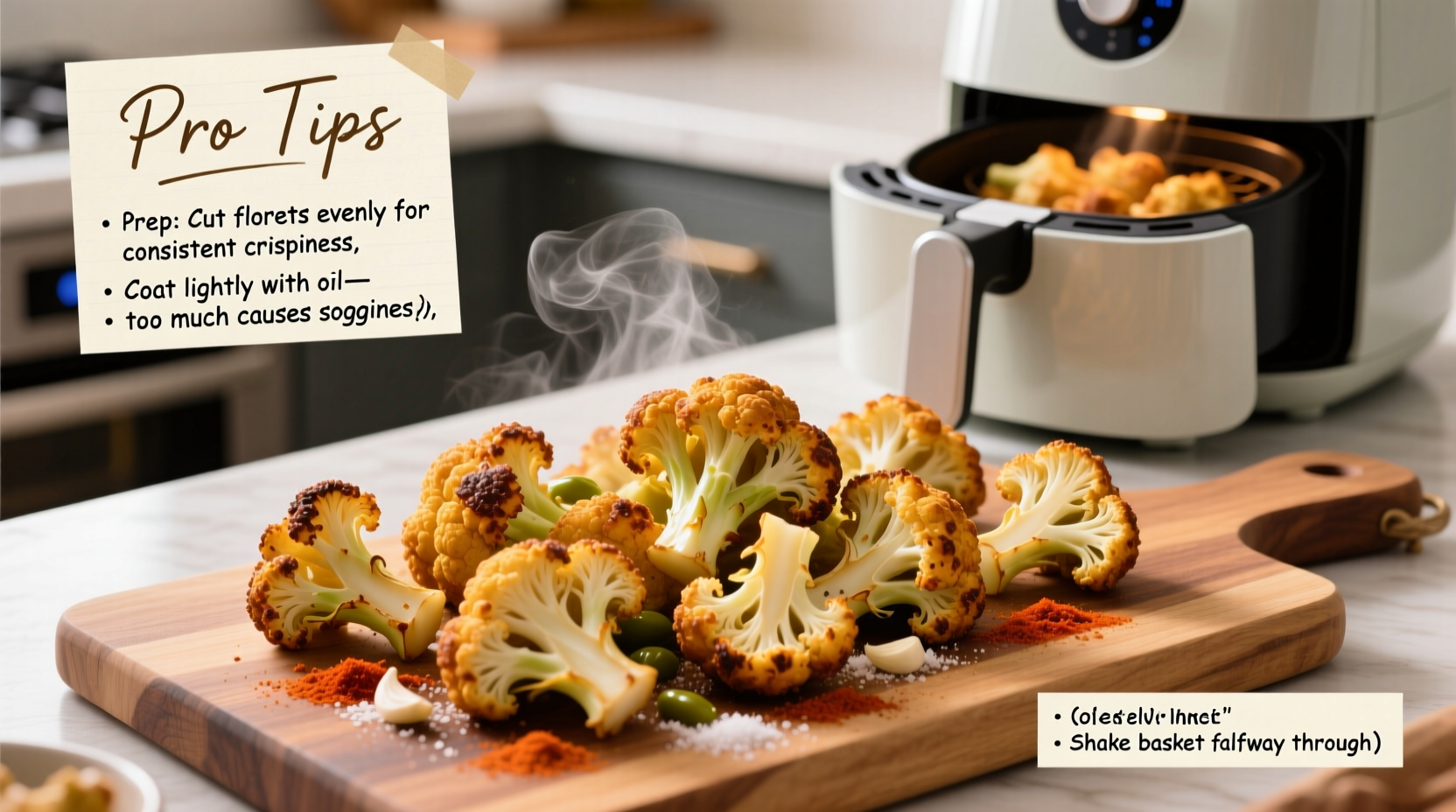
Air-fried cauliflower refers to cauliflower florets cooked in a countertop air fryer using rapid convection heat to simulate deep-frying with minimal oil. Unlike boiling or steaming, which leach flavor and soften texture, air frying concentrates heat to create Maillard browning—the chemical reaction responsible for savory, complex flavors and crisp exteriors. While cauliflower itself is a member of the Brassicaceae family and native to the eastern Mediterranean, its modern reinvention as a crispy snack or protein substitute reflects contemporary interest in low-carb, gluten-free, and plant-forward eating.
The appeal of air frying lies in its efficiency and health profile. Using 70–90% less oil than traditional frying, it reduces caloric intake while preserving the sensory satisfaction of crunch. When properly executed, air-fried cauliflower delivers a textural contrast similar to fried chicken skins or falafel—crisp on the outside, creamy within—without greasiness. Its neutral base readily absorbs spices, sauces, and marinades, making it adaptable across global cuisines from Indian pakoras to Korean-style buffalo bites.
Key Characteristics
- Flavor Profile: Naturally mild and slightly sweet when raw; develops nutty, toasted notes when caramelized.
- Aroma: Earthy and faintly sulfurous when raw; becomes warm and roasted after cooking.
- Texture Goal: Crisp exterior with a tender-crisp interior; no mushiness or raw bite.
- Color: Pale ivory when raw; golden to deep amber when optimally crisped.
- Culinary Function: Appetizer, side dish, meat substitute (e.g., in tacos or bowls), or snack.
- Shelf Life: Best consumed immediately; leftovers keep up to 3 days refrigerated but lose crispness.
- Dietary Flexibility: Naturally vegan, gluten-free (if coated appropriately), low-calorie, and keto-friendly.
Practical Usage: How to Achieve Crispy Air-Fried Cauliflower
The foundation of success begins long before the air fryer turns on. Moisture is the enemy of crispiness. Raw cauliflower contains up to 92% water, which must be managed through preparation, drying, and coating strategies.
Step 1: Cut Uniformly, Trim Strategically
Select a firm, dense head with tight curds. Remove the outer leaves and core, then slice into 1.5-inch florets. Uniform size ensures even cooking—small pieces burn, large ones steam internally. For maximum surface area and edge development, cut some flat-sided pieces that expose more cross-section to heat.
Step 2: Dry Thoroughly
After washing (if needed), spread florets on a clean kitchen towel or paper towels. Pat aggressively until no moisture remains. Even residual dampness inhibits browning. For critical applications, let them air-dry for 15–20 minutes at room temperature.
Step 3: Par-Cooking Options
While optional, par-cooking enhances texture control:
- Blanching: Dip in boiling water for 60 seconds, then shock in ice water. Removes excess moisture and firms texture.
- Steam (Brief): 2–3 minutes only. Softens slightly without sogginess.
- No Par-Cook: Ideal for smaller florets or seasoned coatings that adhere better to raw surfaces.
If skipping par-cook, increase air fry time by 2–3 minutes.
Step 4: Coating Strategy
Three primary methods yield different textures:
- Dry Spice Rub Only: Toss florets with 1 tsp oil (avocado, grapeseed) and spices. Fast, clean, healthy. Best for experienced users who understand heat distribution.
- Egg Wash + Breadcrumb/Panko: Dip in beaten egg (or plant-based milk + vinegar), then coat with breadcrumbs, panko, or crushed cornflakes. Creates a thick, shatteringly crisp crust. Use gluten-free alternatives if needed.
- Batter-Based: Thin batter made from flour (rice, chickpea, all-purpose) and liquid (water, beer, plant milk). Creates a tempura-like shell. Must be applied thinly to avoid gumminess.
Regardless of method, use no more than 1 tablespoon of oil per pound of cauliflower. Excess oil pools and steams rather than crisps.
Step 5: Air Fryer Technique
Preheat the air fryer to 390°F (200°C) for at least 5 minutes. Arrange florets in a single layer with space between each piece—overcrowding causes steaming. Cook in batches if necessary.
Fry at 390°F for 12–15 minutes, flipping halfway through. Increase to 400°F in the final 2–3 minutes for extra browning. Internal temperature should reach 185–195°F for optimal tenderness without sogginess.
Pro Tip: Place a silicone mat or parchment liner with perforations in the basket to prevent sticking and promote airflow. Avoid foil unless crimped to allow ventilation.
Step 6: Season After Cooking (When Applicable)
Delicate herbs (cilantro, parsley), citrus zest, or finishing salts burn under high heat. Toss hot cauliflower with these elements immediately after frying. For saucy versions (buffalo, teriyaki), dip or drizzle post-cook to preserve crispness.
Variants & Types
Cauliflower's versatility allows for multiple interpretations based on coating, seasoning, and cultural inspiration.
| Variant | Coating/Method | Seasoning Profile | Best Use Case |
|---|---|---|---|
| Spiced Roasted Style | Olive oil + dry rub | Cumin, coriander, turmeric, smoked paprika | Middle Eastern mezze, grain bowls |
| Panko-Crusted | Egg wash + panko | Garlic powder, onion powder, parsley | Appetizer with dipping sauce |
| Buffalo Style | Batter or dry spice, tossed post-fry | Hot sauce + butter (or vegan alternative) | Game day snack, lettuce wraps |
| Tempura-Style | Chilled batter (ice water + rice flour) | Minimal seasoning; serve with tentsuyu | Japanese-inspired small plates |
| Taco-Ready | Light oil + chili-lime rub | Chipotle, cumin, lime zest, oregano | Soft tortillas with slaw and crema |
Each variant demands slight adjustments. Panko-crusted types benefit from a light spray of oil before frying to encourage browning. Buffalo-style requires immediate saucing after cooking to balance heat and moisture without compromising crunch.
Comparison with Similar Ingredients
Cauliflower is often substituted for or compared with other vegetables in air frying. Understanding differences prevents flawed technique transfer.
| Vegetable | Moisture Level | Texture Outcome | Adjustments Needed |
|---|---|---|---|
| Cauliflower | High (92%) | Crisp outside, creamy inside | Requires thorough drying, moderate oil |
| Broccoli | Very high (91%) | More fibrous, prone to charring | Shorter cook time, lower temp (375°F) |
| Zucchini | Extremely high (95%) | Soggy unless pre-salted | Salt slices, rest 10 mins, pat dry |
| Sweet Potato | Moderate (77%) | Dense, caramelized | Thinner cuts, longer cook time |
| Mushrooms | Variable (80–90%) | Meaty, chewy | No oil needed; they release their own |
Unlike mushrooms or sweet potatoes, cauliflower lacks natural sugars for caramelization and structural starches like potatoes. It relies on external coatings and precise dehydration to achieve crispness. Broccoli’s tougher stems require separate treatment, while zucchini’s porosity demands aggressive moisture removal.
Practical Tips & FAQs
How do I prevent soggy cauliflower?
Sogginess arises from trapped steam. Ensure florets are completely dry before oiling. Do not overcrowd the basket. Flip halfway. If using batter, keep it thin—no more than the consistency of heavy cream. Let cooked pieces rest on a wire rack, not a plate, to prevent bottom condensation.
Can I make it crispy without any oil?
Technically yes, but results vary. Oil aids heat transfer and browning. Without it, expect paler, drier florets with less Maillard development. A fine mist of oil spray (avocado or grapeseed) yields better results than none.
What’s the best oil for air frying cauliflower?
Choose oils with high smoke points: avocado (520°F), refined coconut (400°F), or grapeseed (420°F). Avoid extra virgin olive oil (smoke point ~375°F), which can burn and impart bitterness.
Can I freeze air-fried cauliflower?
Not recommended. Freezing destroys cell structure, leading to sogginess upon reheating. Instead, store uncooked, prepped florets in a sealed container for up to 2 days.
Why didn’t my coating stick?
Wet surfaces repel dry coatings. Always dry florets thoroughly. For breadcrumb adherence, use a three-step process: flour → egg wash → crumbs. Chill for 10 minutes before frying to set the coating.
How do I reheat leftovers without losing crisp?
Reheat in the air fryer at 375°F for 3–5 minutes. Avoid microwaving, which creates steam. Oven reheating (on a rack, not a tray) also works well.
Is air-fried cauliflower really healthier?
Yes. Compared to deep-fried (which absorbs 15–25% oil by weight), air-fried versions use less than 5%. This reduces fat and calories significantly while maintaining satiety and flavor. Retains more vitamin C than boiling due to shorter cook times.
Storage Tip: Keep raw, cut cauliflower in an airtight container lined with a dry paper towel. Lasts 4–5 days in the fridge. Do not wash until ready to use.
\"The secret to great air-fried cauliflower isn't the machine—it's moisture management. Treat it like you would fish before searing: dry, dry, dry.\" — Chef Lena Tran, Plant-Based Culinary Institute
Summary & Key Takeaways
Perfectly crispy air-fried cauliflower hinges on controlling variables that affect texture and flavor. Start with dry, uniformly cut florets. Choose a coating method aligned with your desired outcome—dry spice rubs for simplicity, batters or breadcrumbs for crunch. Use high heat (390–400°F), preheat the appliance, and avoid overcrowding. Season strategically, adding delicate elements post-cook. Understand that cauliflower behaves differently than other vegetables due to its high water content and lack of natural starch or sugar.
Mastering this technique unlocks endless variations: smoky harissa glaze, lemon-pepper finish, or gochujang-glazed bites. It serves as a canvas for global flavors while aligning with dietary preferences from vegan to low-carb. Beyond taste, it exemplifies modern cooking philosophy—maximizing pleasure with minimal compromise.
To elevate your next attempt, focus on one variable at a time: first perfect drying, then experiment with coatings, then refine timing. Document what works. Soon, you’ll produce results that rival restaurant kitchens—all from a countertop appliance and a humble head of cauliflower.
Challenge Yourself: Try making a double-coated version—dust with cornstarch, dip in batter, then sprinkle with panko. The layered crunch mimics fried calamari and impresses even skeptical eaters.




 浙公网安备
33010002000092号
浙公网安备
33010002000092号 浙B2-20120091-4
Comments
No comments yet. Why don't you start the discussion?