
Keychains are more than just functional accessories—they’re personal expressions of style, hobbies, and identity. In recent years, two distinct types have gained massive popularity: hand-crocheted yarn keychains and molded silicone charms. While both offer charm and customization, a growing number of users are asking a practical question—when it comes to everyday wear and tear, which one truly stands the test of time? The answer isn’t as simple as it seems, but with a close look at materials, construction, environmental exposure, and long-term care, we can determine which option offers superior durability.
Understanding the Materials Behind Each Keychain Type
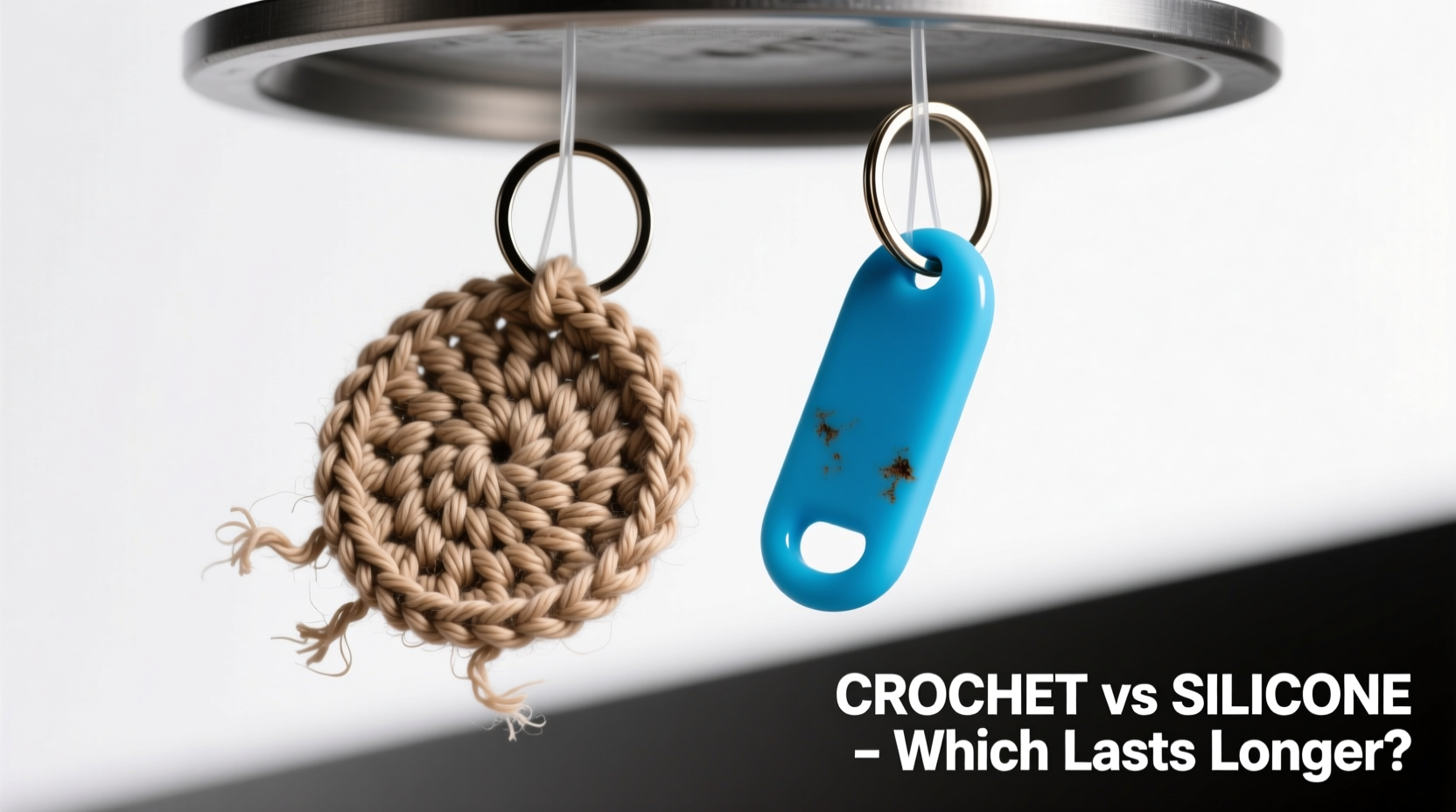
The foundation of durability lies in material composition. Crochet keychains are typically made from acrylic, cotton, or wool yarns, carefully looped together using a hook to form intricate patterns. These textiles provide softness, texture, and vibrant colors, making them popular for gifts and fashion statements. However, their organic or synthetic fiber base introduces vulnerabilities to moisture, friction, and UV exposure.
Silicone keychains, on the other hand, are composed of synthetic polymers derived from silicon, oxygen, carbon, and hydrogen. This rubber-like material is inherently water-resistant, flexible, and chemically stable. Most commercial silicone keychains are injection-molded, resulting in seamless, solid structures that resist cracking under moderate stress. Their non-porous surface also resists stains and microbial growth, giving them an edge in hygiene and longevity.
“Silicone’s molecular stability makes it far more resilient in daily carry environments than textile-based crafts,” says Dr. Lena Torres, materials scientist at the Sustainable Design Lab, University of Oregon. “While crochet has aesthetic value, its fibers degrade faster when exposed to abrasion and humidity.”
Durability Face-Off: Wear, Tear, and Environmental Stress
To assess real-world performance, consider how each keychain type handles common stressors:
- Abrasion resistance: Keys constantly rub against bags, pockets, and surfaces. Crochet yarns fray over time, especially at contact points like keyrings. Silicone maintains integrity due to its smooth, elastic surface.
- Moisture exposure: Accidental drops in water, rain, or even sweat can saturate yarn, leading to mildew, color bleeding, or shrinkage. Silicone repels water and dries quickly without damage.
- UV degradation: Sunlight weakens chemical bonds in dyes and fibers. Crocheted pieces may fade or become brittle after prolonged sun exposure. High-quality silicone resists UV fading significantly better.
- Tensile strength: If a keychain gets caught or pulled, crochet relies on knot integrity. A single loose stitch can unravel the entire piece. Silicone stretches without breaking and returns to shape.
Comparative Analysis: Crochet vs Silicone
| Factor | Crochet Keychains | Silicone Keychains |
|---|---|---|
| Material Longevity | Moderate – degrades with frequent use | High – maintains integrity for years |
| Water Resistance | Poor – absorbs moisture, prone to mold | Excellent – fully waterproof |
| Fade Resistance | Low – colors bleed and fade in sunlight | High – UV-stable pigments |
| Impact & Stretch Tolerance | Low – knots loosen, fibers snap | Very High – elastic, shock-absorbent |
| Maintenance Needs | High – requires drying, gentle cleaning | Low – wipe clean, no special care |
| Eco-Friendliness (End of Life) | Biodegradable (if natural fibers used) | Non-biodegradable but recyclable in some facilities |
Real-World Example: A Year-Long Keychain Test
In 2023, lifestyle blogger Mara Kim conducted a side-by-side durability trial using two custom keychains: one crocheted with premium acrylic yarn, the other a custom-designed silicone charm, both attached to her daily-use keys. After 12 months of constant pocket carry, accidental washes, and outdoor exposure, the results were telling.
The crochet keychain showed visible pilling, discoloration along the edges, and a slight unraveling near the metal ring. It had been washed twice after being left in laundry pockets, causing minor shrinking. In contrast, the silicone keychain retained its original shape, color, and texture. Despite being dropped in puddles and exposed to sand at the beach, a quick rinse restored it to pristine condition.
Kim concluded: “I love the handmade feel of crochet, but if I’m honest, I replaced mine three times last year. The silicone one? Still going strong.”
Maintenance and Care: How User Habits Influence Lifespan
Durability isn’t solely about material—it’s also shaped by user behavior. Even the most robust item fails under neglect, while proper care can extend the life of less resilient ones.
Crochet keychains benefit from occasional hand-washing with mild detergent, air-drying flat, and storage away from direct sunlight. Avoid machine washing unless labeled safe. For added protection, some crafters apply fabric sealants to reduce moisture absorption, though this may alter texture.
Silicone keychains require almost no maintenance. Wipe with a damp cloth if dirty, or use rubbing alcohol for disinfection. They can withstand boiling water (for sterilization) and extreme temperatures (-40°C to 230°C for food-grade variants). However, sharp objects can puncture them, so avoid storing with knives or tools.
Action Checklist: Maximizing Keychain Longevity
- Choose silicone for high-use or outdoor environments.
- Inspect crochet keychains monthly for loose stitches.
- Remove keychains before laundering clothes.
- Store unused keychains in dry, ventilated containers.
- Use a protective coating on crochet items if frequent washing is expected.
- Replace metal rings if they show signs of rust or deformation.
When Crochet Makes Sense—Despite Lower Durability
While silicone wins in pure durability metrics, crochet keychains serve purposes beyond function. They represent craftsmanship, emotional value, and seasonal trends. Many people collect crochet charms as tokens from loved ones or as part of hobby communities. In low-stress uses—such as decorative bag tags, gift toppers, or indoor display items—crochet remains a meaningful choice.
Additionally, eco-conscious users may prefer biodegradable cotton or wool yarns over petroleum-based silicone, despite the latter’s longer lifespan. There’s also a growing movement toward upcycling old crochet pieces into new designs, reducing waste through creativity rather than disposal.
Frequently Asked Questions
Can I make a crochet keychain more durable?
Yes. Use tightly woven stitches (like double crochet instead of chain), select acrylic or mercerized cotton yarns, and apply a light fabric sealant spray. Reinforce the attachment loop with extra stitching or a leather backing.
Do all silicone keychains last equally long?
No. Low-quality silicone may contain fillers that cause cloudiness, stickiness, or cracking over time. Opt for platinum-cure or food-grade silicone from reputable sellers for maximum durability.
Are silicone keychains safe to chew on?
Some are marketed as chewable (e.g., for sensory needs), but only if explicitly labeled non-toxic and BPA-free. Never allow children to chew on untested silicone products.
Final Verdict: Which Should You Choose?
If your priority is longevity, resistance to the elements, and minimal upkeep, silicone keychains are objectively more durable. They withstand daily abuse that would quickly degrade even the best-crafted crochet piece. For commuters, travelers, parents, or anyone who tosses keys into chaotic bags, silicone is the smarter long-term option.
However, crochet retains irreplaceable sentimental and artistic value. When used mindfully—for light-duty decoration or as cherished keepsakes—it continues to hold a place in the accessory world. The key is matching the material to the intended use.




 浙公网安备
33010002000092号
浙公网安备
33010002000092号 浙B2-20120091-4
Comments
No comments yet. Why don't you start the discussion?