
In an era where smartphones are both essential and fragile, dropping your device isn’t just inconvenient—it can be costly. From cracked screens to water damage from bathroom floor encounters, the risks are real. As a result, accessories like crossbody cases and PopSockets have surged in popularity, each promising to keep your phone secure. But when it comes to actual drop prevention, which one delivers more reliable protection? This article dives into functionality, design, user behavior, and real-world testing to answer that question with clarity.
The Mechanics of Phone Drops: Why They Happen
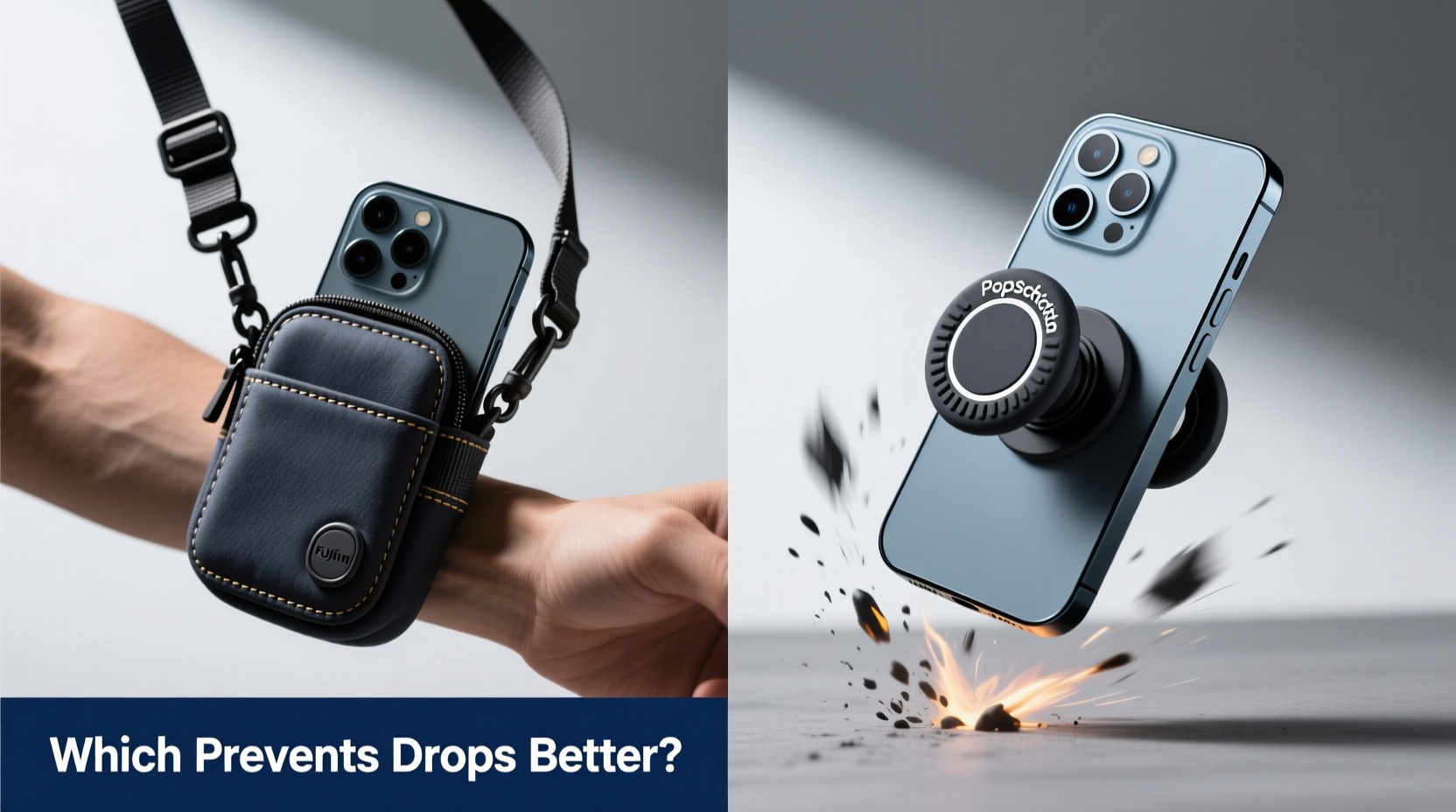
Most phone drops occur due to a combination of grip failure, distraction, and environmental factors. Studies from insurance providers like SquareTrade suggest that over 70% of smartphone owners experience at least one drop within the first year of ownership. The primary causes include:
- Slipping from sweaty or wet hands
- Losing grip while multitasking (walking, drinking coffee, texting)
- Poor pocket retention leading to accidental falls
- Using phones on unstable surfaces (e.g., car dashboards, countertops)
Understanding these triggers is key to evaluating whether a crossbody case or a PopSocket addresses the root cause more effectively.
Crossbody Cases: Security Through Design
A crossbody case integrates a detachable strap that allows you to wear your phone across your torso, much like a small camera or compact purse. These cases often combine rugged protection with functional carrying systems. Key advantages include:
- Constant physical tethering: The phone remains attached to your body, making accidental drops nearly impossible during movement.
- Hands-free convenience: Ideal for walking, shopping, or traveling through crowded areas.
- Anti-theft benefit: Deters opportunistic snatching in public spaces.
However, crossbody cases aren’t without drawbacks. Many users report discomfort from prolonged wear, especially if the strap digs into the shoulder or neck. Additionally, bulkiness can make pocket storage impractical, and some models interfere with wireless charging or port access.
PopSockets: Grip Enhancement vs. Drop Prevention
PopSockets are collapsible adhesive grips that attach to the back of your phone or case. When expanded, they provide extra leverage for holding the phone securely. Their main strengths lie in ergonomics:
- Improved grip: Especially useful for larger phones that are hard to hold with one hand.
- Flexible positioning: Can be placed to suit left- or right-handed use.
- Multifunctional: Doubles as a stand for media viewing.
Despite their popularity, PopSockets do not physically prevent drops—they only reduce the likelihood by improving grip. If your hand opens involuntarily (due to shock, tripping, or muscle fatigue), the phone can still fall. Moreover, the adhesive may degrade over time, leading to detachment, particularly in humid or hot environments.
“Grip aids like PopSockets help, but they’re reactive solutions. True drop prevention requires a physical tether.” — Dr. Lena Patel, Human Factors Engineer at MIT Mobile Interaction Lab
Head-to-Head Comparison: Real-World Effectiveness
| Feature | Crossbody Case | PopSocket |
|---|---|---|
| Drop Prevention Mechanism | Physical strap tethering phone to body | Improved grip via finger anchor |
| Effectiveness in Motion | Excellent (phone stays secured) | Fair (still vulnerable to slip) |
| Comfort Over Time | Moderate (strap pressure can irritate) | High (low profile when collapsed) |
| Durability & Maintenance | High (straps replaceable, sturdy build) | Medium (adhesive fails over time) |
| Pocket Compatibility | Poor (bulky with strap) | Good (slim when flat) |
| Best Use Case | Travel, crowded events, active use | Media consumption, daily indoor use |
Mini Case Study: Commuter vs. Content Creator
Consider two real-world scenarios:
Sarah, the Urban Commuter: Sarah takes the subway daily, often juggling groceries and her phone. She used a PopSocket for months but lost her phone twice—once when the adhesive failed mid-commute, and once when she dropped it while boarding a train. After switching to a crossbody case, she hasn’t lost her phone in over a year, despite frequent movement and packed transit.
James, the Social Media Creator: James films short videos and edits on his phone throughout the day. He prefers a slim profile and uses his phone mostly at home or in cafes. A PopSocket helps him stabilize shots and comfortably scroll through editing apps. He’s never dropped his phone, attributing this to careful handling rather than the accessory alone.
This contrast highlights a critical insight: context determines effectiveness. For mobile, high-risk environments, crossbody cases offer superior protection. For controlled, low-motion use, PopSockets enhance usability without compromising portability.
Actionable Checklist: Choosing the Right Solution
Use this checklist to determine which option suits your lifestyle:
- Do you frequently walk, run errands, or use public transit? → Lean toward crossbody case.
- Do you often place your phone on tables, counters, or laps? → PopSocket improves grip during pickup.
- Are you prone to sweaty hands or using your phone in humid conditions? → Avoid PopSocket adhesive issues; consider crossbody.
- Do you value slim design and pocketability? → PopSocket is likely the better fit.
- Have you already experienced a phone drop in the past six months? → Strongly consider a tethered solution like a crossbody case.
Can You Combine Both?
Yes—and many users do. Attaching a PopSocket to a crossbody case offers dual-layer security: the strap prevents complete loss, while the grip improves control when actively using the phone. However, ensure the combined bulk doesn’t interfere with the strap’s function or make the phone awkward to handle.
FAQ
Does a PopSocket really stop phone drops?
No—it reduces the chance of slipping by improving grip, but it doesn’t physically secure the phone. If your hand opens unexpectedly, the phone can still fall.
Are crossbody cases safe in emergencies?
Yes. Most feature quick-release mechanisms allowing you to detach the phone instantly if needed. Always test the release function before relying on it in high-stress situations.
Which option is better for seniors or those with limited grip strength?
Crossbody cases are generally safer for individuals with reduced hand strength, as they eliminate reliance on grip entirely. PopSockets can help, but they still require active hand engagement.
Final Verdict: What Actually Prevents Drops?
When it comes to preventing phone drops, the distinction between *risk reduction* and *actual prevention* matters. PopSockets improve grip and usability—they are excellent ergonomic tools. But they don’t stop a phone from falling if it slips from your hand.
Crossbody cases, by contrast, act as true preventative devices. The physical strap creates a fail-safe: even if you lose your grip, the phone stays connected to you. In high-mobility scenarios—travel, festivals, workouts, or parenting with a phone in hand—this difference is decisive.
Ultimately, the “better” choice depends on your usage pattern. If you prioritize absolute drop protection, the crossbody case wins. If you value convenience, aesthetics, and light support, the PopSocket is a solid secondary aid.
Conclusion: Make Your Choice Based on Reality, Not Hype
Don’t let trends dictate your phone safety. While PopSockets dominate social media and look sleek on Instagram, they don’t offer the same level of physical security as a crossbody case. For anyone who’s ever winced at the sound of a phone hitting tile, investing in a tethered solution could save hundreds in repair costs and endless frustration.




 浙公网安备
33010002000092号
浙公网安备
33010002000092号 浙B2-20120091-4
Comments
No comments yet. Why don't you start the discussion?