
Everyday carry bags aren’t just about style—they’re an extension of your routine. Whether commuting, running errands, or navigating a packed day, the right bag can make all the difference. Two of the most popular options—crossbody and shoulder bags—are often pitted against each other in terms of comfort. But which one actually wins for daily wear? The answer isn’t universal; it depends on body type, lifestyle, load, and even posture habits. Let’s break down the real-world performance of both styles to help you choose wisely.
Ergonomic Design: How Each Bag Distributes Weight
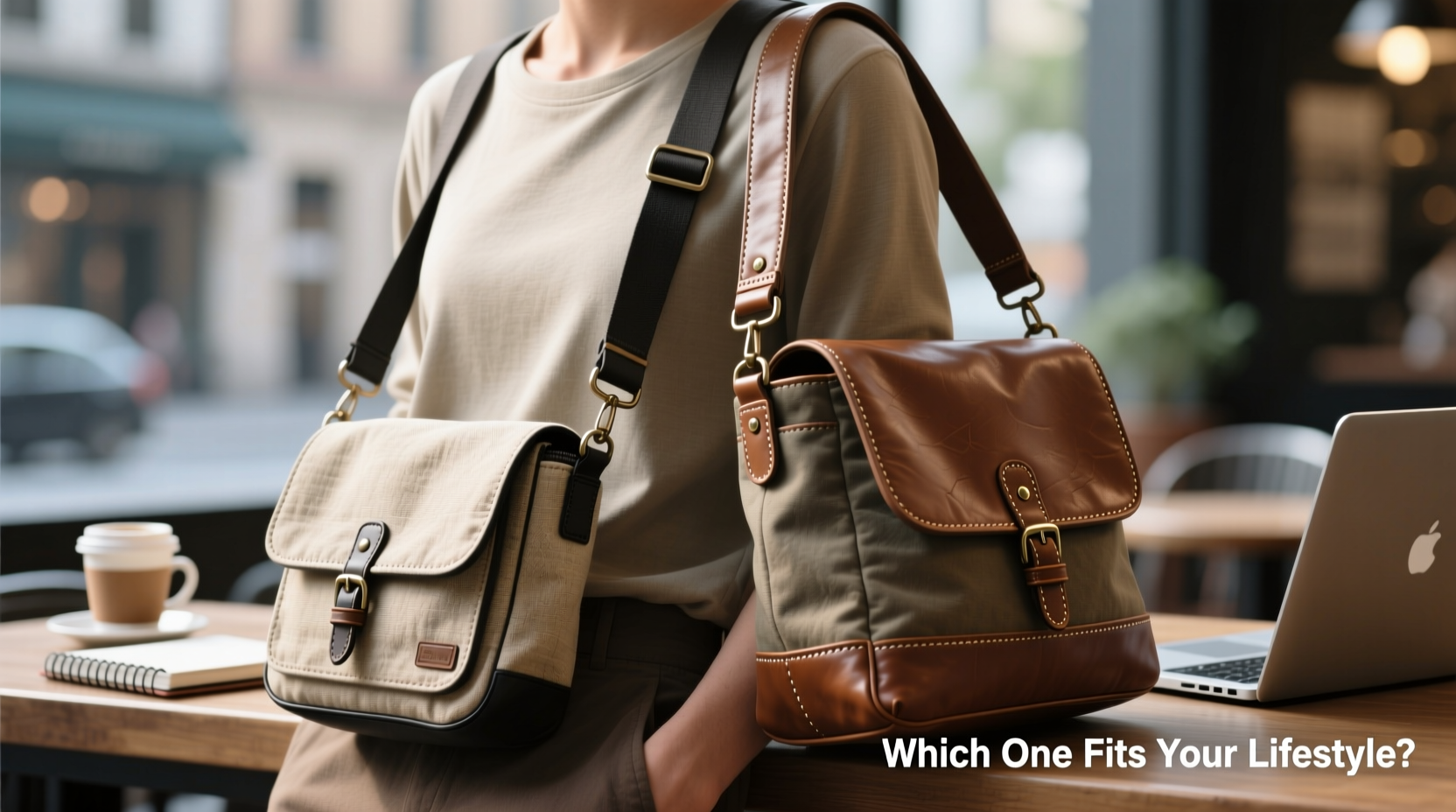
Comfort begins with weight distribution. A poorly balanced bag can lead to neck strain, shoulder pain, or back fatigue over time. Shoulder bags typically rest on one shoulder, concentrating the load on a single point. This can cause uneven posture, especially if worn for extended periods or when carrying heavy items like laptops or tablets.
Crossbody bags, by contrast, shift weight diagonally across the torso, from one shoulder to the opposite hip. This cross-body tension helps stabilize the bag and spreads the load more evenly. For people who walk frequently or stand for long durations, this balance often translates to greater comfort.
However, not all crossbody designs are created equal. Narrow straps or poorly padded slings can dig into the shoulder, especially with heavier loads. Similarly, oversized shoulder bags with thin straps can dig into the shoulder joint, leading to discomfort within minutes.
Lifestyle Fit: Matching Your Bag to Your Day
Your daily routine plays a major role in determining which bag suits you best. Consider these common scenarios:
- Commuting via public transit: Crossbody bags offer better security and hands-free mobility in crowded spaces.
- Office work with a laptop: A structured shoulder bag with a wide, padded strap may be more suitable for carrying tech gear comfortably.
- Running errands or shopping: Crossbody styles allow easy access to essentials while keeping your hands free.
- Dining out or social events: A sleek shoulder bag often looks more polished and fits better with formal attire.
A mini case study illustrates this well: Sarah, a graphic designer living in Brooklyn, used to carry a medium-sized shoulder tote to her co-working space. After months of shoulder stiffness, she switched to a lightweight crossbody with a padded strap. She reported immediate relief, especially during her 20-minute walk from the subway. “I didn’t realize how much my old bag was pulling on my shoulder until I stopped using it,” she said.
“From an ergonomic standpoint, distributing weight across the body reduces strain on individual joints. Crossbody bags naturally support better posture during movement.” — Dr. Lena Patel, Physical Therapist & Posture Specialist
Design Comparison: Strengths and Trade-offs
To clarify the differences, here’s a detailed comparison of key features between crossbody and shoulder bags:
| Feature | Crossbody Bag | Shoulder Bag |
|---|---|---|
| Weight Distribution | Evenly distributed across torso | Concentrated on one shoulder |
| Security | High (front-facing, harder to snatch) | Moderate (can slip off or be accessed easily) |
| Hands-Free Use | Excellent | Good (but may require adjusting) |
| Capacity | Limited (typically under 15L) | Higher (can accommodate laptops, files) |
| Style Flexibility | Casual, urban, travel-friendly | Versatile (casual to professional) |
| Postural Impact | Generally supportive | Risk of asymmetry with prolonged use |
The data shows that crossbody bags excel in mobility and safety, while shoulder bags win in capacity and formality. If your day involves minimal gear—phone, wallet, keys, maybe a small notebook—a crossbody is likely the more comfortable choice. But if you need to carry a tablet, charger, or documents regularly, a well-designed shoulder bag with a wide, adjustable strap might be worth the trade-off.
How to Choose Based on Body Type and Height
Not all bodies respond the same way to different bag styles. Taller individuals often find crossbody bags easier to balance, as the diagonal strap aligns naturally with their frame. Shorter users may struggle with strap length, leading to awkward positioning or constant readjustment.
For petite frames (under 5'4\"), look for crossbody bags with adjustable straps that can be shortened effectively. Avoid oversized styles that hang too low or swing excessively while walking. Shoulder bags with shorter drop lengths (the distance from shoulder to bag base) are often more proportionate and less likely to pull awkwardly.
People with broader shoulders or muscular builds may find shoulder bags more comfortable due to natural load-bearing capacity. However, those prone to neck or upper back tension should lean toward crossbody designs to avoid aggravating existing imbalances.
Step-by-Step Guide to Finding Your Ideal Everyday Bag
- Assess your daily essentials: List everything you carry regularly. If it exceeds 3–4 items plus a phone, consider capacity needs.
- Measure your usual walking distance: Long commutes favor crossbody stability.
- Evaluate your posture: If you already experience shoulder or back discomfort, prioritize even weight distribution.
- Test strap comfort: Look for padding, width (minimum 1 inch), and adjustability.
- Try before you buy: Wear each style for at least 10 minutes with your typical load.
- Consider closure type: Zippered or flap closures affect accessibility and security—especially important for crossbody users in crowds.
Frequently Asked Questions
Can a shoulder bag cause long-term shoulder pain?
Yes, especially if carried heavily or asymmetrically over time. Chronic use of a single-shoulder bag can contribute to muscle imbalances, postural deviations, and even nerve compression in extreme cases. Alternating shoulders or switching to a crossbody or backpack-style design can help mitigate risks.
Are crossbody bags safe in crowded areas?
Generally, yes. Because they sit in front of the body, they’re more visible and harder for pickpockets to access unnoticed. Opt for styles with RFID-blocking pockets and secure zippers for added protection.
What’s the ideal weight limit for an everyday bag?
Experts recommend keeping total bag weight under 10% of your body weight. For a 150-pound person, that means no more than 15 pounds. Most everyday bags should ideally weigh 5–7 pounds when fully loaded to prevent strain.
Final Recommendation: It Depends—But Here’s the Rule of Thumb
If your priority is comfort during movement, security, and minimal physical strain, a crossbody bag is usually the superior choice for everyday use. Its balanced weight distribution, hands-free convenience, and resistance to theft make it ideal for active lifestyles.
However, if you need more space, carry professional gear, or prefer a polished aesthetic, a well-constructed shoulder bag with a wide, padded strap can be just as comfortable—provided you don’t overload it and take breaks when needed.
The key isn’t choosing one style over the other permanently, but understanding when each works best. Many people benefit from owning both and rotating based on the day’s demands.




 浙公网安备
33010002000092号
浙公网安备
33010002000092号 浙B2-20120091-4
Comments
No comments yet. Why don't you start the discussion?