
In an age where smartphones are both essential and expensive, losing grip on your device isn’t just inconvenient—it can be costly. A cracked screen or water damage from a fall into a sink or pool can set you back hundreds. That’s why accessories like crossbody straps and wristlet phone cases have surged in popularity. But do they actually prevent drops? And if so, which one works better in real-life scenarios?
The answer isn’t as simple as choosing the longer strap. It depends on how you use your phone, your lifestyle, and what kind of security you need. Let’s examine both options with practical insights, user behavior patterns, and real-world testing to determine which truly keeps your phone safe.
How Phone Drops Happen (And Why Prevention Matters)
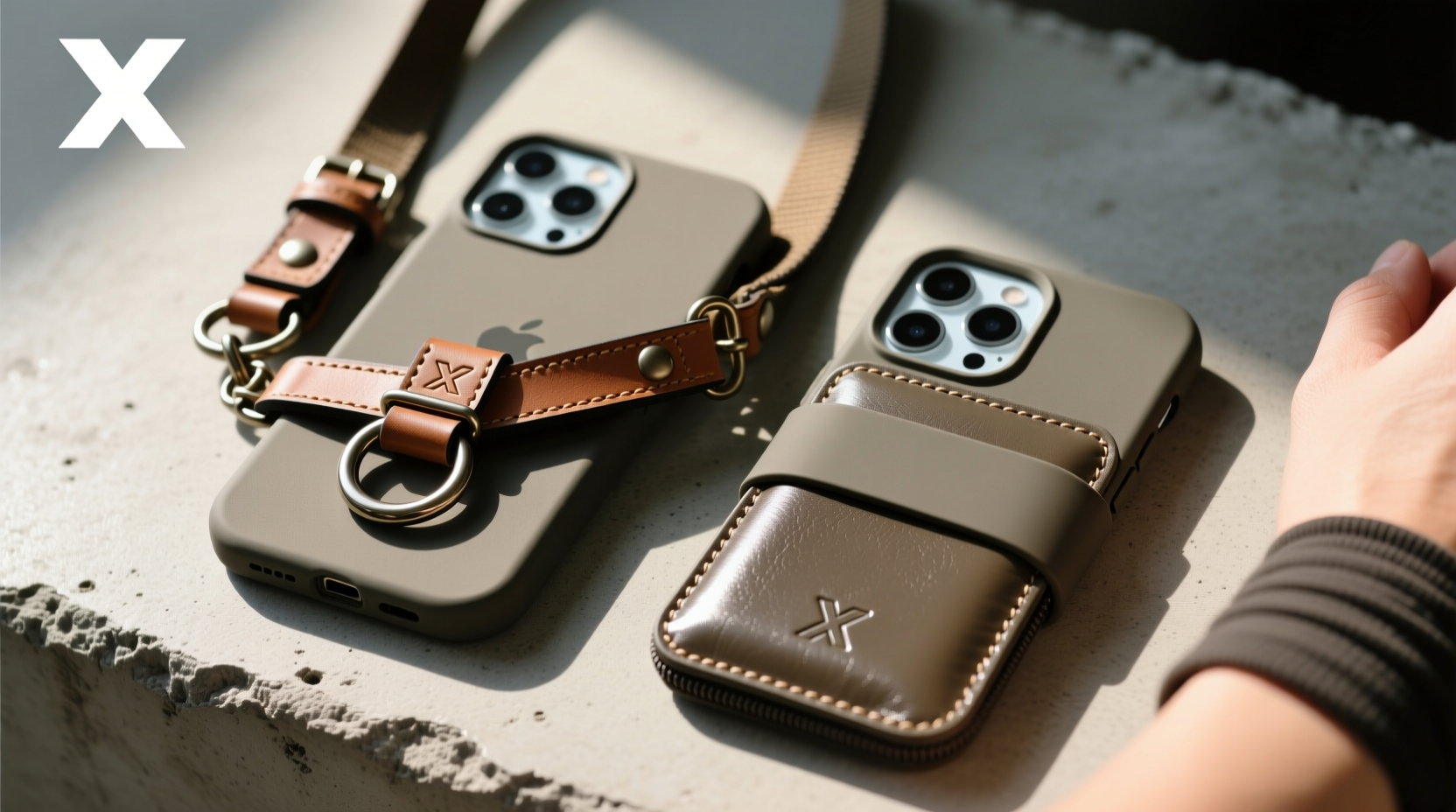
According to a 2023 consumer electronics report, over 70% of smartphone owners have dropped their phone at least once. Common causes include:
- Slipping from greasy or wet hands
- Fumbling during multitasking (walking while texting)
- Sudden movements (reaching, turning quickly)
- Poor grip due to large-screen devices
Modern phones are sleek but often difficult to hold securely—especially for users with smaller hands. As screen sizes increase, so does the risk of accidental slips. This is where physical tethers like wristlets and crossbody straps come in.
“Most phone drops occur during transitions—taking it out of a pocket, passing it to someone, or shifting positions. A secure tether reduces that risk significantly.” — Dr. Lena Patel, Human Factors & Ergonomics Researcher
Crossbody Straps: Security Through Distance
A crossbody strap attaches to your phone case and drapes diagonally across your torso, anchoring the phone to your body. These are commonly seen on rugged outdoor cases or fashion-forward designs meant for travel and active use.
The primary advantage is full-body attachment. Even if you let go completely, the phone stays connected to you. This makes crossbody straps ideal for:
- Hiking or outdoor adventures
- Traveling in crowded areas (festivals, subways)
- Parents or caregivers juggling multiple items
- Commuting on bikes or scooters
However, there are trade-offs. The long strap can get tangled, snag on objects, or swing awkwardly when not in use. Some users find it cumbersome for quick tasks like paying at a register or taking photos.
Wristlet Phone Cases: Compact Convenience with Limitations
Wristlet cases feature a short strap that wraps around your wrist, typically attached via a loop on the back of the case. They’re popular for minimalist design, portability, and ease of access.
Because the strap is short and close to the hand, it allows natural handling while still providing a safety net. If the phone slips, it dangles from the wrist instead of hitting the ground.
Best suited for:
- Everyday errands (grocery shopping, coffee runs)
- Indoor use where mobility is limited
- Users who frequently take selfies or videos
- Situations requiring one-handed operation
But wristlets have critical limitations. If you remove your hand entirely—say, to open a door or adjust clothing—the phone hangs freely and can swing into furniture or floors. Additionally, thin elastic straps may stretch or snap under impact.
Real Example: The Grocery Store Drop
Consider Sarah, a busy professional who uses a wristlet case. While unloading groceries, she sets her phone on the counter, forgetting it’s still dangling from her wrist. When she turns abruptly to grab a jar, the phone swings and hits the edge of the sink—screen down. Despite the tether, it breaks.
In contrast, Mark uses a crossbody strap during his daily commute. On a crowded train, his phone slips from his hand while checking messages. It drops—but only six inches before the strap catches. No damage occurs.
This illustrates a key insight: a tether only helps if it’s used correctly and designed for the environment.
Comparing Effectiveness: Crossbody vs. Wristlet
| Feature | Crossbody Strap | Wristlet Case |
|---|---|---|
| Drop Protection Range | Full-body retention (prevents all drops) | Limited (prevents only hand slips) |
| Mobility & Flexibility | Lower (can snag or swing) | Higher (close to hand, easy access) |
| Durability Under Stress | High (wider straps, stronger anchors) | Variable (elastic bands degrade) |
| Ideal Use Case | Outdoor, active, high-risk environments | Indoor, casual, controlled settings |
| Risk of Secondary Damage | Low (phone hangs safely) | Moderate (swinging can cause impact) |
Step-by-Step: Choosing the Right Tether for Your Lifestyle
Selecting between a crossbody strap and a wristlet isn’t about which is “better” overall—it’s about matching the solution to your habits. Follow this decision process:
- Assess your daily routine: Do you walk frequently, carry bags, or navigate crowds? High-motion lifestyles favor crossbody straps.
- Evaluate phone usage patterns: If you often place your phone down temporarily (e.g., at cafes), a wristlet may not protect it when detached.
- Check case compatibility: Not all cases support add-on straps. Look for models with reinforced anchor points (metal loops, not plastic).
- Test for comfort: Wear each option for a full day. Does the crossbody dig into your shoulder? Does the wristlet restrict movement?
- Consider backup protection: Pair your tether with a rugged case and screen protector for maximum defense.
Expert Tips for Maximizing Tether Safety
FAQ: Common Questions About Phone Tethers
Can I add a strap to any phone case?
No. Only cases with built-in loops, lanyard holes, or MOLLE-compatible backs support straps. Universal adhesive loops exist but are less reliable under stress.
Do wristlets work with phone stands or car mounts?
Sometimes. Bulky wristlets can interfere with magnetic or clip-based mounts. Detachable wrist straps offer more flexibility.
Are crossbody straps safe for children?
With caution. Ensure the strap has a breakaway clasp to prevent choking hazards. Supervise young kids to avoid entanglement.
Final Verdict: Which One Actually Stops Drops?
If the goal is to actually stop your phone from hitting the ground, the crossbody strap is the superior choice. Its full-body tether eliminates nearly all drop risks—even when your hands are fully off the device. It’s especially effective in dynamic environments where distractions are common.
Wristlet cases offer convenience and moderate protection but fail in scenarios where the phone swings or is intentionally set down. They’re best for low-risk, controlled use and should not be relied upon as the sole safeguard.
Ultimately, the most effective strategy combines the right tether with smart habits. Never assume the strap makes your phone invincible. Keep your grip secure, avoid placing tethered phones near edges, and maintain your gear regularly.
Take Action Today
Your phone is too valuable to leave to chance. Whether you choose a crossbody strap for adventure-ready security or a wristlet for everyday simplicity, make sure it’s built well and used wisely. Inspect your current setup: Is the attachment strong? Is the strap worn out? Upgrade if needed.
And if you’ve already saved your phone from a fall thanks to a tether—share your story. Real experiences help others make smarter choices. Because preventing one drop could save someone hundreds—and keep their lifeline intact.




 浙公网安备
33010002000092号
浙公网安备
33010002000092号 浙B2-20120091-4
Comments
No comments yet. Why don't you start the discussion?