
In today’s fast-moving urban environments, personal belongings are more vulnerable than ever. Pickpocketing, bag snatching, and simple forgetfulness contribute to daily losses—many of which could be avoided with smarter carry solutions. One growing trend is the shift from traditional handbags to compact crossbody wallet cases. But is this switch genuinely beneficial in terms of security and convenience? For many, the answer isn’t just yes—it’s transformative.
The modern consumer values efficiency, safety, and minimalism. While handbags have long been a staple for carrying essentials, they come with inherent risks: open flaps, heavy weight distribution, and frequent placement on public surfaces. Crossbody wallet cases, by contrast, are designed with proximity, accessibility, and theft deterrence in mind. This article breaks down the practical differences, evaluates real-world performance, and helps you decide whether making the switch aligns with your lifestyle.
Security: Design That Discourages Theft
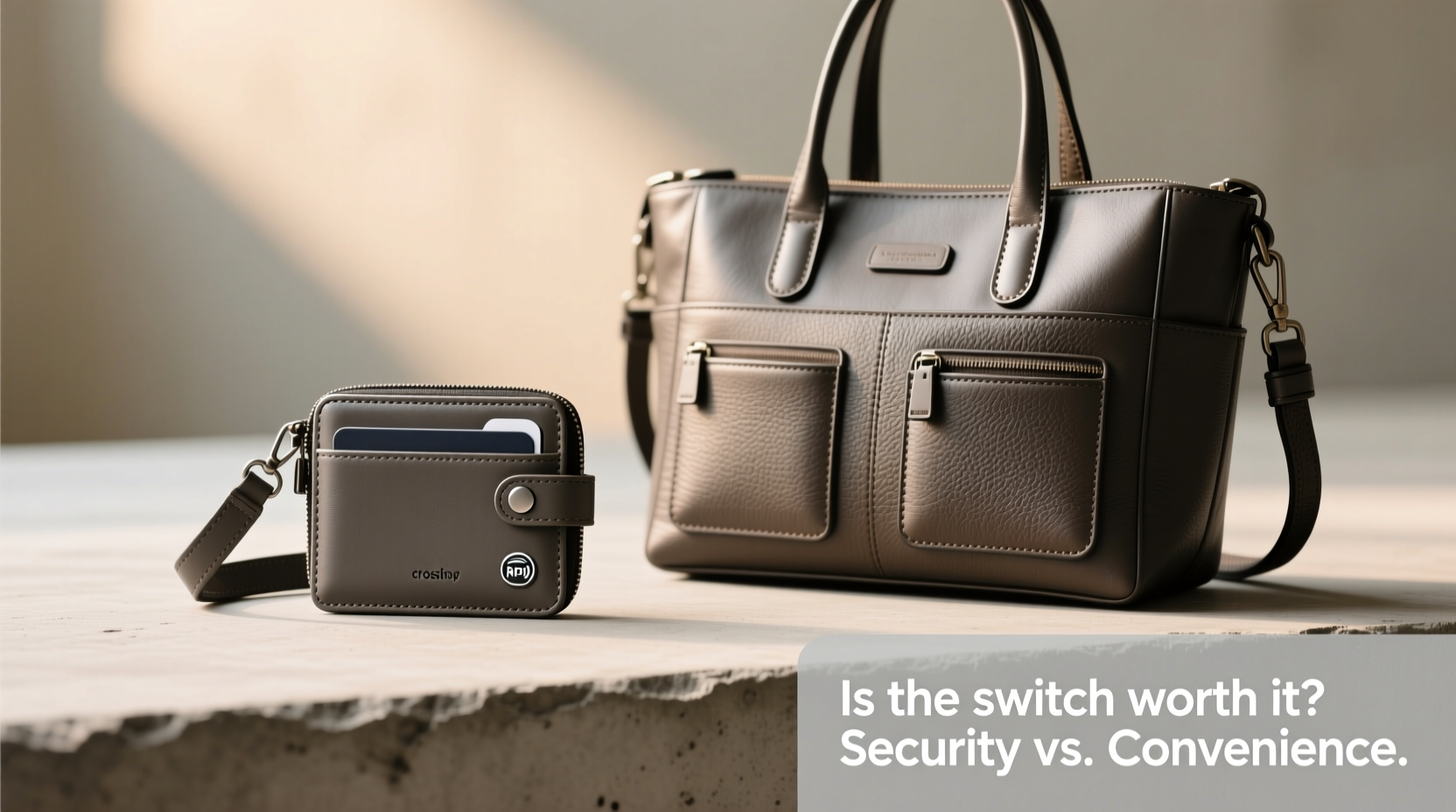
One of the most compelling reasons to consider a crossbody wallet case is enhanced security. Traditional handbags are often carried over one shoulder or held loosely in the hand, leaving them exposed. They can easily slip off chairs, get left behind on transit seats, or become targets in crowded areas. In contrast, crossbody wallet cases are worn across the torso, with straps adjusted tightly so the case rests snugly against the front or side of the body.
This positioning makes casual theft significantly harder. A would-be thief must navigate through clothing or crowd density to access the bag, increasing their risk of detection. Additionally, most crossbody wallet cases feature RFID-blocking materials, zipper closures facing inward (toward the body), and slim profiles that resist tampering.
“Wearing your wallet across your chest reduces opportunity-based theft by over 70% in high-density areas,” says Detective Mark Tolbert, a veteran of urban crime prevention units. “It’s not just about what you carry—it’s how you carry it.”
Handbags, especially larger tote-style models, often remain unzipped during use. This invites opportunistic grabs. Even when zipped, their size means contents are buried deep, encouraging users to set them down while searching—another vulnerability.
Convenience and Daily Usability
Convenience isn’t just about ease of access—it’s about reducing friction throughout the day. Crossbody wallet cases streamline what you carry. Most are designed to hold only essentials: phone, ID, cards, cash, and maybe keys. This enforced minimalism eliminates the habit of overpacking common with handbags.
Imagine moving through an airport, a concert, or a busy market. With a handbag, you’re constantly adjusting straps, checking if it’s secure, or pulling it up from your shoulder. A crossbody wallet case stays balanced, hands-free, and accessible. Need your boarding pass? It’s visible behind a clear window. Transit card? Slotted within reach. Phone? Right where you left it—no digging required.
Moreover, because these cases are typically made from durable synthetics or weather-resistant leather, they withstand daily abrasion better than fabric-lined handbags. Many include magnetic closures or quick-access card slots, allowing for one-handed operation—ideal when juggling coffee, groceries, or a child’s hand.
Real-Life Example: Commuting in New York City
Sophia, a marketing executive in Manhattan, used to carry a medium-sized leather tote every day. She regularly commuted via subway and walked 20 blocks between meetings. After her phone was stolen from her open bag during rush hour, she switched to a minimalist crossbody wallet case. Within weeks, she noticed changes beyond just security. “I walk faster now,” she said. “I don’t worry about my bag slipping off. I’m not constantly patting it to check if my wallet’s still there. And honestly, I feel lighter—physically and mentally.”
Comparison: Key Features at a Glance
| Feature | Crossbody Wallet Case | Traditional Handbag |
|---|---|---|
| Security Level | High (worn close, theft-resistant design) | Low to Moderate (often placed down, easy access) |
| Hands-Free Use | Yes (strap across body) | Limited (single strap, often requires holding) |
| Weight Distribution | Balanced across torso | Uneven, shoulder strain common |
| Access Speed | Fast (front-facing pockets, minimal layers) | Slower (digging through interior) |
| Capacity | Low (essentials only) | High (laptop, makeup, lunch, etc.) |
| Theft Resistance | RFID blocking, inward zippers, anti-slash straps | Rarely includes built-in anti-theft features |
| Daily Comfort | Lightweight, ergonomic | Can cause back/shoulder pain over time |
When a Handbag Still Makes Sense
The crossbody wallet case isn’t a one-size-fits-all solution. There are scenarios where a traditional handbag remains the better choice. If you're carrying a laptop, multiple outfit changes, cosmetics, water bottles, or children’s items, a larger bag is simply necessary. Professionals attending full-day conferences, parents managing toddler essentials, or travelers navigating multi-stop journeys may find the limited capacity of a wallet case restrictive.
However, even in these cases, a hybrid approach works well. Use a secure handbag with lockable zippers and internal compartments, but pair it with a small crossbody case inside for high-risk items: wallet, passport, phone. This way, when stepping out briefly for coffee or transit, you can leave the bulk behind and take only what’s essential—securely.
Step-by-Step: Transitioning from Handbag to Crossbody Wallet Case
- Assess your daily essentials: List everything you actually use in a typical day. You’ll likely find redundancy.
- Choose the right case: Look for RFID protection, adjustable straps, phone compartment, and at least two card slots.
- Transfer key items: Move ID, primary cards, small bills, and phone. Leave backups at home or in a secure bag.
- Test during low-stakes outings: Try grocery runs or short commutes before relying on it full-time.
- Adjust strap length: Ensure the case sits snugly against your torso, ideally between chest and hip level.
- Practice access speed: Open zippers, retrieve cards, and stow your phone until movements become automatic.
Common Misconceptions Debunked
Some believe crossbody wallet cases are only for tourists or fashion statements. In reality, they’re increasingly adopted by professionals, cyclists, and city dwellers who prioritize function. Others assume they’re less stylish—but modern designs blend sleek minimalism with premium materials, offering colors and textures suitable for business casual or evening wear.
Another myth is discomfort. While poorly fitted models can dig into the shoulder, properly adjusted crossbody cases distribute weight evenly and reduce neck strain compared to single-strap bags.
Frequently Asked Questions
Can a crossbody wallet case hold my phone and wallet together safely?
Yes—most are designed specifically for this combination. Look for padded phone sleeves and secure card slots. Ensure the case fits your phone model snugly to prevent slippage.
Are crossbody wallet cases suitable for air travel?
Absolutely. They allow quick access to boarding passes and IDs without removing outerwear. Keep your passport, credit card, and phone in the case, and store larger luggage separately.
Won’t a front-worn case attract attention?
On the contrary—because it’s visibly secured, it signals awareness to potential thieves. Opportunistic pickpockets target distracted carriers with loose bags, not those with items strapped close to their bodies.
Making the Switch: A Practical Checklist
- ✅ Audit your current carry items—eliminate non-essentials
- ✅ Research models with positive security reviews
- ✅ Verify compatibility with your phone size and card count
- ✅ Opt for water-resistant or scratch-proof materials
- ✅ Test wearability before committing to daily use
- ✅ Keep a backup plan (e.g., folded pouch in jacket) for emergencies
Final Thoughts: Is the Switch Worth It?
For most urban dwellers, frequent travelers, and anyone prioritizing personal security and streamlined living, switching from a handbag to a crossbody wallet case is not just worth it—it’s a logical evolution. The benefits extend beyond theft prevention to improved posture, reduced stress, and greater confidence in dynamic environments.
The shift requires a mindset change: embracing minimalism, redefining “necessity,” and trusting that less can indeed be more. Once adapted, few return to the burden of oversized bags and constant vigilance. Security and convenience aren’t mutually exclusive—they’re best achieved together.




 浙公网安备
33010002000092号
浙公网安备
33010002000092号 浙B2-20120091-4
Comments
No comments yet. Why don't you start the discussion?