
In recent years, crystal keychains have surged in popularity—adorned by influencers, celebrities, and fashion-forward consumers alike. From shimmering Swarovski pendants to delicate gemstone accents, these accessories promise elegance and individuality. But how do they truly stack up against the timeless durability of metal keychains? Are crystal keychains a worthwhile investment, or are they simply riding the wave of social media hype? This article dives deep into the practical, aesthetic, and economic realities of both options to help you make an informed decision.
Durability: The Long-Term Test
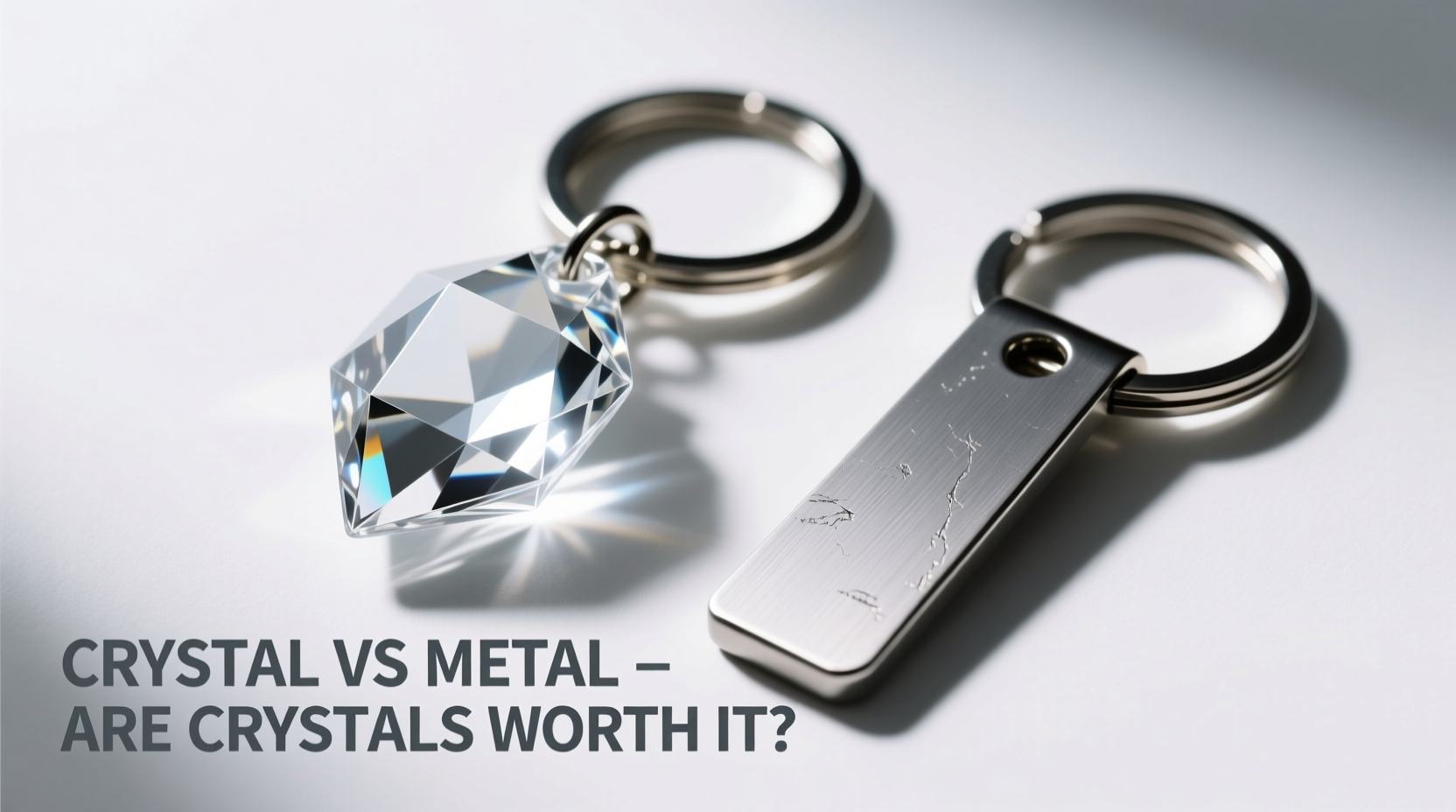
When evaluating any accessory meant for daily use, durability is non-negotiable. Metal keychains—typically made from stainless steel, brass, or aluminum—are built to withstand drops, friction, and exposure to the elements. They resist corrosion, maintain structural integrity over time, and rarely show wear unless subjected to extreme conditions.
Crystal keychains, on the other hand, introduce fragility into the equation. Most are composed of glass-based materials like lead crystal or synthetic stones such as cubic zirconia. While visually striking, these components are prone to chipping, cracking, or detaching when dropped or jostled in a pocket or bag. The metal settings that hold the crystals can also loosen over time, especially if made from lower-grade alloys.
Style and Aesthetic Appeal
There’s no denying the visual allure of crystal keychains. Their reflective surfaces catch light beautifully, adding a touch of luxury to an otherwise utilitarian object. Many people choose them as personal expressions—selecting colors based on mood, fashion coordination, or even metaphysical beliefs (e.g., rose quartz for love, amethyst for calm).
Metal keychains, while less flashy, offer a different kind of sophistication. Polished chrome, brushed titanium, or engraved brass convey minimalism, strength, and understated elegance. They’re often favored in professional or rugged environments where subtlety and function matter more than sparkle.
The choice here ultimately hinges on lifestyle. For someone who values subtle refinement, metal wins. For those who enjoy accessorizing with intention and flair, crystal may be worth the trade-offs.
“Accessories aren’t just functional—they’re extensions of identity. A well-chosen keychain should reflect who you are, not just what you carry.” — Lena Torres, Lifestyle & Personal Branding Consultant
Value Comparison: Cost vs. Longevity
Pricing varies widely across both categories. Basic metal keychains range from $5–$25, with premium engraved or custom versions reaching $50–$100. Crystal models start around $20 but can exceed $150 for branded pieces (e.g., Swarovski) or artisan-crafted designs featuring semi-precious stones.
However, cost must be weighed against longevity. A $30 crystal keychain might lose its luster or break within six months of regular use, whereas a $20 stainless steel version could last decades. This doesn’t mean crystal lacks value—it simply shifts the metric from utility to emotional or symbolic worth.
| Feature | Metal Keychains | Crystal Keychains |
|---|---|---|
| Average Price | $5–$100 | $20–$200+ |
| Lifespan (Daily Use) | 5+ years | 6 months – 2 years |
| Scratch Resistance | High | Low to Moderate |
| Water Resistance | Excellent | Fair (settings may corrode) |
| Style Flexibility | Moderate | High |
Real-World Example: Two Years of Daily Use
Consider Sarah, a marketing executive who purchased a $120 Swarovski crystal keychain during a holiday sale. She loved its iridescent blue hue and attached it to her everyday keyring. Within four months, the prongs holding the central stone began to bend from repeated contact with her desk drawer and car door. By month ten, the stone fell out during transit and was lost. Despite careful handling, micro-scratches clouded the remaining frame.
In contrast, her colleague Mark uses a simple $18 titanium keychain engraved with his initials. After three years of being carried in jeans pockets, gym bags, and travel luggage, it remains intact—only slightly dulled, which he prefers for its “lived-in” look.
This isn’t to say Sarah regretted her purchase. She described the keychain as “a joyful indulgence,” something that brightened her mornings. But objectively, it failed as a long-term tool.
When Crystal Makes Sense—And When It Doesn’t
Crystal keychains shine best in specific contexts. They work well as gifts, limited-edition collectibles, or seasonal accessories. Someone might rotate them monthly like jewelry, reserving fragile pieces for special occasions or clutch bags rather than daily drivers.
They also appeal to those interested in crystal healing traditions. Though scientific evidence is lacking, many users report psychological benefits from carrying stones associated with clarity, protection, or confidence. In this context, the keychain becomes a mindful reminder, not merely a functional item.
Conversely, crystal keychains fall short for travelers, outdoor workers, parents with active kids, or anyone whose keys endure rough treatment. The risk of loss, damage, or injury (from sharp broken edges) outweighs the aesthetic payoff.
How to Choose What’s Right for You: A Practical Checklist
- Evaluate your daily routine: Do your keys get tossed around or handled gently?
- Define your priority: Is it durability, symbolism, fashion, or all three?
- Set a budget: Are you willing to replace a crystal piece annually, or do you want one-and-done quality?
- Check craftsmanship: Look for secure bezel settings, high-quality plating, and reputable brands.
- Test compatibility: Ensure the keychain doesn’t interfere with smart keys or fobs.
FAQ
Can I repair a damaged crystal keychain?
Yes, in many cases. Jewelers can often reset loose stones or polish minor scratches. However, repairs may cost nearly as much as a new piece, so consider sentimental value before proceeding.
Do crystal keychains affect phone signals or car remotes?
No. Unlike large metal masses, small crystals and their settings don’t interfere with electronic signals. However, bulky metal keychains can sometimes block RFID or keyless entry systems.
Are there eco-friendly crystal keychain options?
Some brands now use recycled glass crystals and sustainable plating methods. Look for certifications like Cradle to Cradle or membership in ethical sourcing programs.
Final Verdict: Worth It or Just Hype?
Certainty depends on perspective. As purely functional tools, crystal keychains are overpriced and under-durable compared to metal alternatives. From that lens, the trend is largely hype-driven—amplified by Instagram aesthetics and influencer culture.
But humans don’t make decisions based on utility alone. We attach meaning to objects. A crystal keychain might symbolize a milestone, represent a personal belief, or serve as a tiny daily affirmation. In those roles, its value transcends material performance.
Metal keychains win on logic. Crystal keychains win on emotion. The wisest approach? Own both. Keep a rugged metal chain for daily reliability, and rotate in a crystal piece when you need a boost of joy or want to express yourself.




 浙公网安备
33010002000092号
浙公网安备
33010002000092号 浙B2-20120091-4
Comments
No comments yet. Why don't you start the discussion?