
For decades, engagement and fashion rings have been defined by natural gemstones—diamonds above all. But today’s jewelry landscape is shifting. Cubic zirconia (CZ) rings are surging in popularity, fueled by social media trends, affordability, and ethical concerns around mined gems. While CZ offers undeniable advantages, many wonder: does this mean natural stones are now outdated? The answer isn’t so simple. It depends on values, lifestyle, budget, and long-term expectations.
This article explores the rise of cubic zirconia, examines how it compares to natural stones, and evaluates whether traditional gems still matter in a modern context.
The Rise of Cubic Zirconia: Why It’s Trending Now
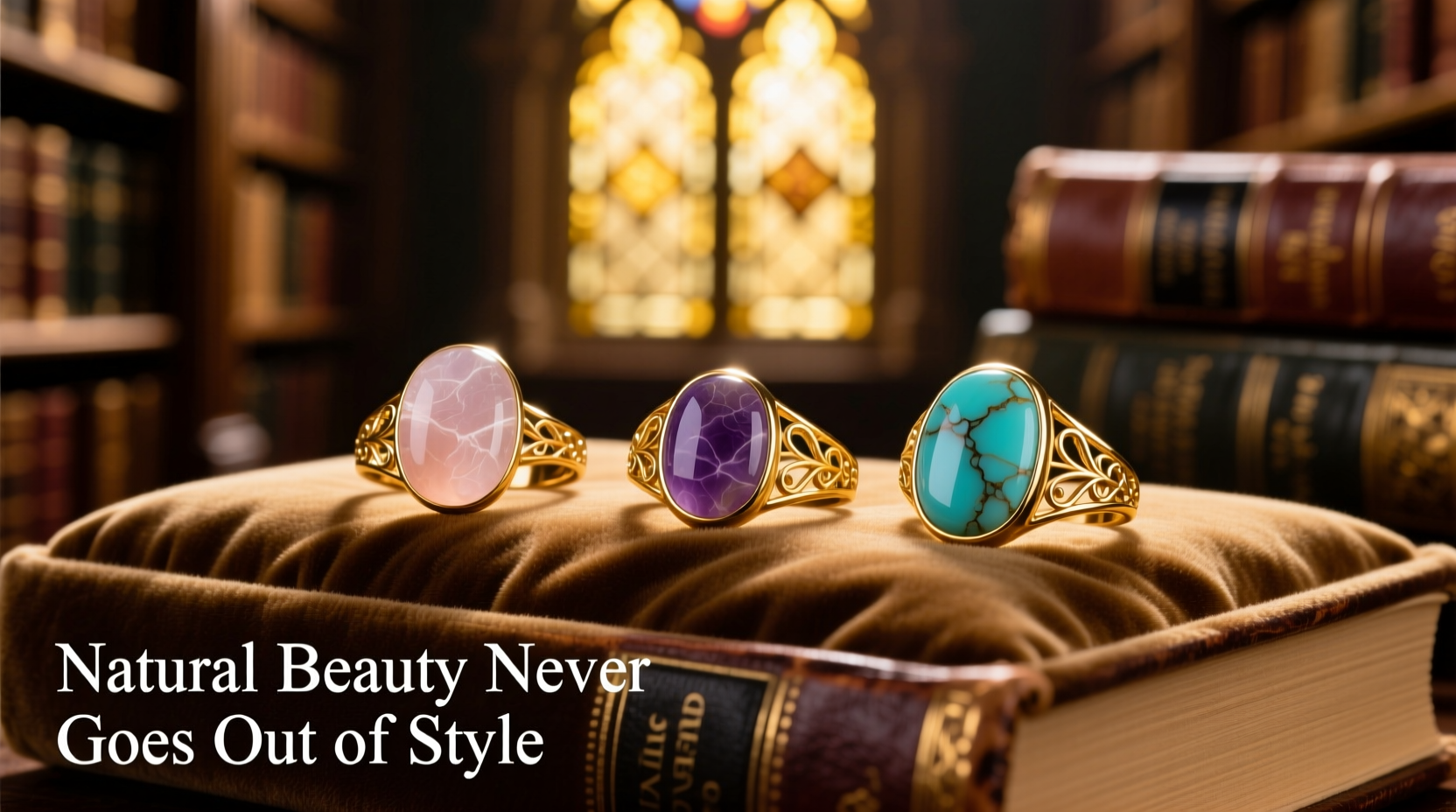
Cubic zirconia has been around since the 1970s, but recent advancements in cutting, clarity, and durability have elevated its status from “cheap imitation” to a respected alternative in fine jewelry. Several factors are driving its current popularity:
- Affordability: A high-quality CZ ring can cost under $100, while even modest natural diamond rings start at $1,000+.
- Sustainability: Lab-created stones like CZ require no mining, reducing environmental impact and eliminating concerns about conflict minerals.
- Accessibility: CZ allows people to wear bold, statement pieces without financial strain—ideal for fast-fashion jewelry lovers and trend-driven consumers.
- Social Media Influence: Platforms like TikTok and Instagram showcase CZ rings as stylish, photogenic, and “ethical” alternatives, especially among Gen Z buyers.
Brands like Pandora, Aurate, and Mejuri now offer collections featuring CZ prominently, signaling a shift in mainstream acceptance.
Natural Stones: Are They Still Relevant?
Despite the buzz around CZ, natural gemstones—including diamonds, sapphires, emeralds, and rubies—retain enduring appeal. Their relevance stems from more than tradition; they carry intrinsic qualities that synthetic stones struggle to replicate.
Geological rarity, historical significance, and emotional symbolism continue to elevate natural stones in meaningful jewelry. A diamond formed over billions of years carries a narrative far beyond sparkle—it’s a piece of Earth’s history. For many, this depth adds emotional weight, especially in heirloom pieces or engagement rings meant to last generations.
“Natural gemstones have a soul. You can feel the difference in their fire and depth. They’re not just beautiful—they’re timeless.” — Lena Moreau, GIA-Certified Gemologist
Moreover, natural stones can appreciate in value. High-clarity diamonds and colored gems like Kashmir sapphires or Burmese rubies often increase in worth over time, making them both sentimental and financial investments.
Comparing Cubic Zirconia and Natural Stones: A Practical Breakdown
To understand which option suits your needs, consider these key differences:
| Feature | Cubic Zirconia | Natural Stone (e.g., Diamond) |
|---|---|---|
| Hardness (Mohs Scale) | 8–8.5 | Diamond: 10 |
| Brilliance & Fire | High dispersion (often too sparkly) | Balanced brilliance with natural scintillation |
| Cost (1-carat equivalent) | $20–$100 | $1,500–$10,000+ |
| Durability | Scratches easily over time; may cloud | Extremely durable; maintains luster |
| Eco-Impact | Low (lab-grown, minimal waste) | Varies (mining can be destructive; ethical sourcing improves this) |
| Long-Term Value | No resale value | Potential appreciation, especially for rare stones |
While CZ wins on price and ethics, natural stones outperform in longevity, prestige, and investment potential.
When Cubic Zirconia Makes Sense—and When It Doesn’t
CZ isn’t inherently better or worse—it’s situational. Understanding your priorities helps determine when it’s the right choice.
Choose CZ if:
- You want a temporary or seasonal ring for fashion purposes.
- Your budget is tight but you desire a large, eye-catching stone.
- You’re ethically opposed to mining and prefer lab-created materials.
- You frequently update your jewelry and don’t plan to pass pieces down.
Stick with Natural Stones if:
- The ring symbolizes a lifelong commitment (e.g., engagement).
- You value rarity, authenticity, and geological history.
- You intend to pass the piece down as an heirloom.
- You’re investing in jewelry as a long-term asset.
Real-Life Example: Emma’s Engagement Ring Decision
Emma, a 28-year-old graphic designer, wanted an engagement ring that reflected her values: sustainability, transparency, and beauty. She loved the look of a 2-carat diamond but couldn’t justify the $12,000 price tag—or the environmental cost of mining.
After researching, she chose a lab-grown diamond instead—a real diamond created in a controlled environment. It offered the same physical properties as a natural diamond but at half the price and with a much smaller carbon footprint. Her setting included small CZ side stones to enhance the overall sparkle.
“I didn’t want to compromise on authenticity,” she said. “But I also didn’t want to support harmful practices. This felt like the best middle ground.”
Her story highlights a growing trend: consumers aren’t simply choosing between CZ and natural stones—they’re redefining what “authentic” means in modern jewelry.
Step-by-Step Guide: Choosing the Right Ring for Your Lifestyle
Follow this decision-making process to pick a ring that aligns with your values and practical needs:
- Define the purpose: Is it for daily wear, a special occasion, or a lifelong symbol?
- Set a realistic budget: Determine how much you’re willing to spend without financial strain.
- Assess your values: Prioritize ethics, sustainability, durability, or investment potential.
- Research materials: Compare CZ, lab-grown diamonds, moissanite, and natural stones.
- Try before you buy: Visit stores or order samples to see how each stone looks in different lighting.
- Consider maintenance: Will you clean it regularly? Do you lead an active lifestyle that risks damage?
- Think long-term: Could this piece become an heirloom? Will you still love it in 10 years?
Frequently Asked Questions
Can you tell the difference between cubic zirconia and a diamond?
To the untrained eye, high-quality CZ can look nearly identical to a diamond—especially in daylight. However, experts can spot differences under magnification: CZ has higher light dispersion (more “rainbow” sparkle), lower thermal conductivity, and is more prone to scratches and surface clouding over time.
Does cubic zirconia lose its shine?
Yes. Unlike diamonds, CZ can dull and scratch with regular wear. Oils from skin, lotions, and exposure to harsh chemicals accelerate this. Regular cleaning and careful storage can prolong its appearance, but it typically shows wear within 1–3 years of daily use.
Are natural stones always more ethical than lab-created ones?
Not necessarily. While natural stones carry geological authenticity, traditional mining can involve environmental degradation and labor issues. However, certified ethical sources (like Canadian diamonds or Fair Trade gems) offer responsible options. Lab-grown stones, including CZ and lab diamonds, generally have a lower ecological footprint and transparent supply chains.
Final Thoughts: Trends Fade, But Meaning Endures
Cubic zirconia rings are undoubtedly trendy—and for good reason. They democratize luxury, support sustainable practices, and empower personal expression without financial burden. In a world that values immediacy and inclusivity, CZ has earned its place.
Yet, natural stones are far from outdated. Their rarity, resilience, and emotional resonance continue to captivate. They represent permanence in a disposable culture. Whether you choose CZ or a natural gem, the most important factor is alignment with your values and lifestyle.
Rather than viewing this as an either/or choice, consider a new paradigm: one where jewelry reflects intention. Choose CZ for fun, fashion, and flexibility. Choose natural stones for legacy, meaning, and lasting beauty. Or blend both—because true style isn’t dictated by trends, but by authenticity.




 浙公网安备
33010002000092号
浙公网安备
33010002000092号 浙B2-20120091-4
Comments
No comments yet. Why don't you start the discussion?