
Fingernails are more than just cosmetic features—they can reflect your overall health. A subtle downward curve in the nails may seem normal at first glance, but when pronounced or accompanied by other symptoms, it could signal an underlying condition. While slight curvature is natural due to the shape of the fingertip, a noticeable downward bend—especially when combined with thickening or discoloration—warrants attention. Understanding the causes, implications, and appropriate responses to curving fingernails helps you make informed decisions about nail and systemic health.
Anatomy of the Nail: What’s Normal?
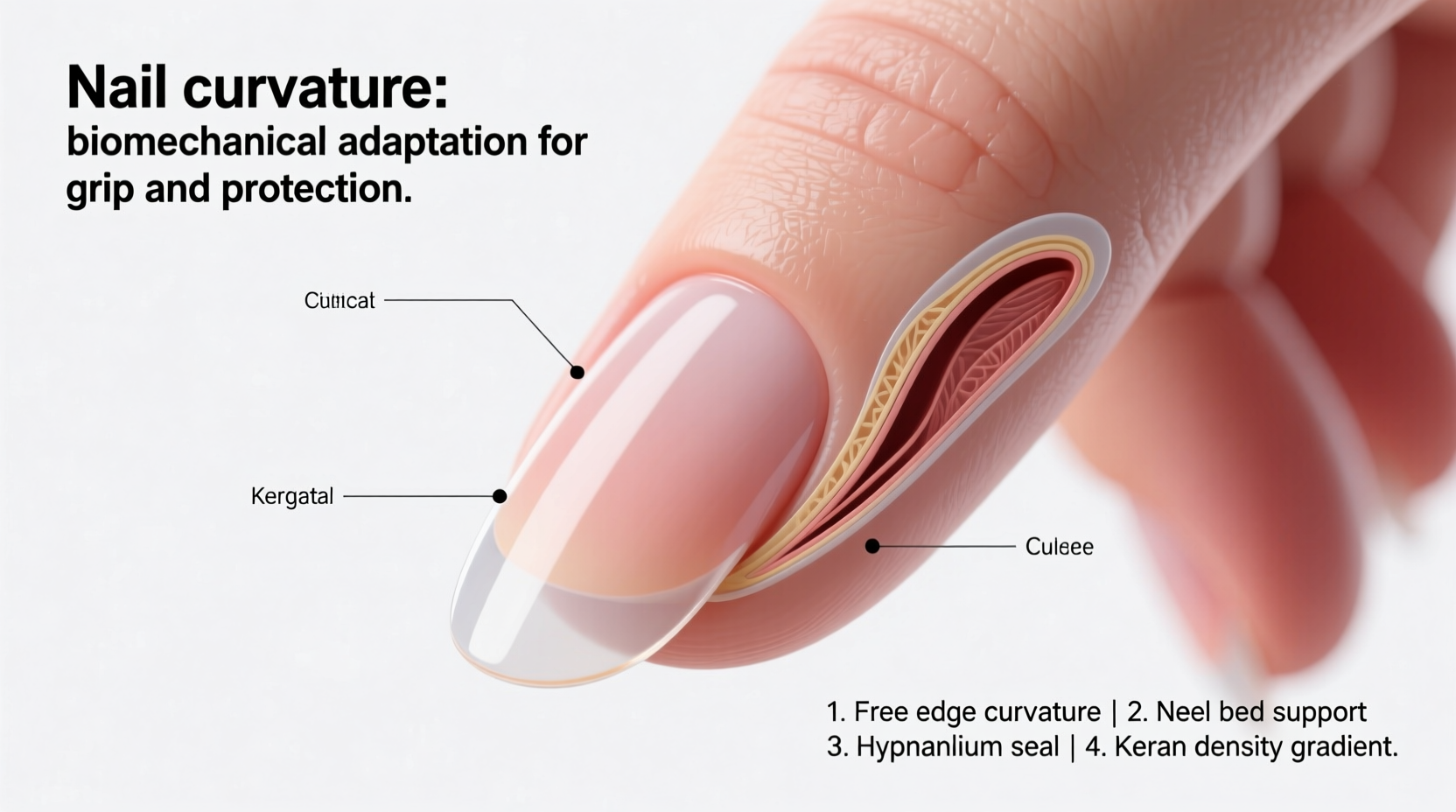
The human fingernail consists of several components: the nail plate (the hard surface), the nail bed (the skin beneath), the cuticle, and the matrix (where new nail cells form). The natural curve of a healthy nail follows the contour of the fingertip, typically curving slightly from side to side (transverse curvature) and gently over the fingertip (longitudinal curvature).
A moderate longitudinal curve is entirely normal and varies among individuals. However, when the distal end of the nail bends significantly downward—resembling a hook or claw—it may indicate a deviation from typical growth patterns. This condition is sometimes referred to as “hooked nails” or, in more clinical terms, *koilonychia* if concave, or associated with *nail clubbing* if the entire nail bed changes shape.
Common Causes of Downward-Curving Nails
Several factors contribute to increased nail curvature. Some are benign and related to aging or genetics, while others point to nutritional deficiencies or chronic illness.
- Aging: As people age, nails often thicken and grow more slowly. The balance between nail production and wear shifts, leading to increased curvature, especially in toenails but also in fingernails.
- Genetics: Nail shape and structure are hereditary. If family members have curved nails without health issues, yours may simply be a familial trait.
- Nutritional Deficiencies: Iron deficiency anemia is strongly linked to koilonychia—spoon-shaped nails that may initially appear overly curved before becoming concave. Deficiencies in protein, vitamin B12, or zinc can also affect nail integrity.
- Lung or Heart Conditions: Chronic hypoxia (low oxygen levels) from diseases like COPD or congenital heart defects can lead to clubbing—a condition where the fingertips enlarge and nails curve downward dramatically.
- Trauma or Repetitive Stress: Frequent pressure on the fingertips (e.g., from typing, playing instruments, or manual labor) may alter nail growth direction over time.
“Nail changes are often the first visible sign of systemic disease. A sudden or progressive change in nail curvature should prompt further evaluation.” — Dr. Lena Patel, Dermatologist & Nail Specialist
When Curved Nails Signal Health Concerns
Not all curved nails are problematic, but certain red flags suggest medical investigation is needed:
| Symptom | Possible Cause | Action Recommended |
|---|---|---|
| Nails curve downward with enlarged fingertips | Nail clubbing (lung/heart disease) | Consult physician; consider chest X-ray or pulse oximetry |
| Nails thin and spoon-shaped (concave) | Koilonychia (iron deficiency) | Blood test for ferritin and hemoglobin |
| Thickened, yellow-tinged curved nails | Fungal infection | See dermatologist; antifungal treatment |
| Pain or tenderness under nails | Trauma or subungual tumor | Immediate medical assessment |
Mini Case Study: Recognizing Early Clubbing
Mark, a 58-year-old former smoker, noticed his nails had gradually become more curved over two years. His fingertips appeared slightly bulbous, and he felt short of breath during mild exertion. At first, he dismissed it as aging. After a routine check-up, his doctor performed a Schamroth’s window test—placing the opposing fingers together—and observed the absence of a diamond-shaped gap, confirming clubbing. Further testing revealed early-stage lung cancer, which was treated successfully due to early detection. Mark credits the observation of his nails for prompting timely intervention.
How to Monitor and Care for Curved Nails
Whether your curved nails are harmless or indicative of deeper issues, proper care supports both appearance and function. Follow these steps to maintain nail health and detect changes early.
- Inspect Regularly: Examine nails weekly for changes in shape, color, texture, or sensation.
- Maintain Hygiene: Keep nails clean and dry to prevent fungal infections, which can worsen deformities.
- Trim Properly: Cut straight across to avoid ingrown edges, then gently file curved areas to smooth sharp ends.
- Moisturize: Apply hand cream or cuticle oil daily to prevent brittleness and cracking.
- Avoid Artificial Enhancements: Acrylics and gels can trap moisture and damage the nail bed, exacerbating structural issues.
Nutrition and Nail Strength: Key Nutrients
Diet plays a crucial role in maintaining strong, properly shaped nails. Consider incorporating these nutrients:
- Iron: Found in red meat, spinach, lentils. Prevents koilonychia.
- Biotin (B7): Eggs, nuts, sweet potatoes. Supports keratin production.
- Omega-3 Fatty Acids: Fatty fish, flaxseeds. Reduce inflammation and moisturize nail beds.
- Zinc: Shellfish, pumpkin seeds. Aids tissue repair and immune function.
- Protein: Lean meats, beans, dairy. Essential for nail matrix health.
Checklist: Assessing Your Nail Health
Use this checklist monthly to track nail condition:
- ☐ Are my nails growing evenly?
- ☐ Has the curvature increased recently?
- ☐ Do my fingertips look swollen or rounded?
- ☐ Are there changes in color (yellow, white, bluish tint)?
- ☐ Is there pain, thickening, or separation from the nail bed?
- ☐ Have I experienced fatigue or breathing difficulties?
- ☐ Am I consuming enough iron and protein?
If three or more items raise concern, schedule a consultation with a healthcare provider.
Frequently Asked Questions
Can curved fingernails be reversed?
In cases caused by trauma or minor stress, improving nail care and protecting the fingers may reduce worsening curvature. However, genetically influenced or disease-related curves cannot be fully reversed without treating the root cause. For example, correcting iron deficiency may improve koilonychia over months.
Is nail clubbing painful?
Clubbing itself is usually not painful, but the underlying conditions—such as lung or heart disease—may cause symptoms like shortness of breath, fatigue, or chest discomfort. Pain under the nail could indicate trauma or infection and should be evaluated.
Do children develop curved nails too?
While rare, nail clubbing in children may indicate congenital heart defects or cystic fibrosis. Any unusual nail development in a child warrants pediatric evaluation. Mild curvature without other signs is typically benign.
Conclusion: Listen to What Your Nails Are Telling You
Your fingernails are silent messengers of internal health. A downward curve isn’t always alarming, but understanding its origin separates normal variation from warning signs. From dietary habits to chronic disease, multiple factors influence nail structure. By staying observant, nourishing your body, and seeking professional insight when needed, you empower yourself to catch potential issues early.




 浙公网安备
33010002000092号
浙公网安备
33010002000092号 浙B2-20120091-4
Comments
No comments yet. Why don't you start the discussion?