
When it comes to choosing an engagement ring or a meaningful piece of fine jewelry, the decision often narrows down to two paths: going with a renowned designer brand or commissioning a custom-made ring. The allure of a designer name—etched into cultural consciousness through celebrity endorsements and luxury branding—is powerful. But behind that prestige lies a significant price premium. Is that extra cost justified by superior craftsmanship, materials, or lasting value? Or can a thoughtfully designed custom ring offer equal beauty, better personalization, and smarter value without the markup?
This isn’t just about saving money—it’s about understanding what you’re actually paying for and whether that aligns with your values, style, and long-term satisfaction.
The Allure of Designer Rings: Brand Power and Perception
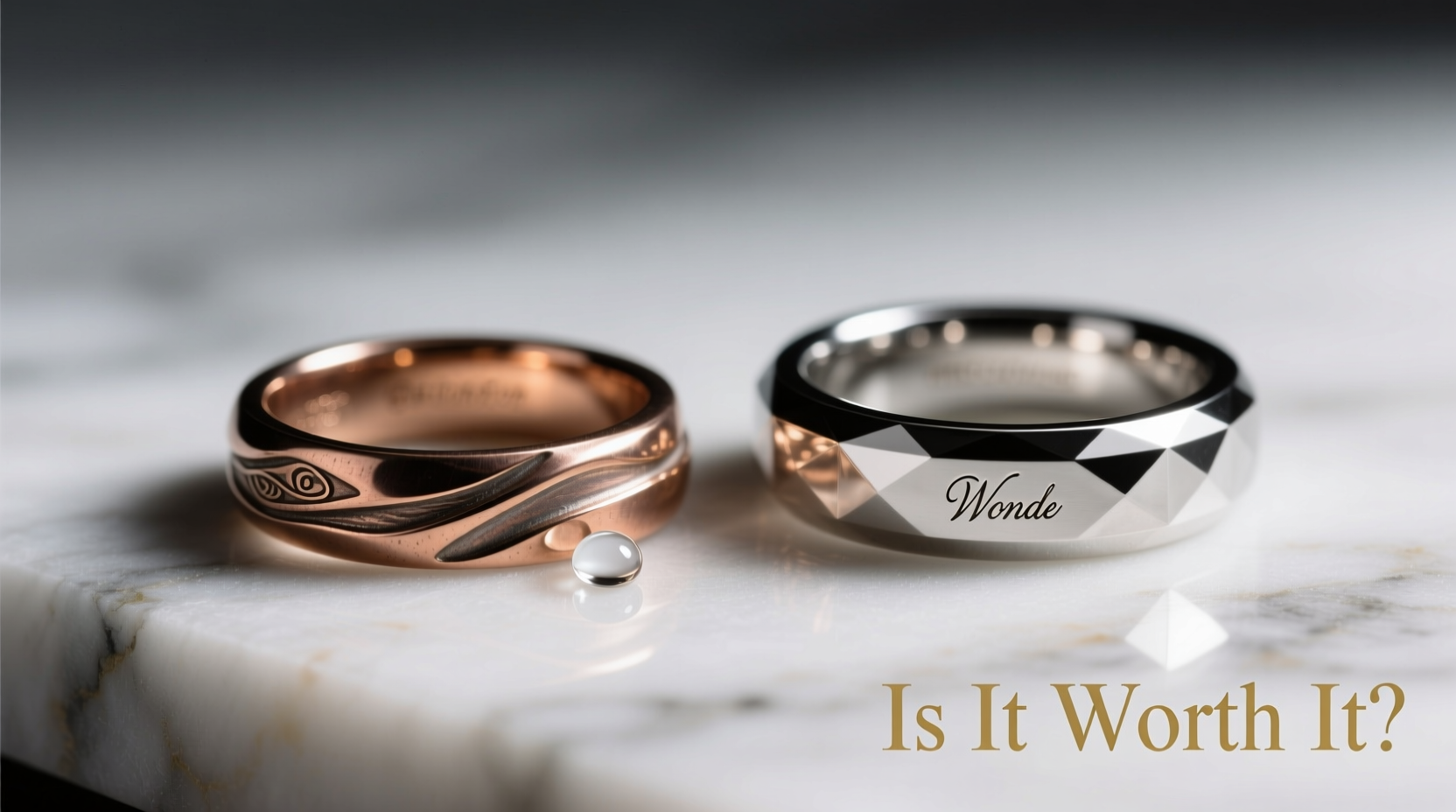
Designer rings from brands like Cartier, Tiffany & Co., or Harry Winston carry more than just aesthetic appeal—they come with legacy, marketing muscle, and social recognition. These brands have spent decades building reputations around exclusivity, timeless design, and high standards. Wearing a ring from such a house signals status and taste in a way that’s instantly recognizable.
However, much of that value is intangible. A 2023 report by the Luxury Institute revealed that up to 40% of the final retail price of designer jewelry goes toward branding, advertising, and in-store experience—not materials or labor. That means when you buy a $25,000 diamond ring from a top-tier designer, nearly $10,000 may be funding global campaigns, flagship boutiques, and celebrity partnerships rather than the gemstone or craftsmanship.
“Luxury jewelry brands sell confidence as much as they sell carats. You're not just buying a ring—you're buying into a story.” — Daniel Reyes, GIA-Certified Gemologist and Jewelry Appraiser
For some buyers, that narrative matters deeply. It provides emotional assurance and a sense of tradition. But for others, especially those who prioritize authenticity and individuality, the story feels prepackaged.
Custom Rings: Craftsmanship, Control, and Personal Meaning
A custom ring shifts the focus from brand to personal expression. Instead of selecting from a catalog, you collaborate with a jeweler to create something unique—tailored to your partner’s taste, your budget, and even symbolic details like birthstones, engraving, or heirloom elements.
The process typically begins with a consultation where you discuss design preferences, metal types, stone choices, and setting styles. Many custom jewelers use CAD (Computer-Aided Design) software to show realistic 3D renderings before any work begins, reducing uncertainty.
Because there’s no corporate overhead or global branding budget, a larger portion of your investment goes directly into materials and skilled labor. For example, a custom ring with a GIA-certified 1.5-carat diamond, platinum band, and hand-engraved detailing might cost $12,000—offering comparable or superior specs to a $20,000+ designer equivalent.
Comparing Value: Cost, Quality, and Long-Term Worth
To truly evaluate which option offers better value, consider three key factors: material quality, craftsmanship, and resale potential.
| Factor | Designer Ring | Custom Ring |
|---|---|---|
| Material Quality | Generally high; strict sourcing policies | Varies by jeweler; can match or exceed designer grade with proper vetting |
| Craftsmanship | Consistent but often mass-produced in studios | Frequently handcrafted with attention to detail; made-to-order |
| Resale Value | Moderate depreciation; strong secondary market for iconic pieces | Limited resale unless signed by a known artisan; value is primarily sentimental |
| Personalization | Minimal; limited to size and minor stone upgrades | Extensive; full control over design, symbolism, and fit |
| Price Premium | High (brand markup 30–50%) | Low to none; pricing tied to actual materials and labor |
While designer rings hold modest resale value due to brand recognition, most jewelry depreciates upon purchase. Custom rings, though harder to resell, offer irreplaceable emotional equity. As one client put it: “No one else in the world has a ring like this—it was made for her, based on our journey.”
Mini Case Study: Emma and James’ Engagement Ring Decision
Emma and James wanted a meaningful engagement ring but were hesitant about spending $18,000 at a luxury boutique for a model they found “beautiful but impersonal.” Instead, they worked with a local bench jeweler to design a vintage-inspired oval solitaire using James’ grandmother’s diamond, reset into a new platinum setting with milgrain detailing.
The final cost: $6,800—including a new GIA-graded side diamond, resizing, and hand engraving of their wedding date inside the band. “It feels more *us*,” Emma said. “And we saved enough to put toward our honeymoon.”
How to Decide: A Step-by-Step Guide
Choosing between a designer and custom ring doesn’t have to be overwhelming. Follow this practical timeline to make a confident decision:
- Define Your Priorities (Week 1): Are you seeking status, tradition, uniqueness, or budget efficiency? Write down your top three values.
- Set a Realistic Budget (Week 2): Decide how much you’re comfortable spending—and stick to it. Avoid stretching for brand prestige.
- Research Jewelers (Week 3): Look for custom designers with strong portfolios, verified reviews, and transparent sourcing. For designer options, compare collections across stores.
- Request Quotes or Proposals (Week 4): Get itemized estimates from 2–3 custom jewelers. Visit designer boutiques for quotes and try-ons.
- Evaluate Emotional Fit (Week 5): Ask yourself: Does this ring reflect my partner’s personality? Will it feel special in ten years?
- Make the Choice (Week 6): Weigh all factors—cost, meaning, durability, and joy—and commit without regret.
Expert Checklist Before You Buy
- ✅ Verify diamond certification (GIA or AGS preferred)
- ✅ Confirm metal purity (e.g., 18k gold, platinum hallmark)
- ✅ Review return policy and warranty terms
- ✅ Ask about resizing, maintenance, and repair services
- ✅ For custom work: approve a 3D design mockup first
- ✅ Compare total cost per carat across options
Frequently Asked Questions
Can a custom ring look as high-end as a designer piece?
Absolutely. Many custom jewelers trained at prestigious institutions or worked for major brands before going independent. With quality materials and expert craftsmanship, a custom ring can surpass designer pieces in finish and detail.
Do designer rings hold their value better?
Slightly—but don’t expect profit. Iconic models from Cartier or Van Cleef may retain 50–60% of retail value in the secondary market, while most custom rings depreciate fully unless crafted by a renowned artisan. Sentimental value often outweighs resale.
How long does a custom ring take to make?
Typically 4 to 8 weeks, depending on complexity and jeweler availability. Rush orders may be possible for an additional fee. Always plan ahead, especially for engagements or anniversaries.
Final Thoughts: Beyond the Name
Paying extra for a designer name isn’t inherently wasteful—but it’s essential to know what you’re paying for. If brand heritage, polished retail experience, and broad recognition matter to you, a designer ring may be worth the premium. But if you value originality, craftsmanship transparency, and meaningful design, a custom ring offers deeper rewards at a lower cost.
The most beautiful ring isn’t the one with the most famous logo—it’s the one that tells your story, fits perfectly, and brings joy every time it catches the light.




 浙公网安备
33010002000092号
浙公网安备
33010002000092号 浙B2-20120091-4
Comments
No comments yet. Why don't you start the discussion?