
In a world where smartphones have become extensions of our identities, the accessories we choose say more than we might realize. Among the most popular customizations are personalized iPhone cases—specifically those with either custom text or a monogram. Both offer a sense of individuality, but they differ significantly in style, function, and long-term appeal. The question isn't just about aesthetics; it's whether that personal touch truly enhances your experience or becomes an afterthought.
For some, a monogram feels timeless—a subtle nod to heritage and elegance. For others, custom text—whether a name, quote, or inside joke—adds character and immediacy. But beyond looks, there are practical considerations: durability, resale value, readability, and even social perception. Choosing between the two isn’t just a design decision—it’s a reflection of how you want your device to represent you.
The Appeal of Personalization
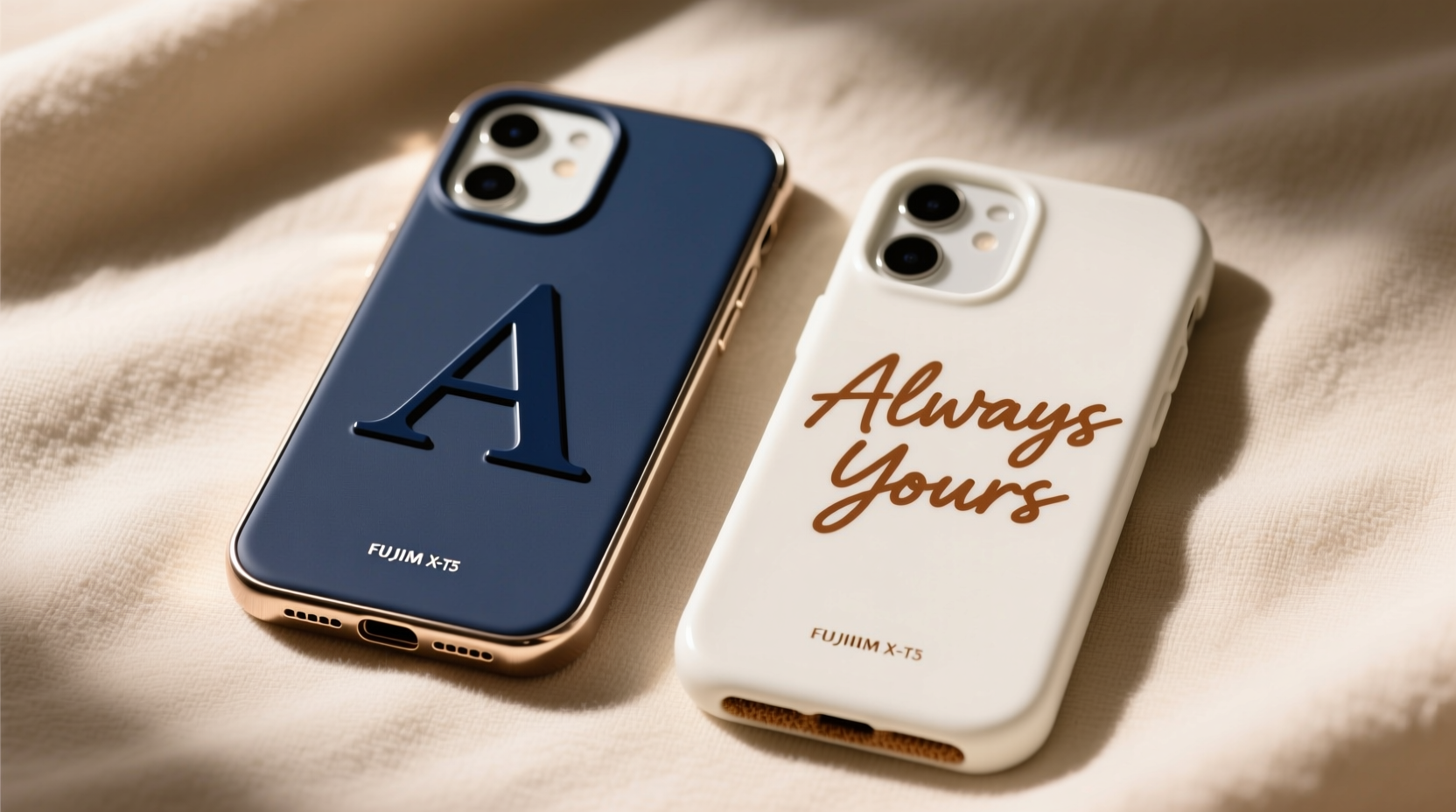
Personalized iPhone cases have surged in popularity over the past decade. What started as a niche market for luxury leather goods has expanded into mainstream customization across materials like silicone, TPU, and eco-friendly bioplastics. The driving force? A desire for uniqueness in an age of mass production.
According to a 2023 consumer trends report by TechStyle Insights, over 62% of smartphone users consider personalization a key factor when purchasing accessories. Of those, nearly half opt for some form of engraving or printed text. This shift reflects broader cultural movements toward self-expression and mindful consumption—people aren’t just buying products; they’re curating experiences.
“Personalization transforms a commodity into a keepsake. It’s no longer just protection—it’s identity.” — Lena Patel, Product Design Strategist at MobileAesthetics Lab
Monogram Cases: Elegance with Restraint
A monogram typically features one to three initials, often stylized in script or serif fonts. Traditionally associated with luxury goods—from linen to luggage—monograms convey sophistication and discretion. On an iPhone case, this subtlety can be a strength.
Monogrammed cases work well for professionals who want a polished look without drawing attention. They’re common among lawyers, executives, and academics who prefer understated branding. Because the design is minimal, it doesn’t compete with screen content or clash with clothing styles.
However, monograms come with limitations. They’re less distinctive in crowded environments. At a conference table or café, multiple people might have similar-looking “J.M.” initials on black cases, reducing their identifying power. And while elegant, they lack narrative depth—they don’t tell a story, just hint at one.
Custom Text Cases: Bold, Expressive, and Memorable
Custom text goes further. Whether it’s a full name, a motivational phrase (“Stay Curious”), a pet’s name, or a favorite lyric, text-based personalization turns your phone into a conversation starter. These cases are louder, bolder, and often more emotionally resonant.
They’re especially popular among creatives, students, and younger demographics. A survey conducted by CaseTrends.co found that 78% of users aged 18–29 preferred full-name or quote-based cases over monograms, citing authenticity as the primary reason.
The downside? Over time, lengthy text can feel cluttered or out of sync with changing tastes. That sarcastic quote from college might not land the same way five years later. Additionally, highly visible names raise minor privacy concerns—especially in public spaces or ride-shares where strangers can easily see your identity.
Comparing Longevity and Resale Value
One often-overlooked aspect is how personalization affects resale value. If you upgrade your iPhone every two years, does a customized case retain any worth?
| Feature | Monogram Case | Custom Text Case |
|---|---|---|
| Reusability | High – subtle enough for secondhand gifting | Low – highly personal, harder to resell or reuse |
| Durability of Design | High – engraved initials resist fading | Moderate – printed text may scratch or yellow |
| Timelessness | High – classic aesthetic endures trends | Variable – depends on message relevance |
| Social Recognition | Subtle – known to close circles | Immediate – recognizable even to strangers |
Engraved monograms on premium leather cases tend to age gracefully, much like a well-worn notebook or watch. In contrast, plastic cases with printed quotes may show wear faster, particularly around the edges where text is often placed.
Real-Life Scenario: Two Professionals, Two Choices
Consider Sarah and James, both marketing managers at competing firms. Sarah opts for a navy-blue case with her initials “S.L.K.” in silver foil stamping. It matches her professional wardrobe and blends seamlessly in meetings. Clients notice the polish but rarely comment—until one day, a colleague says, “I love how put-together your things always look.”
James chooses a transparent case with bold white lettering: “Ideas > Meetings.” It sparks conversations at networking events. People smile, quote it back to him, and remember his name. But during a job interview, a senior executive raises an eyebrow and asks, “Do you really believe that?”
Both outcomes are valid. Sarah’s choice reinforces professionalism; James’s invites engagement. Neither is objectively better—their effectiveness depends on context and intent.
How to Decide: A Practical Checklist
Still unsure which option suits you? Ask yourself these questions before ordering:
- Do I prioritize subtlety or self-expression?
- Will this case be used primarily in professional or casual settings?
- Am I likely to keep this phone (and case) for more than two years?
- Would I feel comfortable handing this phone to a stranger?
- Does the message reflect who I am now—and who I want to be in five years?
- Is the material durable enough to protect the text/monogram from wear?
Step-by-Step Guide to Choosing Your Personalized Case
- Define your purpose: Is this for daily use, gift-giving, or special occasions?
- Select your base case: Choose material (silicone, leather, rugged) based on lifestyle needs.
- Decide on visibility: Monogram for low-key elegance; full text for high-impact identity.
- Pick your message: Keep it meaningful and future-proof. Avoid slang or temporary references.
- Preview digitally: Use online configurators to see how fonts and placement look.
- Order a sample if possible: Some brands offer swatch kits with engraved samples.
- Evaluate after one week: Notice reactions, usability, and whether you still love it.
Frequently Asked Questions
Can I remove personalization if I change my mind?
Generally, no. Engraved or permanently printed designs cannot be undone. Removable stickers or decals are an alternative if you want flexibility, though they lack the premium feel.
Which lasts longer: engraved monograms or printed text?
Engraved or foil-stamped monograms on leather or metal inlays last significantly longer. Printed text on plastic can fade or peel within 12–18 months, especially with frequent handling.
Are monogram cases only for formal settings?
Not necessarily. While traditionally linked to formalwear, modern interpretations—like colored initials on pastel cases—work well in casual or creative environments. It’s about execution, not rules.
Final Thoughts: Is the Personal Touch Worth It?
The answer depends on what you value. If you seek quiet refinement and long-term usability, a monogram offers enduring class. If you want your personality front and center, custom text delivers unmatched expressiveness.
What both share is a fundamental benefit: they transform a generic object into something uniquely yours. In a sea of identical devices, that small detail can make your phone instantly recognizable—and emotionally significant.
Ultimately, the “worth” of personalization isn’t measured in cost or resale. It’s in the quiet satisfaction of pulling out a device that feels like an extension of yourself. Whether through a single initial or a bold declaration, that connection matters.




 浙公网安备
33010002000092号
浙公网安备
33010002000092号 浙B2-20120091-4
Comments
No comments yet. Why don't you start the discussion?