
In a world saturated with promotional items, keychains stand out as one of the most enduring—and often underestimated—marketing tools. They’re small, practical, and nearly everyone owns at least one. But when it comes to choosing between generic, off-the-shelf keychains and custom-branded versions, a critical question arises: Is the extra investment in customization truly justified? For businesses aiming to build brand recognition or individuals seeking meaningful gifts, the answer isn’t always straightforward. The decision hinges on purpose, audience, longevity, and perceived value.
The Functional Appeal of Keychains
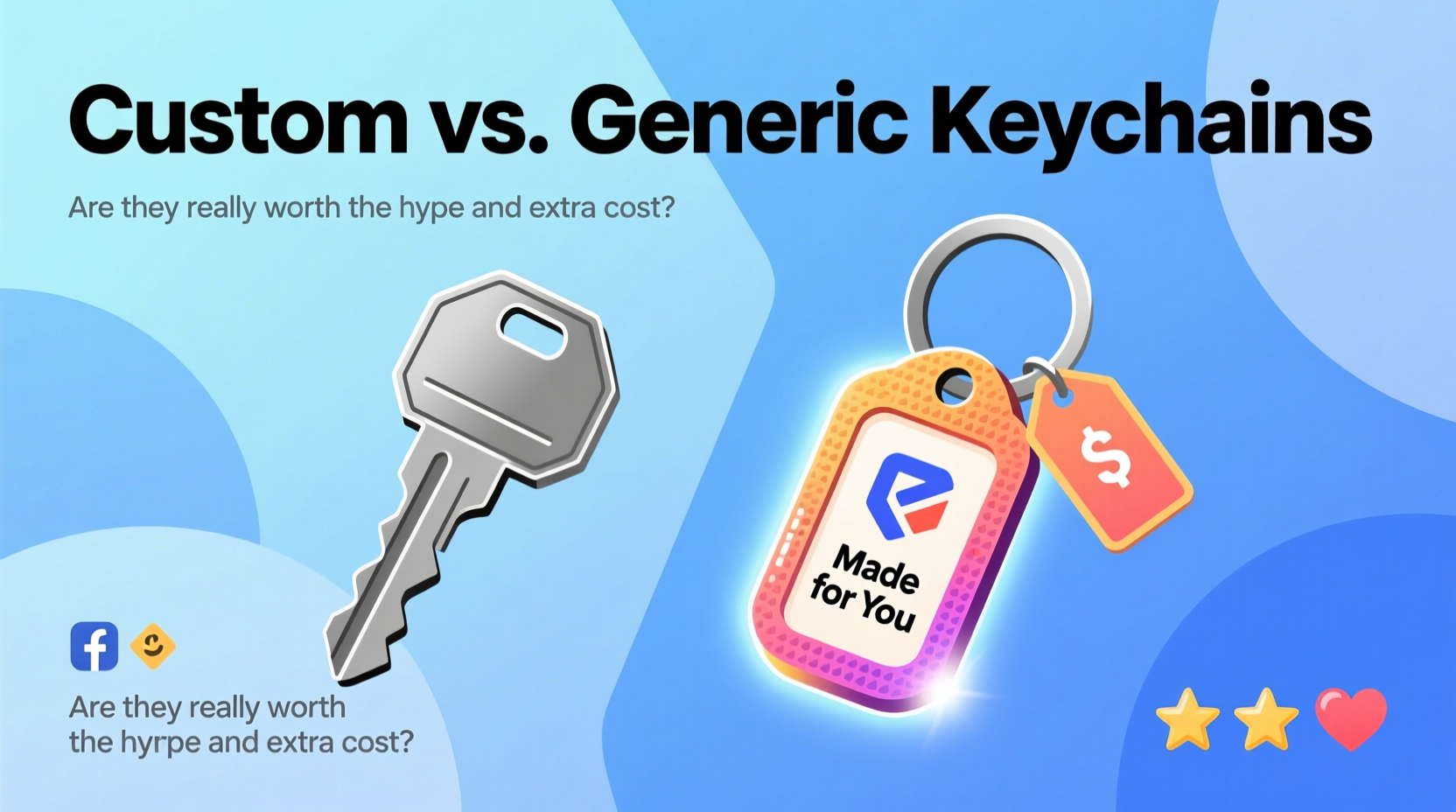
Keychains serve a dual role—they are both utilitarian objects and silent brand ambassadors. Unlike flyers or digital ads that are quickly discarded or scrolled past, a well-designed keychain travels with its owner daily. It’s clipped to bags, jingled in pockets, and used multiple times a day. This consistent visibility makes it a powerful touchpoint for branding or sentimental expression.
Generic keychains—typically mass-produced metal or plastic trinkets—are cheap and readily available. They may feature popular shapes like hearts, cars, or animals but lack personalization. Custom keychains, on the other hand, can include logos, names, slogans, or unique designs tailored to a specific brand or occasion.
Cost Breakdown: Upfront vs Long-Term Value
At first glance, generic keychains appear more economical. Bulk purchases from wholesalers can bring prices down to under $0.50 per unit. Custom options, depending on materials and complexity, may range from $1.50 to $5 or more per piece. However, evaluating value solely by unit cost overlooks long-term impact.
| Feature | Generic Keychains | Custom Branded Keychains |
|---|---|---|
| Unit Cost | $0.25 – $1.00 | $1.50 – $6.00 |
| Brand Visibility | None or minimal | High (logo, colors, message) |
| Lifespan | Short (low durability) | Long (premium materials) |
| Perceived Value | Low (seen as disposable) | High (feels intentional) |
| Use Case | Filler giveaways, party favors | Marketing, loyalty rewards, corporate gifts |
When Custom Keychains Deliver Real ROI
The return on investment (ROI) of branded keychains becomes evident in scenarios where brand recall and customer loyalty matter. A study by the Advertising Specialty Institute found that 82% of consumers remember the advertiser on a promotional product, and keychains rank among the top five most retained items.
Consider a local coffee shop offering a custom keychain with their logo and slogan (“Brewed with Love”) to customers who refer three friends. That keychain doesn’t just serve as a thank-you—it acts as a daily reminder. Every time the customer unlocks their car or opens their home, they see the brand. Over months or years, this repeated exposure reinforces top-of-mind awareness far more effectively than a one-time social media ad.
“Branded merchandise works because it integrates into people’s routines. A keychain isn’t just seen—it’s used.” — Laura Nguyen, Brand Strategist at Momentum Marketing Group
Real-World Example: Tech Startup Launch Campaign
A San Francisco-based SaaS startup launched with a limited marketing budget. Instead of spending heavily on digital ads, they invested $1,200 in 500 custom rubber keychains featuring their app icon and website URL. These were distributed at networking events, co-working spaces, and tech meetups.
Within six months, they tracked over 300 website visits directly attributed to the keychain campaign via UTM links. More importantly, several early adopters mentioned seeing the keychain on a friend’s bag and asking about the app. The physical presence sparked organic conversations—something digital banners couldn’t replicate. The startup estimated a customer acquisition cost (CAC) of $4 per lead, significantly lower than industry averages.
Design and Material Choices That Matter
Not all custom keychains are created equal. The perception of quality depends heavily on material, craftsmanship, and design coherence with the brand identity.
- Metal (Zinc Alloy, Stainless Steel): Durable and premium-feeling. Ideal for professional brands or luxury positioning.
- Soft PVC/Rubber: Versatile, colorful, and affordable. Great for playful or youth-oriented brands.
- Leather: Elegant and timeless. Suitable for high-end gifts or executive swag.
- Recycled Materials: Eco-conscious choice that aligns with sustainability messaging.
Poorly made custom keychains—such as those with blurry logos, flimsy attachments, or peeling finishes—can damage brand perception. Investing in quality production ensures the item is kept, not tossed.
Checklist: Choosing the Right Custom Keychain
- Define the goal: Brand awareness, customer retention, event giveaway?
- Identify your target audience: Age, lifestyle, values.
- Select materials that reflect brand quality and durability.
- Keep the design simple—focus on logo, name, or a short slogan.
- Order a sample before bulk production to test quality.
- Include a subtle call-to-action (e.g., website, QR code).
- Distribute strategically—at events, with purchases, or as loyalty rewards.
When Generic Keychains Make Sense
There are valid cases where generic keychains are the smarter choice. For instance, elementary schools hosting fun fairs may opt for cartoon-shaped keychains as low-cost prizes. Nonprofits distributing items at large-scale community events might prioritize quantity over branding to maximize reach.
However, even in these cases, a hybrid approach can be effective. A generic shape—like a star or animal—can still be enhanced with a small engraved tag or printed insert bearing the organization’s name. This balances affordability with identity.
FAQ: Common Questions About Branded Keychains
Do people actually keep and use custom keychains?
Yes—especially if they are durable and aesthetically pleasing. Research shows that 70% of recipients use promotional keychains regularly, and 63% keep them for over a year. The key is relevance and quality.
Can I reuse old keychains for new campaigns?
Generally not recommended. Outdated logos or expired offers can confuse customers and weaken brand credibility. If reusing, ensure branding is neutral or timeless.
How do I measure the success of a keychain campaign?
Track unique URLs, QR codes, or promo codes printed on the keychain. Monitor referral traffic, redemption rates, or conduct post-campaign surveys asking how customers heard about you.
Conclusion: Beyond the Hype—Making an Informed Choice
The hype around branded keychains isn’t unfounded—but it’s not universally applicable either. The true value lies not in the item itself, but in how thoughtfully it’s designed and deployed. Generic keychains have their place in high-volume, low-stakes environments. But when the goal is lasting impression, emotional connection, or sustained brand visibility, custom keychains consistently outperform their generic counterparts.
The extra cost pays dividends in customer memory, trust, and word-of-mouth potential. Whether you're a small business building community loyalty or an individual seeking a personalized gift, investing in a well-crafted, meaningful keychain transforms a simple object into a story carrier—one that opens doors, literally and figuratively.




 浙公网安备
33010002000092号
浙公网安备
33010002000092号 浙B2-20120091-4
Comments
No comments yet. Why don't you start the discussion?