
Seeing dark green vomit can be alarming. While occasional nausea and vomiting are common, the color of what you expel can provide important clues about your health. Dark green vomit often points to bile—a digestive fluid produced by the liver and stored in the gallbladder. Understanding why bile appears in vomit, what conditions may cause it, and when it signals a serious problem is essential for timely intervention.
Bile helps break down fats during digestion and normally moves from the gallbladder into the small intestine. When it shows up in vomit, it typically means stomach contents have been fully expelled, and the vomiting reflex has reached deeper into the gastrointestinal tract. However, persistent or severe cases require careful evaluation.
What Causes Dark Green Vomit?
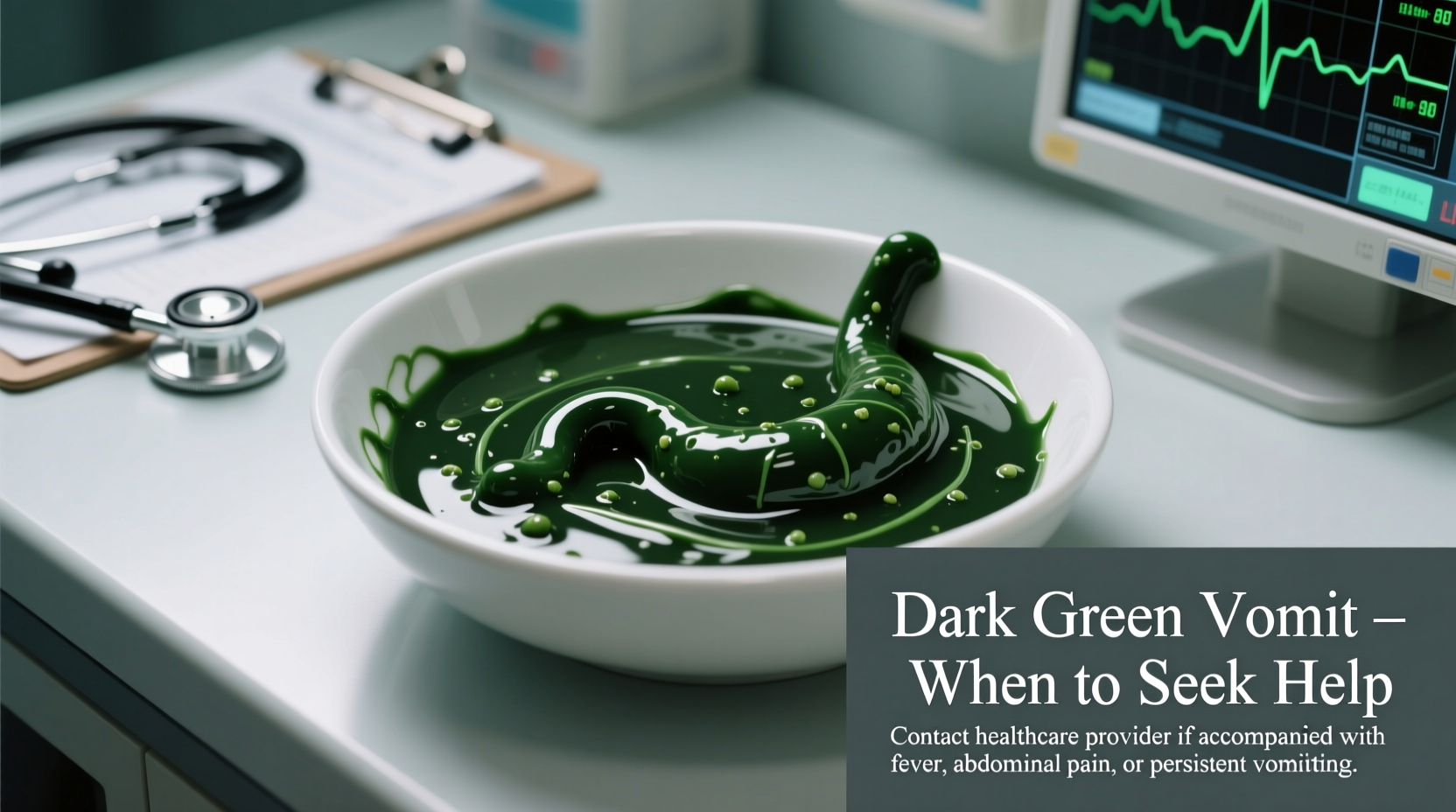
The most common reason for dark green vomit is the presence of bile. Bile ranges in color from yellowish-green to deep olive green, and when regurgitated, it can appear as dark green fluid. This usually happens under specific physiological or pathological conditions.
- Fasting or prolonged vomiting: After emptying the stomach of food and fluids, continued vomiting may bring up bile from the duodenum.
- Gastroenteritis: Viral or bacterial infections that inflame the stomach and intestines can trigger intense vomiting, leading to bile release.
- Bile reflux: Unlike acid reflux, bile can flow backward from the small intestine into the stomach and esophagus, especially after gastric surgery.
- Intestinal obstruction: A blockage in the small intestine—due to adhesions, hernias, tumors, or volvulus—can trap bile and force it back up through the digestive tract.
- Pyloric stenosis (in infants): Thickening of the muscle at the stomach’s exit prevents food from moving forward, causing forceful projectile vomiting that may contain bile.
- Post-surgical complications: Abdominal surgeries, particularly those involving the stomach or intestines, can disrupt normal motility and lead to bile vomiting.
When Is Dark Green Vomit a Medical Emergency?
Not all instances of green vomit require emergency care, but certain signs indicate a potentially life-threatening condition. Bile in vomit becomes concerning when accompanied by other red-flag symptoms.
“Persistent green vomiting, especially with abdominal distension and pain, should never be ignored. It could signal a bowel obstruction requiring immediate imaging.” — Dr. Lena Patel, Gastroenterologist
Symptoms That Require Immediate Medical Attention
| Symptom | Potential Cause | Action Required |
|---|---|---|
| Severe abdominal pain and bloating | Intestinal blockage | Seek ER care immediately |
| Inability to pass gas or have a bowel movement | Complete bowel obstruction | Emergency evaluation needed |
| Vomiting blood or coffee-ground-like material | Gastrointestinal bleeding | Call emergency services |
| Fever over 101°F (38.3°C) | Infection or perforation | Urgent medical assessment |
| Signs of dehydration (dry mouth, dizziness, low urine output) | Excessive fluid loss | IV fluids may be necessary |
Common Misconceptions About Green Vomit
Many people assume green vomit always means food poisoning or that it's harmless if they feel otherwise fine. These assumptions can delay proper diagnosis.
- Misconception: \"Green vomit just means I ate something green.\"
Reality: Dietary pigments rarely turn vomit dark green. Leafy greens might tint vomit slightly, but deep green or brownish-green strongly suggests bile. - Misconception: \"If I’m not in pain, it’s not serious.\"
Reality: Some obstructions progress gradually. Pain may not be immediate, but the risk of tissue damage increases over time. - Misconception: \"Once I stop vomiting, I’m fine.\"
Reality: Recurrence or inability to tolerate liquids hours later still warrants medical review.
Step-by-Step Guide: What to Do If You Vomit Dark Green Fluid
- Stop eating and drinking temporarily. Give your stomach a 30–60 minute rest after vomiting.
- Sip small amounts of clear fluids. Water, oral rehydration solutions, or weak tea can help prevent dehydration.
- Monitor symptoms every hour. Note frequency of vomiting, presence of pain, fever, or changes in alertness.
- Avoid anti-nausea medications without diagnosis. Suppressing vomiting in cases of obstruction can worsen outcomes.
- Seek medical evaluation if:
- Vomiting continues beyond 12 hours
- You cannot keep even sips down
- Abdominal swelling or tenderness develops
- You experience rapid heart rate or lightheadedness
Mini Case Study: Delayed Diagnosis of Intestinal Obstruction
Mark, a 54-year-old man with a history of abdominal surgery, began experiencing intermittent nausea and dark green vomiting. He assumed it was a stomach bug and waited two days before seeking care. By then, he had developed severe cramping, distended abdomen, and no bowel movements. A CT scan revealed a small bowel obstruction caused by post-surgical adhesions. He required emergency surgery to relieve the blockage.
This case highlights how early recognition of bile vomiting combined with other obstructive symptoms could have led to faster treatment and avoided complications.
Prevention and Risk Reduction Strategies
While not all causes of dark green vomit are preventable, certain lifestyle and medical practices reduce risk:
- Stay hydrated during illness to support gut function.
- Treat gastroenteritis early with electrolyte replacement.
- Follow up regularly if you have chronic GI conditions like Crohn’s disease or previous obstructions.
- Avoid excessive alcohol use, which can contribute to gastritis and delayed gastric emptying.
FAQ
Is dark green vomit always a sign of bile?
Most often, yes. True dark green or olive-colored vomit typically contains bile. Bright green might occasionally come from food coloring, but deep green strongly indicates biliary involvement.
Can children vomit bile? When should parents worry?
Yes, children can vomit bile. In infants, bile-stained vomiting is always considered an emergency until proven otherwise—it may indicate malrotation with volvulus, a surgical emergency. Older children should be evaluated if vomiting persists beyond 24 hours or is associated with pain, fever, or dehydration.
Does dark green vomit mean I have an infection?
Not necessarily. While infections like gastroenteritis can cause bile vomiting due to prolonged nausea, the color itself doesn’t confirm infection. Other symptoms like diarrhea, fever, and exposure history are more telling.
Checklist: When to Seek Help for Green Vomit
- ✅ Vomiting lasts more than 12 hours
- ✅ Abdominal pain or swelling present
- ✅ No bowel movement or gas passed in over 24 hours
- ✅ Signs of dehydration (sunken eyes, dry skin, reduced urination)
- ✅ History of abdominal surgery or hernia
- ✅ Fever above 100.4°F (38°C)
- ✅ Vomit contains blood or looks like coffee grounds
Conclusion
Dark green vomit is more than a strange color—it’s a physiological signal. While sometimes benign, such as after a night of heavy drinking or during recovery from a virus, it can also herald serious underlying issues like intestinal blockage or bile reflux. Recognizing when this symptom crosses the line from inconvenient to dangerous is crucial. Your body is communicating; listen carefully. If in doubt, consult a healthcare provider promptly. Early action can prevent complications and ensure a quicker recovery.




 浙公网安备
33010002000092号
浙公网安备
33010002000092号 浙B2-20120091-4
Comments
No comments yet. Why don't you start the discussion?