
When it comes to foundational spices in American pantries, few brands carry the quiet authority of Davis Mustard Seed. Found in nearly every supermarket aisle from coast to coast, Davis has become synonymous with reliability and consistency. But beyond its familiar yellow packaging lies a product with nuanced culinary potential—used not just as a condiment base but as a dynamic ingredient in pickling, spice blends, marinades, and global cuisines. Understanding Davis Mustard Seed means going beyond the jar: it’s about recognizing how a standardized commercial product fits into both everyday cooking and elevated technique. Whether you're brining vegetables, building a dry rub, or tempering seeds in oil for Indian-inspired dishes, knowing the flavor, form, and function of Davis Mustard Seed unlocks greater control in the kitchen.
Definition & Overview
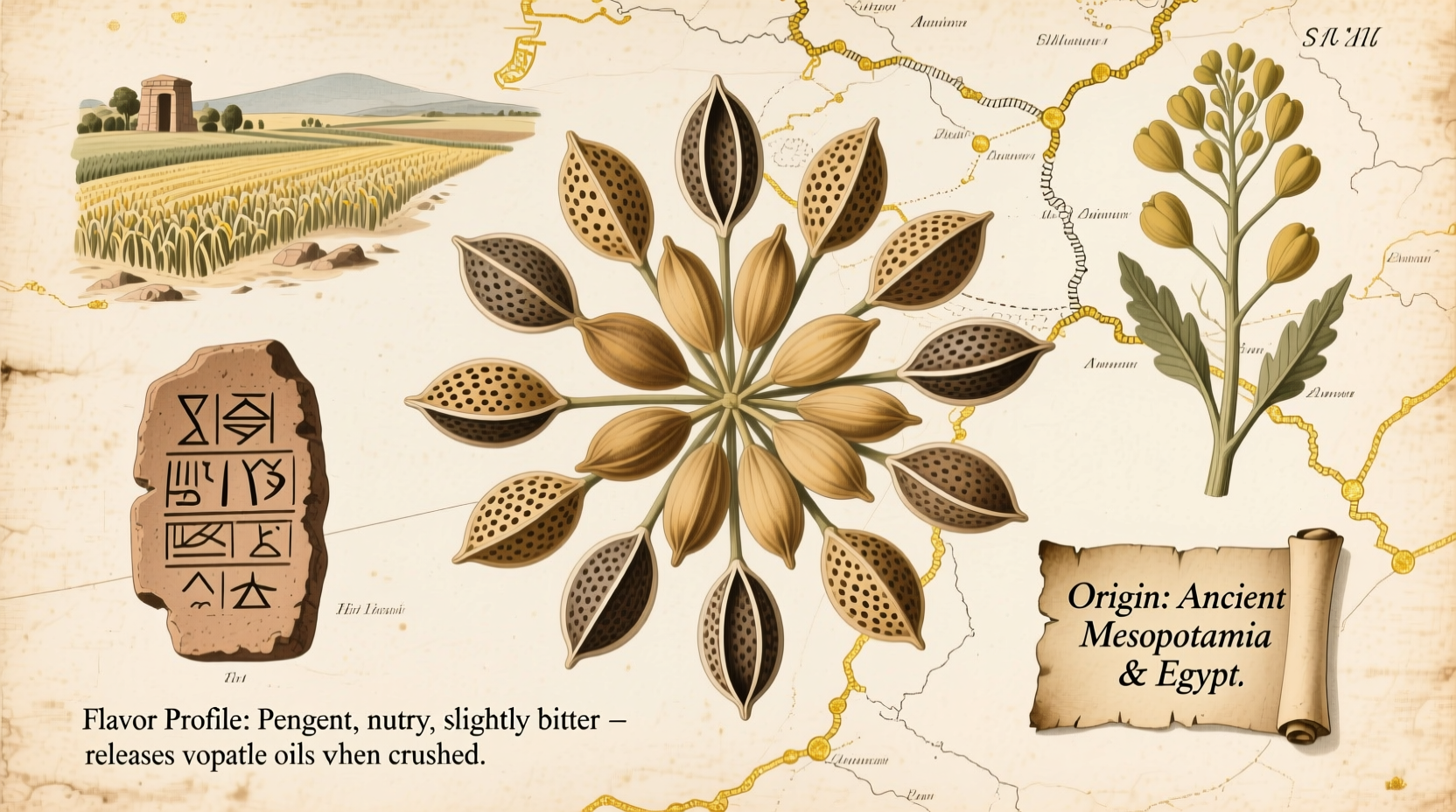
Davis Mustard Seed refers to a commercially packaged product made from whole, unprocessed mustard seeds—typically yellow (or white) mustard seeds (Brassica hirta), though some blends may include brown or black varieties. Marketed primarily in the United States, Davis is a brand under the Durkee family of seasonings, known for producing pantry staples with consistent quality and wide availability. While \"Davis Mustard Seed\" isn't a unique botanical variety, it represents a standardized form of seed that meets specific size, purity, and moisture criteria for shelf stability and performance in both home and light commercial use.
The seeds themselves are small, spherical, and range in color from pale yellow to golden tan. When raw, they have a mild, nutty aroma with minimal heat. Their true character emerges when exposed to liquid, particularly acidic or enzymatic mediums like vinegar, wine, or water, which activate myrosinase—an enzyme that breaks down glucosinolates into pungent allyl isothiocyanates, the compounds responsible for mustard’s signature bite. This delayed reaction makes mustard seed an ideal candidate for controlled flavor development in preserved foods and cooked preparations.
Davis Mustard Seed is most commonly used in its whole form, though it can be coarsely cracked or finely ground depending on application. Unlike prepared mustards, which vary widely by region and recipe, whole seeds offer cooks a blank canvas—one where temperature, liquid type, and timing dictate the final sensory outcome.
Key Characteristics
| Attribute | Description |
|---|---|
| Flavor Profile (Raw) | Mildly nutty, earthy, faintly bitter; little to no heat when dry. |
| Aroma | Subtle, grain-like with hints of toasted sesame or sunflower seed. |
| Color & Form | Small spherical seeds, 1–2 mm diameter, pale yellow to golden beige. |
| Heat Level (Activated) | Medium pungency when combined with cold liquids; milder when heated. |
| Culinary Function | Flavor base, textural element, preservative agent, emulsifier precursor. |
| Shelf Life | 2–3 years when stored in a cool, dark, dry place; longer if vacuum-sealed. |
| Solubility | Insoluble in water; requires grinding or enzymatic activation for full flavor release. |
Practical Usage: How to Use Davis Mustard Seed in Cooking
The versatility of Davis Mustard Seed lies in its dual role—as a whole spice and as a precursor to prepared mustard. Its applications span multiple culinary traditions, each leveraging different aspects of its chemical behavior.
Pickling and Preserving
One of the most common uses of Davis Mustard Seed is in homemade pickles, relishes, and chutneys. Whole seeds add visual texture and a subtle background warmth without overwhelming acidity. In hot-pack canning methods, seeds are layered into jars before pouring hot brine over cucumbers or vegetables. The combination of vinegar, salt, and heat gently activates the seeds’ pungency, contributing depth rather than sharpness.
Example Recipe Application: For a classic dill pickle brine, combine 1 tablespoon Davis Mustard Seed per quart jar with dill heads, garlic cloves, and peppercorns. Pour boiling vinegar-water-salt solution (typically 50/50) over ingredients and process. The seeds will plump slightly during processing and develop a tender crunch.
Dry Rubs and Marinades
Crushed or coarsely ground Davis Mustard Seed enhances meat rubs, especially for pork, lamb, and game birds. When mixed with brown sugar, smoked paprika, garlic powder, and salt, the seeds contribute both flavor and a slight binding effect due to mucilage released upon hydration. This helps the rub adhere better during searing or slow roasting.
To maximize impact, lightly toast seeds in a dry skillet over medium heat until fragrant (about 2–3 minutes), then crush using a mortar and pestle or spice grinder. Combine at a ratio of 2 parts mustard seed to 1 part sugar and 1 part salt for a balanced barbecue-style rub.
Tempering in Oils (Tadka Method)
In Indian and Southeast Asian cooking, whole mustard seeds are often “tempered”—heated in oil or ghee until they pop, releasing volatile aromatics. Davis Mustard Seed performs reliably here, despite being predominantly yellow mustard (which pops less vigorously than brown). Heat neutral oil (like canola or grapeseed) in a small pan, add 1 teaspoon seeds, and cover briefly. Once popping slows, immediately pour the infused oil over dal, steamed vegetables, or yogurt-based dishes for instant umami lift.
Pro Tip: Always use low to medium heat when tempering mustard seeds. High heat burns them quickly, creating acrid notes. And never leave the pan unattended—seeds can go from aromatic to scorched in seconds.
Homemade Mustard Preparation
Davis Mustard Seed is ideal for crafting custom mustards. Because the seeds are clean, uniform, and free of additives, they hydrate evenly. Start by soaking equal parts seeds in liquid (water, beer, wine, cider vinegar) for 8–12 hours to soften. Then blend with additional acid, sweetener, and spices to desired consistency.
For a smooth Dijon-style mustard: soak ½ cup Davis Mustard Seed in ¾ cup dry white wine and ¼ cup vinegar overnight. Blend with 1 tsp salt, ½ tsp turmeric, and 1 tbsp honey. Adjust thickness with more liquid. Let rest 24 hours before use—the flavor will deepen significantly.
Variants & Types
While Davis primarily markets **whole yellow mustard seed**, understanding the broader spectrum of mustard seed types clarifies when and why substitutions matter. Below is a breakdown of available forms and their best uses.
- Whole Yellow Mustard Seed – The standard Davis offering. Mild heat, bright color, excellent for pickling and tempering. Retains shape well in liquids.
- Brown Mustard Seed (Brassica juncea) – Not typically sold under Davis label but available in specialty stores. More pungent, used in spicy brown mustards and Indian cooking. Pops more dramatically when tempered.
- Black Mustard Seed (Brassica nigra) – Rare in mainstream U.S. retail. Intensely aromatic and hotter than yellow or brown. Common in South Indian and Ethiopian cuisine.
- Cracked or Coarse Mustard Seed – Mechanically broken seeds; faster flavor release. Ideal for rubs or quick infusions.
- Mustard Seed Flour – Finely ground, de-oiled seed. Used in commercial mustard production and baking (e.g., pretzels). Not interchangeable with whole seeds.
| Type | Best Use Case | Substitution Note |
|---|---|---|
| Whole Yellow (Davis) | Pickling, mild mustards, general-purpose | Can substitute brown seed 1:1 but expect more heat |
| Brown Mustard Seed | Spicy mustards, sauerkraut, Indian tadka | More pungent; reduce quantity by 25% if substituting for yellow |
| Black Mustard Seed | Traditional curries, fermented pickles | Strongest aroma; not recommended for beginners |
| Cracked Mustard Seed | Rubs, marinades, quick brines | Loses potency faster; use within 6 months |
Comparison with Similar Ingredients
Mustard seed is often confused with other small, round seeds or prepared condiments. Clarifying these distinctions prevents misuse in recipes.
- Poppy Seeds – Often mistaken visually due to similar size and color. However, poppy seeds are nuttier and lack any pungency. They do not reactivate enzymes when wet and are used primarily in baking, not preserving.
- Prepared Mustard (Yellow, Dijon, etc.) – Already hydrated and processed. Contains vinegar, salt, and sometimes sweeteners. One tablespoon of prepared mustard does not equal one tablespoon of whole seeds. For substitution: 1 tbsp prepared mustard ≈ 1 tsp ground mustard + 2 tsp liquid.
- Horseradish or Wasabi – Share the pungent, nasal-clearing quality when fresh, but these are root vegetables, not seeds. Their heat dissipates faster and is chemically distinct (isothiocyanates from different precursors).
- Fennel or Caraway Seeds – Sometimes used alongside mustard in rye bread or sauerkraut. These impart licorice-like notes rather than heat and should not be substituted directly.
“Many home cooks overlook whole mustard seed because it looks inert. But it’s one of the most responsive spices we have—its flavor bends entirely to your method. Cold soak? Sharp and biting. Heated in oil? Deep, rounded, almost meaty.” — Claire Matthews, Culinary Instructor, Institute of Artisanal Ferments
Practical Tips & FAQs
Does Davis Mustard Seed go bad?
Not in the traditional sense, but it loses potency over time. Whole seeds retain viability for 2–3 years if kept away from moisture and light. Check freshness by crushing a few between fingers—if aroma is faint or musty, replace. Never store in humid environments like above the stove.
Can I grind Davis Mustard Seed at home?
Yes. Use a dedicated coffee grinder or mortar and pestle. For best results, toast lightly first to enhance aroma, then grind to desired consistency. Grind only what you need—exposed surface area accelerates oxidation and flavor loss.
Is Davis Mustard Seed gluten-free?
Yes. Pure mustard seed contains no gluten. Davis labels confirm this, making it safe for celiac diets. However, always verify packaging if allergies are a concern, as cross-contamination can occur in shared facilities.
Why doesn’t my homemade mustard taste like store-bought?
Commercial mustards often include preservatives, stabilizers (like xanthan gum), and precise pH balancing. They also use a mix of seed types and aging processes. To mimic store flavor, try adding a pinch of citric acid or a splash of beer for complexity. Aging your mustard 3–5 days in the fridge improves cohesion and smoothness.
What’s the difference between “white” and “yellow” mustard seed?
None—they refer to the same variety (Brassica hirta). “White” is the botanical term; “yellow” is the culinary one, describing its appearance in prepared form.
Can I use Davis Mustard Seed in sourdough or bread baking?
Absolutely. Incorporate 1–2 teaspoons per loaf into rye, pumpernickel, or seeded sandwich breads. Soak briefly in the dough liquid to prevent excessive bitterness. Adds both flavor and microbial resistance due to natural glucosinolates.
Storage Checklist:
✔ Store in airtight glass or metal container
✔ Keep in a cool, dark cupboard (not near oven)
✔ Label with purchase date
✔ Avoid refrigeration (condensation causes clumping)
✔ Do not freeze unless long-term (>3 years)
Summary & Key Takeaways
Davis Mustard Seed is far more than a pickling staple—it's a versatile, chemically active ingredient that responds dynamically to preparation methods. As whole yellow mustard seed, it offers mild heat, long shelf life, and broad compatibility across cuisines. Its value lies not in intensity but in reliability, making it a trusted choice for both novice and experienced cooks.
Key points to remember:
- Davis Mustard Seed is primarily Brassica hirta, known for mild flavor and high consistency.
- Flavor develops through hydration—cold liquids increase pungency; heat reduces it.
- Essential in pickling, tempering, dry rubs, and homemade mustard production.
- Differentiates clearly from poppy seeds, prepared mustards, and aromatic seeds like fennel.
- Store properly to maintain potency for up to three years.
- Toast and grind fresh for maximum impact in spice blends and marinades.
Whether you're fermenting vegetables, crafting a signature sauce, or exploring global techniques, Davis Mustard Seed serves as a bridge between convenience and craftsmanship. It proves that even the most accessible pantry item can yield sophisticated results—with nothing more than attention, timing, and understanding.
Next time you reach for the yellow jar, consider: Are you using it just to pickle—or are you unlocking its full potential?




 浙公网安备
33010002000092号
浙公网安备
33010002000092号 浙B2-20120091-4
Comments
No comments yet. Why don't you start the discussion?