
Receiving a medical or laboratory report can feel like being handed a document in a foreign language. Numbers, abbreviations, reference ranges, and unfamiliar terms often leave patients confused and anxious. Yet, these reports hold vital information about your health—information that becomes powerful when you know how to interpret it. Understanding your test results doesn’t mean diagnosing yourself, but it does empower you to ask better questions, engage meaningfully with your healthcare provider, and track your progress over time.
Why Understanding Your Lab Reports Matters
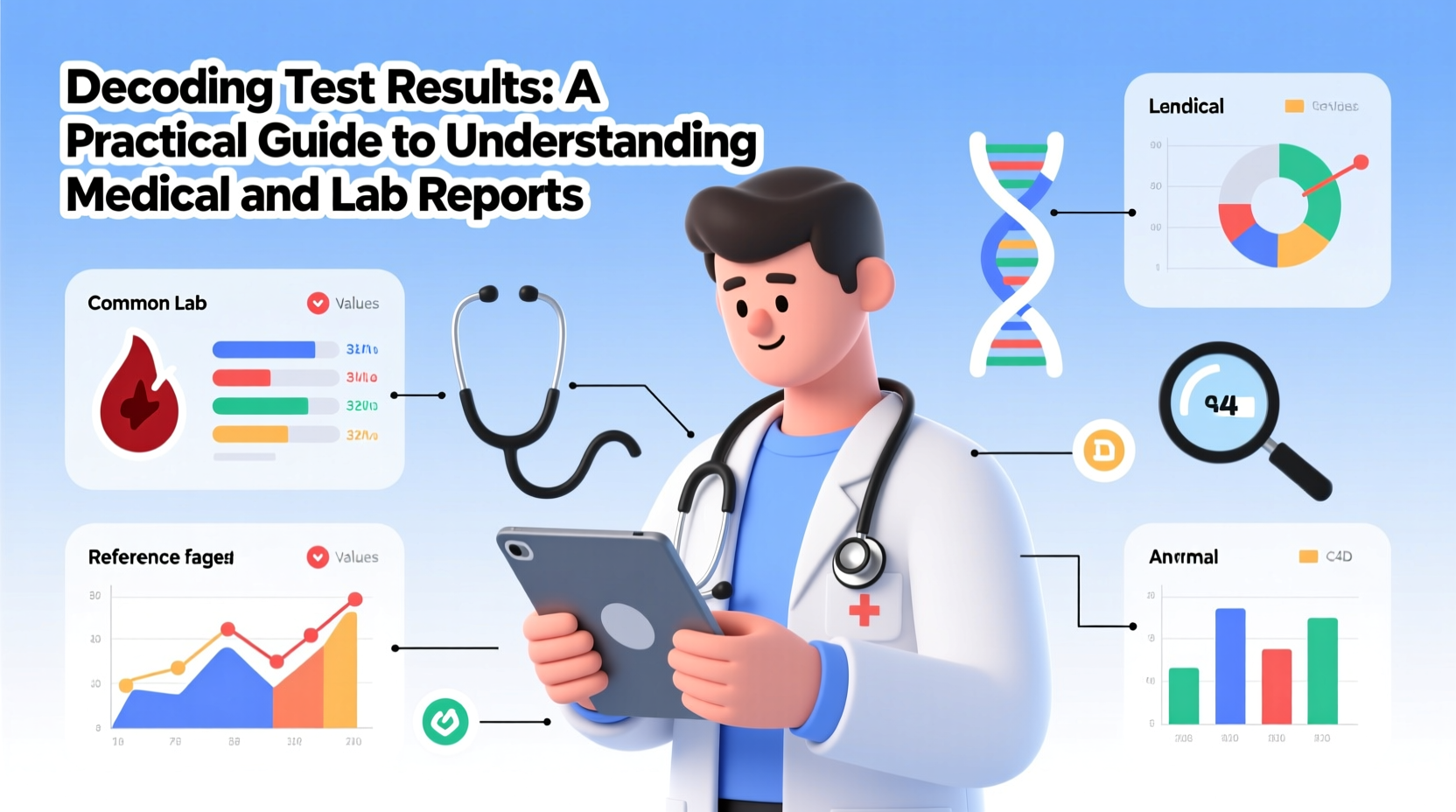
Lab tests are a cornerstone of modern medicine. From routine check-ups to monitoring chronic conditions, they provide objective data on what’s happening inside your body. However, many people never see their full reports or receive only a verbal summary. This lack of access or understanding can lead to missed opportunities for early intervention, confusion about treatment plans, or unnecessary worry.
When you understand your results, you become an active participant in your care. You can notice trends—like gradually rising cholesterol or fluctuating blood sugar—and discuss them before they become serious issues. You also reduce the risk of miscommunication, especially when seeing multiple specialists or managing long-term conditions like diabetes, thyroid disorders, or kidney disease.
Breaking Down the Structure of a Typical Lab Report
Most lab reports follow a standard format, though layout varies by institution. Familiarizing yourself with common components helps demystify the document:
- Patient Information: Name, date of birth, ID number, and collection date.
- Test Name: The official name of the test (e.g., “Hemoglobin A1c” or “TSH”).
- Result: Your measured value.
- Reference Range: The normal range used by the lab, which may vary based on age, sex, and methodology.
- Units: The measurement system (e.g., mg/dL, mmol/L, IU/mL).
- Status Indicators: Arrows (↑ or ↓) or flags (H/L) showing values outside the reference range.
It’s important to remember that “normal” is not always “optimal.” Some labs use broad reference ranges based on population averages, which may include unhealthy individuals. For example, a TSH result at the high end of normal might still indicate subclinical hypothyroidism in someone with fatigue and weight gain.
“Patients who review their own labs tend to be more engaged and compliant with treatment. Transparency builds trust.” — Dr. Lena Patel, Internal Medicine Physician
Interpreting Common Blood Tests: What the Numbers Mean
Below is a simplified table of frequently ordered blood tests, typical reference ranges, and what deviations may suggest. Note: Always consult your physician for clinical interpretation.
| Test | Normal Range | Potential Meaning of High Result | Potential Meaning of Low Result |
|---|---|---|---|
| Hemoglobin (Hb) | 12–16 g/dL (women), 13.5–17.5 g/dL (men) | Dehydration, lung disease, polycythemia | Anemia, blood loss, nutritional deficiency |
| Fasting Glucose | 70–99 mg/dL | Prediabetes (100–125), Diabetes (≥126) | Hypoglycemia, liver disease, insulin overuse |
| TSH (Thyroid-Stimulating Hormone) | 0.4–4.0 mIU/L | Hypothyroidism (if symptomatic) | Hyperthyroidism, overmedication |
| Total Cholesterol | Desirable: <200 mg/dL | Increased cardiovascular risk | Malnutrition, hyperthyroidism, liver issues |
| Creatinine | 0.6–1.2 mg/dL | Kidney dysfunction, dehydration | Muscle wasting, low protein intake |
No single number tells the whole story. Results must be interpreted in context—with symptoms, medical history, medications, and other test results. For instance, elevated liver enzymes could stem from alcohol use, medication side effects, or fatty liver disease. Only a clinician can weigh all factors appropriately.
A Step-by-Step Guide to Reviewing Your Report
Follow this process to make sense of your next lab report without feeling overwhelmed:
- Gather all documents: Collect the lab report, any notes from your doctor, and previous results for comparison.
- Check patient details: Confirm your name, DOB, and test date are correct to avoid mix-ups.
- Identify flagged results: Look for arrows, H/L markers, or bolded values indicating outliers.
- Compare to reference ranges: Note whether your result falls within the lab’s defined normal limits.
- Look for trends: Compare current values with past results. Is a slightly high cholesterol now significantly higher than last year?
- Research responsibly: Use trusted sources (e.g., Mayo Clinic, CDC, NIH) to understand what a test measures—not to self-diagnose.
- Prepare questions: Write down concerns to discuss with your provider, such as “Why is my vitamin D low despite supplementation?”
Real Example: Interpreting a Cholesterol Panel
Sarah, a 48-year-old woman, received her annual lipid panel. Her total cholesterol was 210 mg/dL (slightly high), LDL (“bad” cholesterol) was 135 mg/dL, HDL (“good” cholesterol) was 55 mg/dL, and triglycerides were 100 mg/dL. At first glance, she worried about heart disease risk.
Her doctor explained that while LDL was above optimal (<100 mg/dL), her HDL was strong and triglycerides were excellent. With no family history of heart disease and healthy blood pressure, Sarah didn’t need medication. Instead, her doctor recommended dietary changes—reducing saturated fats and increasing fiber—and a repeat test in six months.
This case illustrates why context matters. A mildly elevated number isn’t automatically dangerous, and lifestyle adjustments can often correct imbalances before they escalate.
Common Pitfalls to Avoid
Even well-intentioned efforts to understand lab results can go astray. Watch out for these common mistakes:
- Overreacting to minor deviations: Labs have natural variability. One high result may not reflect a real problem.
- Relying solely on online calculators: While helpful, they don’t replace clinical judgment.
- Ignoring pre-test instructions: Fasting status, hydration, and recent exercise affect results (e.g., glucose, triglycerides).
- Comparing results across different labs: Reference ranges and testing methods vary. Track trends using the same lab when possible.
Frequently Asked Questions
What should I do if a result is outside the normal range?
Don’t assume the worst. Many factors influence results. Discuss the finding with your doctor, who may recommend repeating the test, adjusting medications, or investigating further.
Can normal results still miss a disease?
Yes. No test is perfect. Some conditions don’t show up in blood work until later stages. Symptoms matter just as much as numbers.
How often should I get lab tests?
Frequency depends on age, health status, and risk factors. Most adults benefit from annual screening. Those with chronic conditions may need quarterly or biannual monitoring.
Action Plan: How to Take Control of Your Lab Health
Understanding medical reports is a skill that grows with practice. Start small—focus on one test at a time. Build a personal health file where you store copies of all reports. Over time, you’ll notice patterns and gain confidence in conversations with your care team.
Remember: Knowledge is not a substitute for professional care, but it is a bridge to better outcomes. When you understand your body’s signals, you’re better equipped to maintain wellness and catch problems early.




 浙公网安备
33010002000092号
浙公网安备
33010002000092号 浙B2-20120091-4
Comments
No comments yet. Why don't you start the discussion?