
Sweat stains on memory foam pillows are more common than most people admit. Over time, nightly use leads to the accumulation of oils, dead skin cells, and moisture that seep into the foam’s open-cell structure. Unlike traditional pillows, memory foam can’t be tossed in the washing machine, making stain removal a delicate process. Left untreated, these stains not only discolor your pillow but also create a breeding ground for odor-causing bacteria and allergens. Fortunately, with the right techniques, you can deeply clean your memory foam pillow, lift stubborn sweat stains, and extend its usable life by years.
Why Sweat Stains Form on Memory Foam Pillows
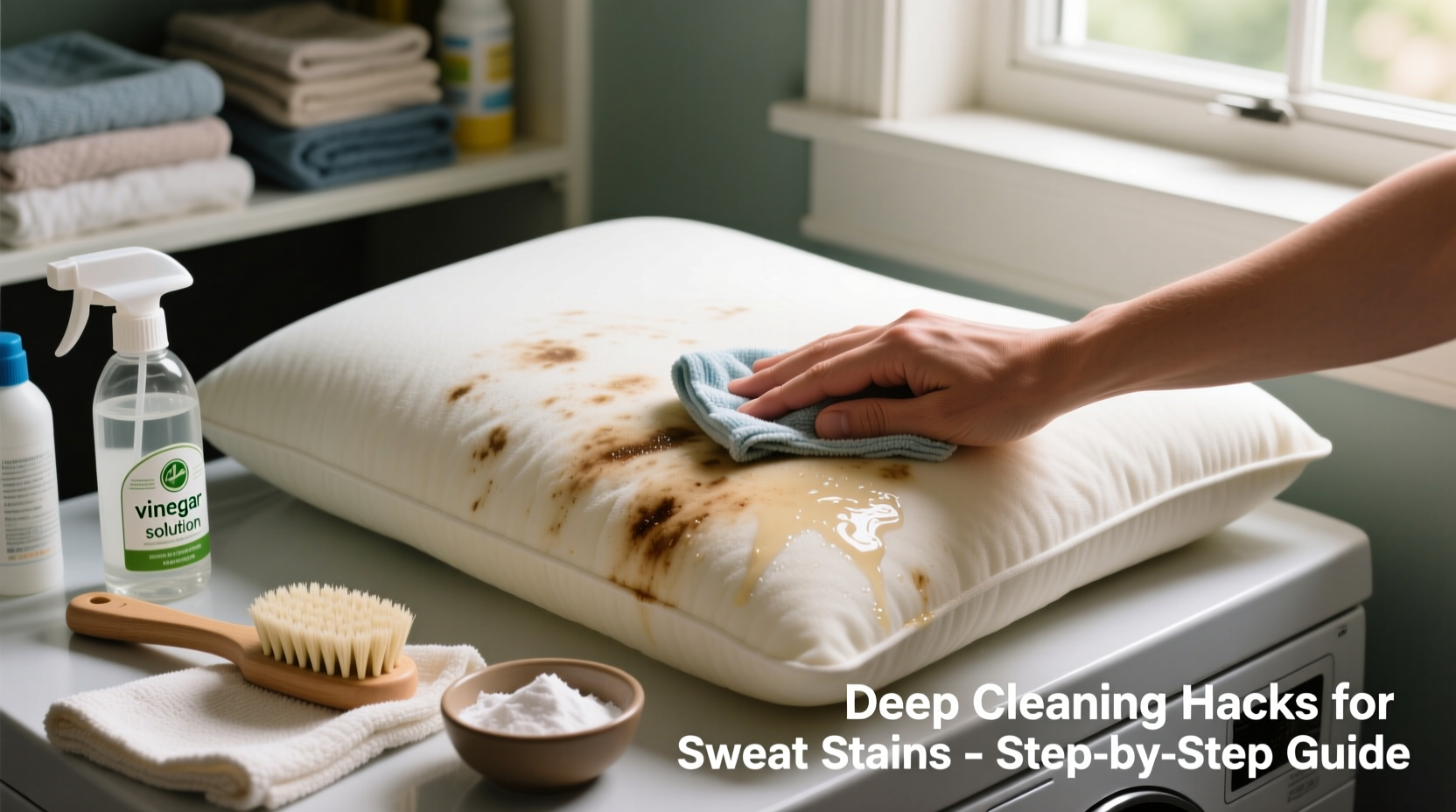
Memory foam is designed to contour to your head and neck, offering support by responding to body heat and pressure. This sensitivity to temperature means it readily absorbs warmth—and along with it, perspiration. Even if you don’t feel like you sweat heavily at night, everyone releases moisture during sleep. This moisture carries natural body oils, salts, and amino acids that penetrate the foam’s porous surface.
Over weeks and months, these residues oxidize and bind with the polyurethane material, leading to yellow or brownish discoloration—commonly mistaken as “dirt” but actually a chemical reaction within the foam. The longer they remain, the harder they are to remove. Additionally, trapped moisture encourages mold spores and dust mites, which compromise both hygiene and respiratory health.
“Sweat isn’t just water—it’s a mix of urea, lactic acid, and fatty acids that degrade foam integrity over time. Regular maintenance is non-negotiable for long-term pillow health.” — Dr. Lena Peterson, Textile Chemist & Sleep Product Consultant
Step-by-Step Guide: Deep Cleaning Your Memory Foam Pillow
Cleaning memory foam requires patience and precision. Aggressive scrubbing or soaking can ruin the foam’s density and support. Follow this timeline-based method to safely eliminate sweat stains without damaging your pillow.
- Remove the Cover (if applicable): Most memory foam pillows come with removable or washable covers. Take it off and launder according to the manufacturer’s instructions—usually cold water, gentle cycle, and air dry.
- Vacuum the Surface: Use a handheld vacuum with a soft brush attachment to remove surface dust, hair, and debris. Pay attention to seams and crevices where particles accumulate.
- Spot-Treat Stained Areas: Mix 1 tablespoon dish soap (ammonia-free), 1 tablespoon hydrogen peroxide (3%), and 1 cup cool water. Dip a clean microfiber cloth into the solution, wring thoroughly, and gently dab the stained zones. Never pour liquid directly onto the foam.
- Apply Baking Soda Paste for Odor & Residue: For deeper deodorizing, make a paste of baking soda and a few drops of water. Apply thinly to affected areas using a sponge. Let sit for 30–60 minutes to draw out oils and neutralize smells.
- Dab with Damp Cloth: Using another clean, barely damp microfiber cloth, lightly wipe away the cleaning solution and paste. Avoid saturating the foam—memory foam retains water like a sponge, and excess moisture causes mildew.
- Air Dry Completely: Place the pillow in a well-ventilated area, ideally near a fan or open window. Rotate every few hours to ensure even drying. Do not use direct sunlight or heating devices—UV rays and heat break down foam polymers. Total drying time: 8–24 hours depending on humidity.
- Final Deodorizing Sprinkle: Once fully dry, sprinkle a light layer of baking soda over the entire surface. Let sit for 15 minutes, then vacuum again. This removes any residual odors and leaves the pillow smelling fresh.
Alternative Cleaning Methods & When to Use Them
Not all sweat stains respond to the same treatment. Depending on severity and frequency of use, consider these alternative approaches:
- Vinegar Solution (for mild stains): Combine equal parts white vinegar and water. Spray lightly on discolored areas and blot with a towel. Vinegar dissolves mineral deposits in sweat and kills 90% of bacteria and mold.
- Enzyme Cleaner (for chronic odors): Pet-safe enzyme sprays (like those used for urine stains) break down organic compounds in sweat. Spray on, cover with plastic wrap for 30 minutes, then wipe and dry thoroughly.
- Steam Cleaning (surface-only): Use a garment steamer held 6 inches from the surface to sanitize without wetting the core. Do not use a steam cleaner with extraction functions—these inject too much moisture.
For pillows older than two years or those with deep-set black spots (possible mold), deep cleaning may not suffice. In such cases, replacement is safer than risking respiratory irritation.
Do’s and Don’ts of Memory Foam Pillow Care
| Do’s | Don’ts |
|---|---|
| Use a hypoallergenic pillow protector to block sweat and oils | Soak the foam in water or run it under a tap |
| Rotate and flip the pillow weekly for even wear | Expose to direct sunlight or radiators for drying |
| Clean every 3–6 months, or immediately after illness | Use bleach, ammonia, or strong solvents |
| Vacuum monthly to reduce dust buildup | Machine wash or dry the foam core |
| Store in a breathable cotton bag when not in use | Stack heavy items on top of the pillow |
Mini Case Study: Reviving a Two-Year-Old Pillow
Sarah, a side sleeper from Portland, noticed her memory foam pillow had developed a persistent yellow center and an odd sour smell after summer nights. She’d avoided washing it, fearing damage. After researching safe methods, she followed the hydrogen peroxide-dish soap treatment, applying it in two sessions over a weekend due to high humidity.
She began by vacuuming both sides, then applied the cleaning solution with a corner of a microfiber cloth, focusing on circular motions to lift residue without tearing fibers. After blotting and air drying near a ceiling fan, she repeated the process three days later for lingering odor. On day five, she finished with a baking soda treatment.
The result? A visibly lighter surface, no detectable smell, and restored softness. Sarah now uses a waterproof pillow protector and schedules cleanings every four months. Her pillow, originally slated for replacement, has regained functionality and comfort.
Checklist: Deep Cleaning Memory Foam Pillows Safely
✔ Before You Begin:
- Check manufacturer guidelines for cleaning restrictions
- Gather supplies: microfiber cloths, dish soap, hydrogen peroxide, baking soda, spray bottle, vacuum
- Choose a dry, ventilated space with 8+ hours for drying
✔ During Cleaning:
- Remove and wash the pillowcase
- Vacuum surface thoroughly
- Spot-treat stains with minimal moisture
- Avoid aggressive rubbing or soaking
✔ After Cleaning:
- Dry completely before use—test by pressing; no dampness should remain
- Reapply baking soda for final deodorizing
- Store properly or reinstall with a fresh protector
Frequently Asked Questions
Can I use OxiClean on memory foam pillows?
No. While OxiClean is effective on fabrics, it contains sodium percarbonate that breaks down into hydrogen peroxide and soda ash. In concentrated form or with improper rinsing, it can degrade foam structure and leave irritants. Stick to diluted, tested solutions instead.
How often should I deep clean my memory foam pillow?
Every 3 to 6 months is ideal for regular users. If you live in a hot climate, sweat heavily, or have allergies, clean every 3 months. Immediate cleaning is recommended after illness, spills, or noticeable odor.
Will cleaning remove all yellow stains?
Fresh stains typically lift well, but years-old discoloration may only fade partially. Yellowing is often permanent oxidation. However, thorough cleaning still improves hygiene and smell, even if visual results aren't perfect.
Expert Tips for Long-Term Pillow Maintenance
Prevention is far more effective than restoration. Integrating simple habits into your routine dramatically reduces the need for intensive cleaning.
- Use a multi-layer barrier: Combine a waterproof liner with a breathable cotton pillowcase. This dual protection blocks moisture while allowing airflow.
- Aerate weekly: Remove the pillow from the bed and stand it upright against a wall for a few hours. This helps evaporate trapped moisture and prevents compaction.
- Replace protectors regularly: Wash pillow protectors every 2–4 weeks. Over time, they lose their absorbency and protective qualities.
- Monitor pillow lifespan: Most memory foam pillows last 18–36 months. Signs of failure include permanent indentations, crumbling foam, or inability to rebound within 30 seconds after compression.
Conclusion: Reclaim Comfort and Cleanliness
Your pillow is one of the most intimate pieces of bedding you own, in constant contact with your skin and respiratory system. Sweat stains aren’t just unsightly—they signal a buildup of contaminants that affect sleep quality and health. With careful, informed cleaning, you can restore your memory foam pillow to a fresher, cleaner state without compromising its structural integrity.
These deep cleaning hacks are more than quick fixes—they’re part of a broader commitment to bedroom hygiene. By combining spot treatments, preventive barriers, and regular maintenance, you protect your investment and enhance your nightly rest. Don’t wait until stains set in or odors linger. Take action today: gather your supplies, follow the steps, and breathe easier knowing your pillow is truly clean.




 浙公网安备
33010002000092号
浙公网安备
33010002000092号 浙B2-20120091-4
Comments
No comments yet. Why don't you start the discussion?