
Iced out jewelry—pieces fully encrusted with stones—has become a cultural staple in fashion and hip-hop aesthetics. At the heart of many affordable luxury designs is cubic zirconia (CZ), a lab-created gemstone that mimics the brilliance of diamonds. While high-quality CZ can look stunning, the market is flooded with imitations, from glass substitutes to low-grade synthetics. Knowing how to distinguish genuine cubic zirconia from fakes ensures you get value, durability, and authenticity in your collection.
Understanding Cubic Zirconia: What It Is and Why It Matters
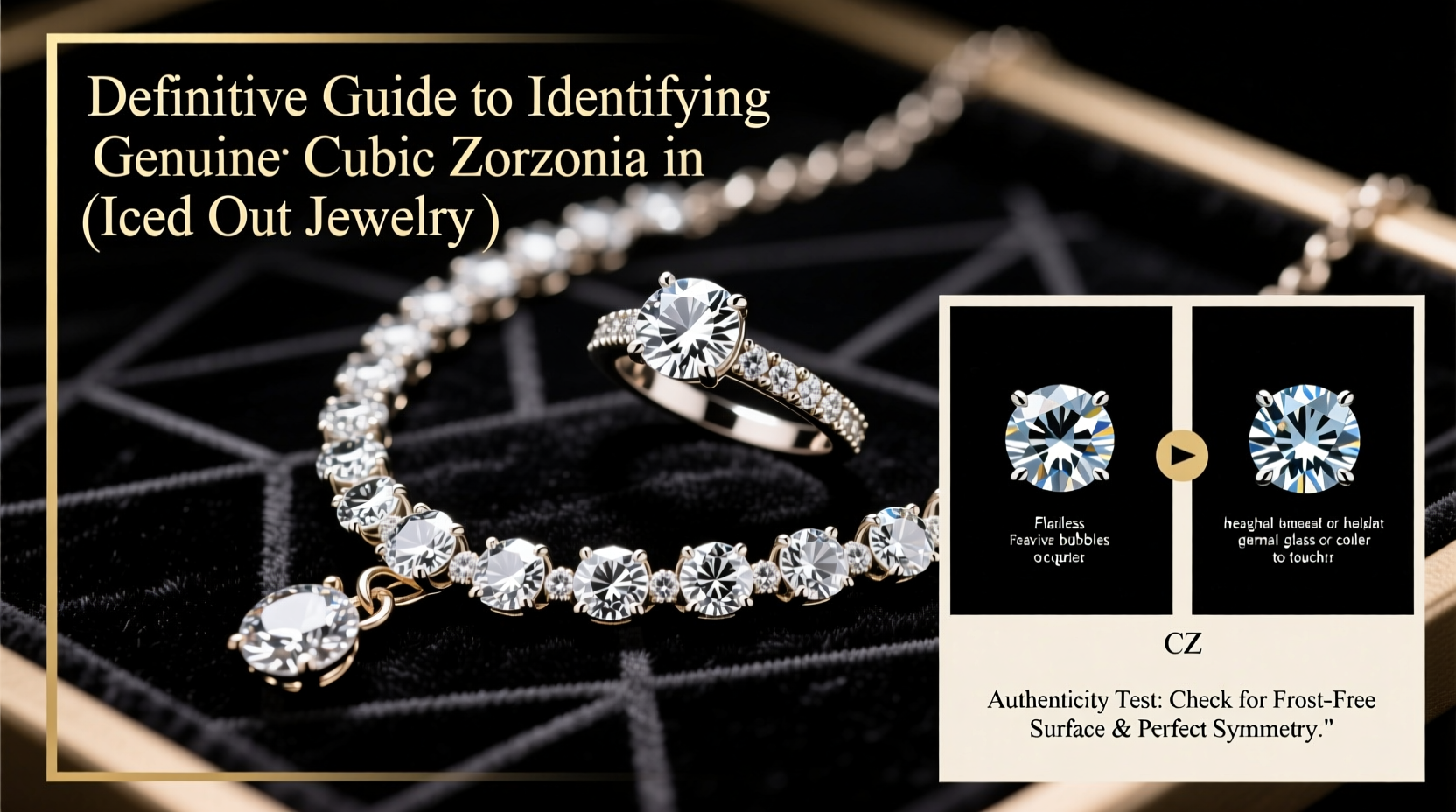
Cubic zirconia is a crystalline form of zirconium dioxide, engineered to replicate the optical and physical properties of diamonds. Unlike natural diamonds formed over millions of years, CZ is manufactured under controlled conditions, making it more affordable while still offering high refractive index, fire, and clarity. In iced out jewelry, where hundreds or even thousands of stones are set into rings, chains, or watches, the quality of each stone directly affects the overall appearance and longevity.
Genuine CZ is hard (8–8.5 on the Mohs scale), resistant to scratching, and maintains its luster over time. Counterfeit versions—often made of plastic, glass, or poorly cut synthetic materials—cloud over, chip easily, and lack the depth of sparkle. The difference isn’t always obvious at first glance, but with the right knowledge, you can spot fakes before they cost you money or reputation.
“Not all shiny stones are created equal. A well-informed buyer can tell the difference between premium cubic zirconia and cheap filler just by observing light performance and setting precision.” — Lena Torres, Gemologist & Jewelry Authenticator
Key Visual Indicators of Genuine Cubic Zirconia
The human eye, when trained, is a powerful tool for detecting authenticity. Here are the primary visual cues to assess:
- Brilliance and Fire: Genuine CZ disperses light into colorful flashes (fire) and returns white light (brilliance). If the stones appear dull, overly reflective like mirrors, or emit rainbow flashes only at extreme angles, they may be glass or resin.
- Clarity: High-grade CZ is nearly flawless. Look through the stone with a jeweler’s loupe or magnifying glass. Bubbles, streaks, or internal cracks indicate poor manufacturing or non-CZ materials.
- Cut Precision: Authentic CZ is precisely faceted. Each facet should align cleanly with adjacent ones. Uneven edges, misaligned symmetry, or rounded corners suggest low-cost molding rather than precision cutting.
- Color Consistency: In a well-made iced out piece, all stones should match in color grade—typically colorless (D-F range equivalent). Yellowish, grayish, or inconsistent tones signal inferior quality.
Step-by-Step Guide to Testing Cubic Zirconia at Home
You don’t need a laboratory to conduct basic authenticity checks. Follow this five-step process to evaluate your iced out jewelry:
- Perform the Fog Test: Breathe on the stone to fog it. Genuine CZ will clear within 1–2 seconds due to its high thermal conductivity. Glass or plastic will stay fogged longer (3+ seconds).
- Check Weight: CZ is denser than glass or crystal. A lightweight piece may use cheaper materials. Compare it to a known CZ item of similar size.
- Inspect the Setting: Real CZ is usually set in sterling silver, stainless steel, or gold-plated brass with secure prongs or bezels. Flimsy metal, glue residue around stones, or uneven settings suggest mass-produced fakes.
- Use a UV Light: Some CZ stones exhibit slight blue fluorescence under UV light. While not definitive, consistent glow across multiple stones supports authenticity. No reaction doesn’t mean fake—many CZ types don’t fluoresce.
- Conduct a Scratch Test (with caution): CZ can scratch glass. Gently drag a stone across an unglazed ceramic tile or mirror. If it leaves a mark, it’s likely harder than glass—which supports CZ. Never do this on valuable pieces, as it may damage settings.
Comparison Table: Genuine CZ vs. Common Imitations
| Feature | Genuine Cubic Zirconia | Glass Imitation | Plastic/Resin |
|---|---|---|---|
| Hardness (Mohs) | 8–8.5 | 5–6 | 2–3 |
| Thermal Conductivity | High (fog clears fast) | Low (fog lingers) | Very low |
| Weight | Heavier for size | Moderate | Very light |
| Facet Sharpness | Precise, sharp edges | Rounded, soft edges | Blurred, molded look |
| Durability | Scratch-resistant, long-lasting | Scratches easily | Clouds and yellows over time |
Real Example: How One Buyer Avoided a $1,200 Scam
A collector in Atlanta purchased what was advertised as a “premium iced out Cuban link with triple-stone CZ” from an online marketplace. Upon delivery, he noticed the chain felt unusually light. Using a 10x loupe, he saw air bubbles trapped beneath several stones—impossible in true CZ, which is solid. He performed the fog test: the stones stayed fogged for over four seconds. He contacted the seller, who refused a return. After filing a dispute, the platform refunded him. Later, a local jeweler confirmed the stones were low-grade glass. This case underscores why hands-on verification matters—even with detailed product photos.
Expert Checklist: Verify Your Iced Out Jewelry Before Purchase
Before buying or selling high-end CZ jewelry, go through this checklist:
- ✅ Confirm the base metal stamp (e.g., “925” for sterling silver, “316L” for surgical steel)
- ✅ Inspect stone alignment—genuine CZ is uniformly set with no gaps
- ✅ Use a loupe to check for internal flaws like bubbles or cracks
- ✅ Perform the fog test and compare weight to authentic references
- ✅ Ask for certification if purchasing high-value items (some brands provide QC reports)
- ✅ Buy from reputable vendors with return policies and customer reviews
Frequently Asked Questions
Can cubic zirconia pass a diamond tester?
No—traditional diamond testers measure thermal conductivity, and CZ conducts heat differently than diamond. However, newer multi-testers can distinguish between the two. Most CZ will register as “not diamond” on standard devices.
Do genuine CZ stones fall out easily?
Not if properly set. High-quality iced out jewelry uses micro-pave or channel settings secured with durable metal. Stones falling out frequently indicate poor craftsmanship or adhesive-based mounting, common in counterfeit goods.
How long does cubic zirconia last in daily wear?
With proper care, CZ jewelry can retain brilliance for 3–5 years of regular use. Exposure to lotions, chlorine, and abrasives accelerates clouding. Cleaning monthly with mild soap and storing separately extends lifespan.
Final Thoughts: Confidence Starts with Knowledge
Owning iced out jewelry shouldn’t mean gambling on authenticity. Genuine cubic zirconia offers an accessible way to enjoy radiant, high-end looks without the diamond price tag—but only if you know how to verify what you’re getting. From visual inspection to simple home tests, the tools are within reach. Whether you're building a personal collection, gifting a statement piece, or investing in self-expression, taking a few extra moments to verify quality pays off in pride, durability, and value.




 浙公网安备
33010002000092号
浙公网安备
33010002000092号 浙B2-20120091-4
Comments
No comments yet. Why don't you start the discussion?