
Mahi mahi is a firm, mild-flavored fish that holds up beautifully to grilling, baking, and pan-searing. Its slightly sweet taste and meaty texture make it ideal for weeknight dinners or elegant meals alike. When prepared well, mahi mahi turns golden on the outside, stays moist within, and pairs effortlessly with fresh herbs, citrus, and tropical flavors. This guide delivers a fail-safe method for cooking perfect mahi mahi every time—plus tips, variations, and expert-backed techniques to elevate your seafood game.
Why Mahi Mahi Stands Out Among Seafood Choices
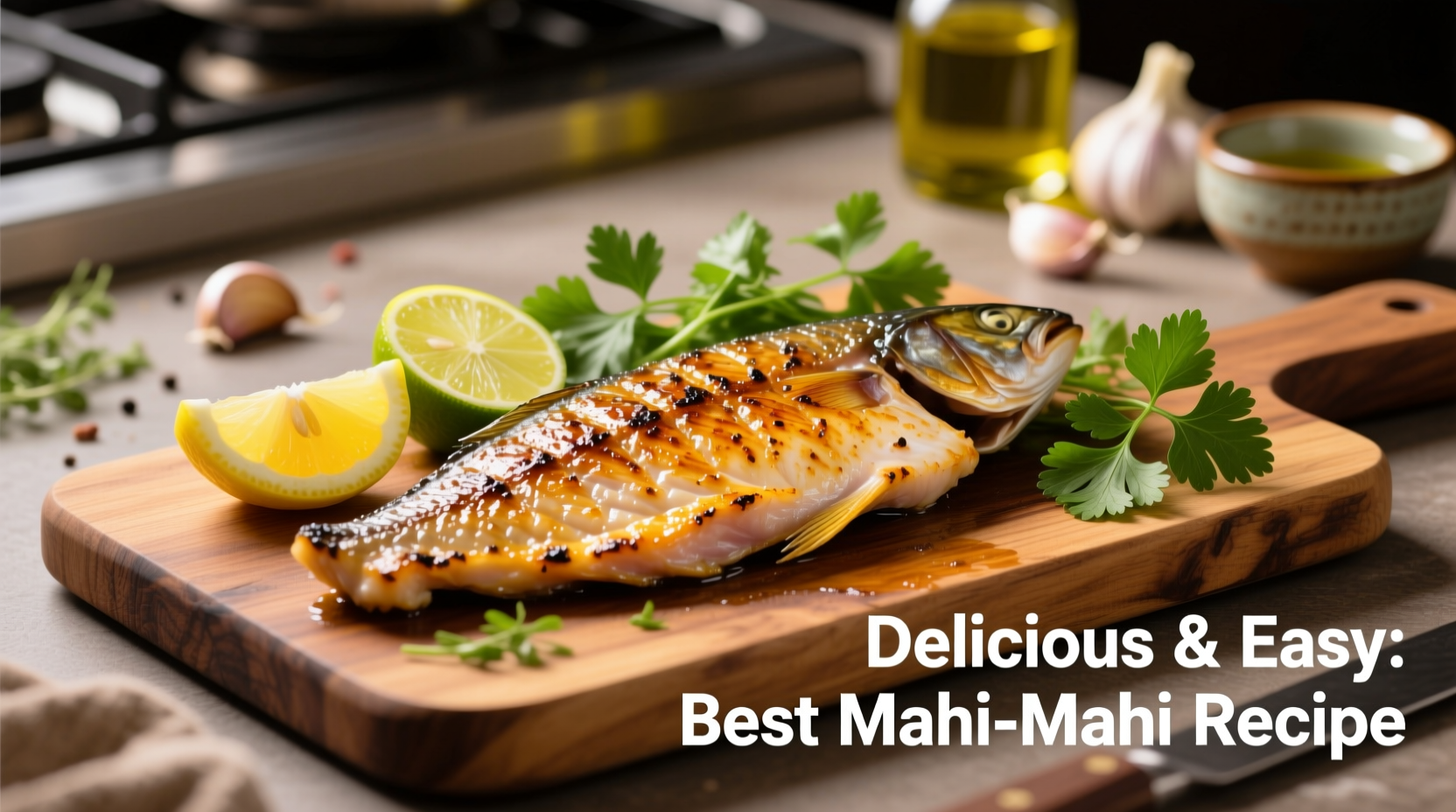
Native to warm offshore waters, mahi mahi (also known as dolphinfish or dorado) is prized for its versatility and sustainability when sourced responsibly. Unlike delicate white fish such as cod or sole, mahi mahi has a denser flesh that won’t fall apart during high-heat cooking. It absorbs marinades well, responds beautifully to seasoning, and works across cuisines—from Caribbean jerk rubs to Mediterranean herb crusts.
Nutritionally, mahi mahi is low in fat, high in protein, and rich in selenium and niacin. A 6-ounce serving provides around 35 grams of protein with just 140 calories. Its clean flavor makes it accessible even to those who claim they don’t like fish.
Step-by-Step Guide to Perfect Pan-Seared Mahi Mahi
This method yields a crisp exterior and tender, flaky interior in under 20 minutes. Ideal for busy evenings when you want something healthy and satisfying without sacrificing flavor.
- Pat the fillets dry with paper towels. Moisture is the enemy of searing—dry fish ensures a golden crust.
- Season both sides generously with salt, freshly ground black pepper, garlic powder, and smoked paprika.
- Heat a skillet over medium-high heat and add one tablespoon of avocado oil or clarified butter.
- Place fillets skin-side down (if skin-on) or presentation-side down. Press gently for 10 seconds to ensure even contact.
- Sear undisturbed for 4–5 minutes until the bottom develops a deep golden-brown crust.
- Flip carefully using a thin spatula and cook another 3–4 minutes, depending on thickness.
- Finish with a squeeze of fresh lime juice and a sprinkle of chopped cilantro.
- Rest for 2 minutes before serving to allow juices to redistribute.
The internal temperature should reach 135°F (57°C); residual heat will bring it to the FDA-recommended 145°F (63°C).
Flavor Variations and Pairing Ideas
One of the strengths of mahi mahi is its adaptability. Below are three globally inspired variations that transform the same base technique into distinct dishes.
| Cuisine Style | Seasoning & Marinade | Serving Suggestion |
|---|---|---|
| Caribbean | Jerk seasoning, lime juice, allspice, thyme, scallions | Over coconut rice with grilled pineapple salsa |
| Mediterranean | Lemon zest, oregano, garlic, olive oil, capers | With roasted cherry tomatoes and quinoa |
| Asian-Inspired | Ginger, soy sauce, sesame oil, brown sugar, green onions | Served over jasmine rice with stir-fried bok choy |
“Mahi mahi’s neutral profile lets bold spices shine without overpowering the fish. It’s a chef’s canvas.” — Chef Rafael Torres, Executive Seafood Chef at Ocean & Vine
Common Mistakes That Ruin Mahi Mahi (And How to Avoid Them)
Even simple recipes can go wrong if key details are overlooked. Here’s what to watch out for:
- Overcooking: Mahi mahi dries out quickly past 145°F. Use a thermometer and remove it from heat just before it reaches target temp.
- Skipping the sear: A rushed or cool pan leads to steamed, not seared, fish. Wait for the oil to shimmer before adding fillets.
- Using frozen fish without thawing: If using frozen, thaw overnight in the fridge. Cooking from frozen causes uneven texture.
- Marinating too long: Acidic ingredients like lime or vinegar can start to “cook” the fish, making edges chalky. Limit marination to 30 minutes.
- Ignoring resting time: Cutting immediately releases juices. Let it rest two minutes for maximum moisture retention.
Baking vs. Grilling vs. Pan-Searing: Which Method Wins?
Different cooking methods yield different textures and convenience levels. Choose based on your tools and desired outcome.
| Method | Best For | Pros | Cons |
|---|---|---|---|
| Pan-Searing | Weeknight dinners, crispy skin lovers | Fast, creates flavorful crust, minimal cleanup | Requires attention; risk of sticking if pan isn’t hot enough |
| Grilling | Summer meals, smoky flavor fans | Adds char and depth; great for outdoor cooking | Fish can stick to grates; needs careful flipping |
| Baking | Meal prep, hands-off cooking | Even cooking, easy to scale for groups | Less browning; can dry out if not monitored |
To grill successfully, brush fillets with oil and use a preheated grill with clean grates. Consider a fish basket or foil liner for easier handling. For baking, wrap fillets in parchment with lemon slices and herbs (en papillote) to lock in moisture.
Real Example: How Sarah Made Mahi Mahi Her Go-To Weeknight Dish
Sarah, a working mom of two in Austin, used to avoid cooking fish because her family complained it “tasted fishy” or was “too dry.” After trying this pan-seared mahi mahi recipe with a citrus-herb topping, everything changed. She preps the seasoning blend on Sundays and stores it in a jar. During the week, she cooks the fish while her kids do homework, then serves it with microwaved brown rice and frozen mango-cucumber salad.
“It takes 15 minutes, costs less than $4 per serving, and my picky eater asks for seconds,” she says. “I finally feel like I’m giving them real nutrition without stress.”
Essential Checklist for Cooking Mahi Mahi Like a Pro
- ☐ Buy fresh or properly thawed fillets (firm, no odor)
- ☐ Pat fish completely dry before seasoning
- ☐ Preheat pan until oil shimmers
- ☐ Season generously but simply (salt, pepper, one or two accent spices)
- ☐ Sear without moving for first 4–5 minutes
- ☐ Use a thermometer to check doneness (135°F off heat)
- ☐ Rest before serving
- ☐ Finish with acid (lemon/lime) and fresh herbs
Frequently Asked Questions
Can I use frozen mahi mahi?
Yes, but thaw it slowly in the refrigerator overnight. Never cook frozen fillets directly—they’ll release too much water and steam instead of searing.
How do I know when mahi mahi is done?
The flesh should be opaque and flake easily with a fork. For precision, use an instant-read thermometer: remove from heat at 135°F; carryover cooking will finish it to 145°F.
What sides pair best with mahi mahi?
Light, bright sides work best. Try mango avocado salad, cilantro-lime rice, grilled zucchini, or a crisp slaw. Avoid heavy cream sauces that overpower the fish.
Final Thoughts: Make Mahi Mahi a Staple in Your Kitchen
Cooking excellent mahi mahi doesn’t require advanced skills—just attention to detail and respect for the ingredient. Whether you’re feeding a family, impressing guests, or enjoying a solo dinner, this fish delivers consistent results when handled right. The recipe outlined here is adaptable, nutritious, and fast, making it a smart addition to any meal rotation.




 浙公网安备
33010002000092号
浙公网安备
33010002000092号 浙B2-20120091-4
Comments
No comments yet. Why don't you start the discussion?